

What to Do With a Car After Someone Has Died: UK Guide
The process starts by confirming who has legal authority, notifying the DVLA and checking insurance. This guide breaks down each stage so you can manage the sale or transfer of an inherited car with confidence.
Sorting out a car after someone dies can feel daunting, especially when emotions are running high. In the UK, there are set steps to follow, from legal paperwork to sorting insurance and valuing the car for probate or sale. This guide covers who can sell the car, how to notify the DVLA, insurance, valuation methods, and your options for keeping, selling or scrapping an inherited vehicle, along with practical checklists.
Dealing with a car after the loss of a loved one is never just about paperwork. Establishing legal authority early, keeping records of every step and not rushing decisions all help. Whether you choose to keep, sell or scrap the vehicle, take your time and seek advice from a solicitor or bereavement service if you feel unsure. There is no single right way to handle it: only what works best for you and your family.
Who can sell the car after someone dies and how do I notify the DVLA?
Who is the executor or administrator?
When someone passes away, their car becomes part of their estate. The executor named in the will, or an administrator appointed by the court if there is no will, is legally allowed to manage and sell the car. If you are not sure who this is, check the will or seek advice from a solicitor.
How to notify the DVLA and use Tell Us Once
The first official step is telling the DVLA about the death. This removes the deceased as the registered keeper and cancels their driving licence. You can write to the DVLA's Sensitive Casework Team or use the government's Tell Us Once service, which also notifies other departments. You will need the V5C log book and a copy of the death certificate. Keep a copy of all correspondence for your records.
What happens if the DVLA is not notified?
If you do not notify the DVLA, the car may still be taxed and registered in the deceased's name. This can cause legal problems and even fines for the new keeper. Always update the DVLA as soon as possible.
How should I manage car insurance after someone dies?
Contacting the insurer: what to tell them
Most car insurance policies are personal to the policyholder and lapse on their death. Call the insurer as soon as you can, explain the situation, and ask what happens next. They may ask for a copy of the death certificate and details of the executor or administrator.
Short-term cover and temporary driving permissions
Some insurers offer short-term cover (usually 7 to 30 days) so you can move or sell the car legally. If you need to drive the vehicle, arrange temporary insurance in your own name and get two quotes to compare options.
Risks of driving uninsured
Driving a deceased person's car without valid insurance is illegal. Failure to arrange cover could result in fines or other legal consequences for the new keeper. Always double-check you are insured before moving the car.

How do I value a deceased person's vehicle for probate and sale?
Open market value vs probate valuation
For probate, you will need to find the car's open market value: the price it would fetch if sold at the time of death. This affects the overall estate value and any potential Inheritance Tax liability.
Use of professional valuers and online checks
Online valuation tools give a quick estimate, but for official purposes, consider using a professional valuer or a local dealer. Getting two valuation quotes gives extra peace of mind.
Key factors that change value
The value of an inherited car depends on:
· Condition (inside and out)
· Mileage (for example, 10,000 vs 100,000 miles)
· Service history
· Market demand (popular models sell faster)
· Rare or classic vehicles may be worth more
Typical values by category:
· Small hatchback: £1,000-£5,000
· Family saloon: £2,000-£10,000
· Used EV: £5,000-£20,000 (depending on age and mileage)
What are my practical options for the vehicle after someone dies?
Keep the car: paperwork and re-registration
If you want to keep the car, update the V5C log book to show the new keeper and arrange insurance in your name. You may need to MOT and tax the car if it is due; check the MOT and tax status online.
Sell privately or to a dealer
Selling an inherited car can be done privately, through a dealer, or online. Dealers often offer a quick sale and handle paperwork, while private sales may get a higher price but take longer (average 3-6 weeks). Online car-buying services can collect the car from your home.
Scrap or SORN: when these apply
If the car is not roadworthy or not needed, you can scrap it at an authorised treatment facility (ATF) and get a Certificate of Destruction. Alternatively, you can declare it off the road (SORN) until you decide.
Comparing your main options:
Option | Time to complete | Likely cost/proceeds | Paperwork required | Pros and cons |
Keep | 1-2 weeks | Running costs (£) | V5C, insurance, MOT | Keeps memories, ongoing costs |
Sell | 1-6 weeks | £1,000-£20,000+ | V5C, probate (if required) | Quick funds, less hassle with a dealer |
Scrap | 1-2 weeks | £0-£500 (scrap value) | V5C, death certificate | Simple, for end-of-life vehicles |
Required documents to sell an inherited car:
· V5C log book
· Grant of Probate or Letters of Administration (if needed)
· MOT certificate (if selling)
· Service history (if available)
· Death certificate
Do I need probate to sell the car and how do I check for outstanding finance?
When a Grant of Probate is required
You usually need probate if the car is valuable (often above £10,000) or if a dealer or bank requests it. Probate can take 3-6 months for simple estates. If you are unsure, ask a solicitor or the buyer what paperwork they need.
How to run a vehicle history check and find outstanding finance
Before selling, use a vehicle history check provider to see if there is any outstanding finance or loans on the car. Any finance must be settled before you can sell or transfer ownership; always check for finance before agreeing a sale.
Quick steps to handle a car after someone dies:
1. Find out who the executor or administrator is
2. Notify the DVLA and update the log book
3. Contact the insurer and arrange cover
4. Value the car for probate and sale
5. Check for outstanding finance
6. Decide whether to keep, sell or scrap
7. Gather all required documents
8. Complete the sale, transfer or disposal
Can I sell an inherited car online and what after-sales help can I expect?
Online sale platforms and home collection
Many online platforms and dealers now offer instant valuations, online quotes and home collection, which can save time and reduce stress. Some also help with paperwork and payments directly to the estate.
After-sales checks and optional services for new owners
After selling or transferring an inherited vehicle, consider a health check or detailing package for the new owner. For electric vehicles, a battery health check is worth asking about.
Sorting out a loved one's car can be emotional. If you need support, consider speaking to a solicitor, Citizens Advice, or a bereavement service.
Need help with an inherited vehicle? We're here for you
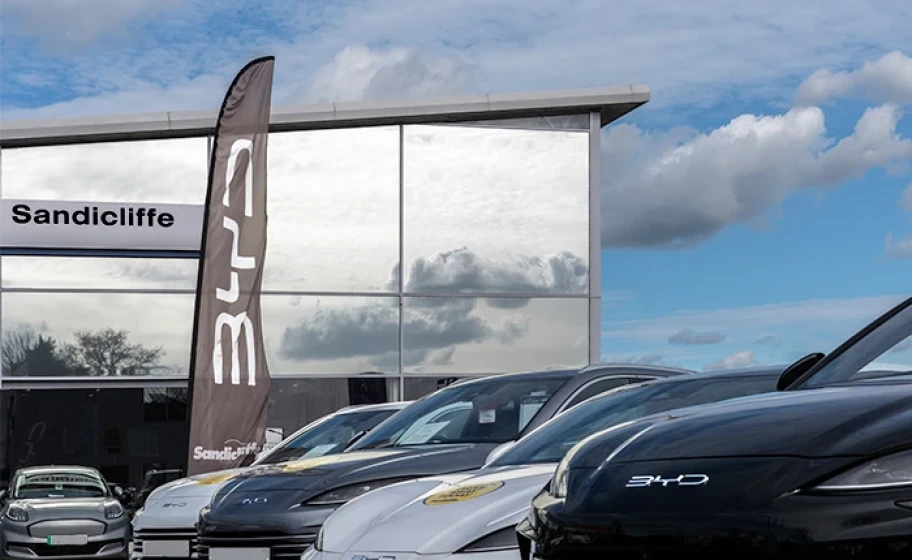
Sorting out a car after someone dies is not easy, but you do not have to do it alone. Sandicliffe can provide a valuation and simple online selling options: contact their online store or call for advice, and take your time reaching out if you need support.
Frequently asked questions
Who can legally sell a car after someone dies?
The executor named in the will or the administrator appointed by the court.
Do I need a Grant of Probate to sell the car?
You usually need probate if the car is part of an estate above certain thresholds or if a bank or dealer requests it.
How do I tell the DVLA about a death?
Use the DVLA Sensitive Casework Team or the Tell Us Once service; keep the V5C log book and the death certificate ready.
Can I drive the car while I sort things out?
Only with valid insurance in the deceased's name or with a temporary policy arranged in your name.


