
What Questions Should You Ask When Buying a Used Car?

Buying a used car is an exciting decision, but it's important to know what you're buying before you commit. At Sandicliffe, we want to help you feel confident when choosing your next vehicle, whether you're buying your first car or upgrading to something newer.
Asking the right questions can help you understand a car's history, condition and running costs, while making sure it's suitable for your needs.
Here are some of the most important questions to ask when buying a used car.
What is the car's service history?
One of the first things to ask about is the car's service history. This can give you a better idea of how well the vehicle has been maintained and whether important maintenance has been carried out when required.
Ask whether the car has a full or partial service history and whether you can see the relevant records. It's also worth finding out when the next service is due.
How many previous owners has the car had?
Ask how many people have previously owned the vehicle and, if possible, how long the previous owner had it.
Having several previous owners doesn't necessarily mean there's anything wrong with the car, but it's useful information to consider alongside its age, mileage and service history.
What is the car's mileage?
Mileage is an important factor when buying a used car, but it shouldn't be considered on its own.
Ask how many miles the car has covered and check that the mileage is consistent with its service and MOT records.
A higher-mileage car that has been properly maintained can be a better choice than a lower-mileage vehicle that hasn't been looked after.
What is the MOT history?
Ask to see the vehicle's MOT history and check for previous advisories or recurring issues.
You should also find out when the current MOT expires and whether any previous advisories have been addressed.
The MOT history can provide useful insight into how the vehicle has performed over time.
Has the car ever been involved in an accident?
This is an important question to ask before buying any used vehicle.
Ask whether the car has previously been involved in an accident or sustained significant damage. You can also ask whether any repairs have been carried out and what work was required.
If you're buying from a dealership, ask what information they have available about the vehicle's history.
Has anything recently been replaced or repaired?
Find out whether any major components have recently been replaced or repaired.
Depending on the vehicle, this could include tyres, brakes, the battery, clutch or timing belt. Knowing what has recently been done can give you a better idea of what maintenance you may need to budget for in the future.
When is the next service due?
As well as looking at what's already been done, ask about upcoming maintenance.
Knowing when the next service is due can help you understand your immediate ownership costs. It's also worth asking whether the vehicle is approaching any manufacturer-recommended maintenance based on its age or mileage.
What are the car's running costs?
The purchase price is only one part of the overall cost of owning a car.
Ask about factors such as:
Insurance group
Vehicle tax
Fuel economy
Servicing costs
Tyre costs
Warranty cover
Think about how the car fits into your everyday life and budget, rather than simply choosing a vehicle based on its purchase price.
What warranty comes with the car?
If you're buying from a dealership, ask what warranty is included with the vehicle.
Make sure you understand how long the warranty lasts and what it covers. It's also worth checking whether there are any exclusions or conditions.
A clear understanding of your warranty can give you greater peace of mind after driving away.
Can I take the car for a test drive?
A test drive is one of the most important parts of buying a used car.
Ask if you can take the vehicle for a test drive and spend enough time behind the wheel to get a proper feel for it.
Pay attention to how the car accelerates, brakes, steers and changes gear. Listen for unusual noises and check that there aren't any unexpected warning lights on the dashboard.
It's also worth testing the features you'll regularly use, such as the infotainment system, climate control, parking sensors and reversing camera.
Can I see the car's documents?
Before buying, check that the vehicle's documentation matches the car you're looking at.
Ask to see the relevant documents and check details such as the vehicle registration, mileage and service information.
If something doesn't look right or you're unsure about any of the information, ask the dealer to explain it before making a decision.
Does the car come with two keys?
This is an easy question to overlook.
Ask whether the car comes with its original keys and whether both keys are included. Replacing a modern car key can be expensive, so knowing exactly what's included can help you avoid an unexpected cost later.
What is included with the car?
Don't assume that everything you see with the vehicle will automatically be included.
Ask whether items such as charging cables, spare wheels, parcel shelves, floor mats or other accessories are included.
This is particularly important when buying an electric or hybrid vehicle, where charging cables can be an important part of ownership.
Can I part exchange my current car?
If you already own a vehicle, ask whether you can part exchange it against your next car.
Part exchanging can make changing cars simpler, with the value of your existing vehicle contributing towards your next purchase.
If your current car is still on finance, let the dealer know so they can discuss your options and establish the outstanding settlement figure.
What finance options are available?
If you're planning to finance your used car, make sure you understand the full cost rather than focusing solely on the monthly payment.
Ask about:
Deposit
Monthly payments
APR
Agreement length
Annual mileage
Optional final payment
Total amount payable
Understanding these figures will help you compare your options and choose a finance agreement that suits your circumstances.
Is there anything else I should know?
Finally, don't be afraid to ask the simple question:
"Is there anything else I should know about this car before I buy it?"
A good dealer should be able to explain the vehicle's history and condition and answer any questions you have.
If you're unsure about something, ask. Taking a little extra time before buying can help you make a more informed decision.
What Should You Check Before Buying a Used Car?
As well as asking questions, it's worth carrying out your own checks before committing to a purchase.
Consider checking:
The vehicle's condition inside and out
Tyres and tread depth
Service history
MOT history
Mileage
Number of keys
Vehicle documents
Warranty
Running costs
Finance options
Most importantly, take the car for a test drive and make sure you're comfortable with it before making your decision.
Summary
Buying a used car doesn't have to be complicated. Asking the right questions can help you understand the vehicle's history, condition, maintenance requirements and ongoing costs before you commit.
From the service history and MOT records to the warranty, finance and test drive, don't be afraid to ask questions and take your time before choosing your next car.
If you're looking for your next used car, visit your local Sandicliffe dealership and speak to our team about the vehicles currently available.






Ford Puma
Puma Gen-E Premium 5 Door 46.8 kWh Standard Range 1 Speed Automatic
- 2026
- 1,395 miles
- Electric
- Automatic
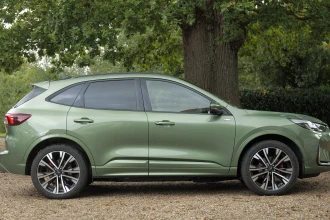
Ford Kuga
Kuga ST-Line X 5 door 2.5L Duratec PHEV 243PS FWD CVT Automatic
- 2026
- 1,634 miles
- Automatic
Kia Stonic
Stonic 1.0T GDi 99 2 5dr Estate
- 2023
- 32,888 miles
- Petrol
- Manual
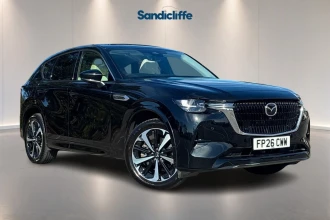
Mazda CX-60
Cx-60 2.5 PHEV Takumi Plus 5dr Auto Estate
- 2026
- 7,001 miles
- Automatic
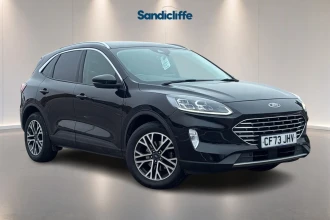
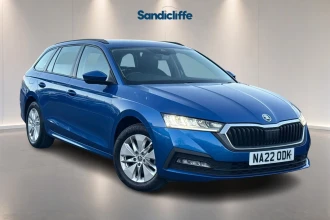
Skoda Octavia
Octavia 1.0 TSI e-TEC SE 5dr DSG Estate
- 2022
- 53,404 miles
- Petrol
- Automatic