
What Is a Wet Belt and Why Does It Matter?
Most drivers have heard of a timing belt, but you may not be familiar with the term wet belt. Although both perform the same essential job inside an engine, a wet belt has a different design that can affect how it needs to be maintained.
Wet belts have attracted attention because certain engine designs have experienced problems with belt deterioration. So, what exactly is a wet belt, why does it matter and how can you look after one?
At Sandicliffe, we believe understanding your car's maintenance requirements can help you avoid unexpected problems. Here's what you need to know about wet timing belts.
What Is a Wet Belt?
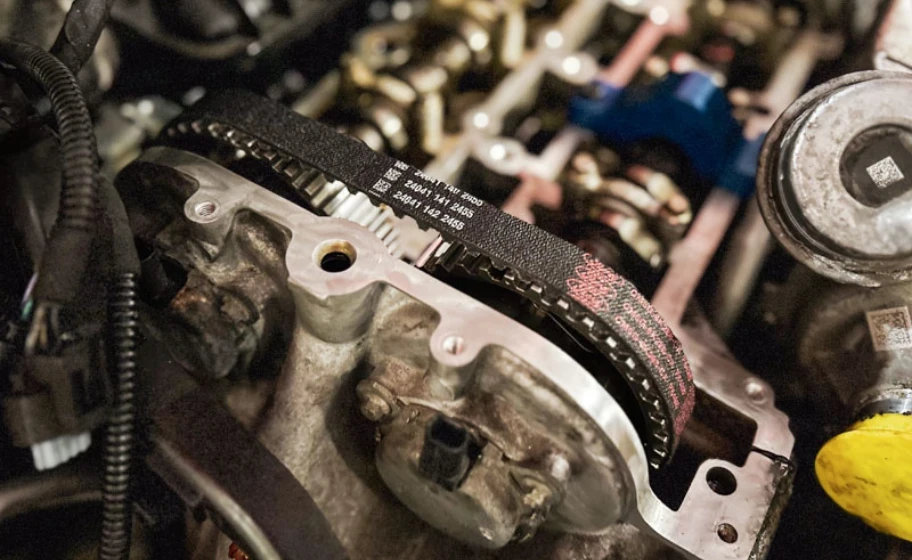
A wet belt is a type of timing belt that operates inside the engine and is in contact with the engine oil.
Unlike a conventional dry timing belt, which operates separately from the engine's lubricating oil, a wet belt is designed to run in an oil environment.
Its job is the same as any other timing belt: synchronising the crankshaft and camshaft so the engine's pistons and valves operate at the correct time.
Wet belts are made using materials specifically designed for this environment. However, their construction means that the condition and specification of the engine oil can be particularly important.
What Is the Difference Between a Wet Belt and a Dry Timing Belt?
The main difference is where the belt operates.
A conventional dry timing belt is housed separately from the engine's lubricating oil. A wet belt operates inside the engine and is exposed to the oil.
There are some important differences to understand:
Location: A dry belt operates in a separate housing, while a wet belt runs within the engine's oil environment.
Lubrication: A dry belt does not run in engine oil. A wet belt is designed to operate while in contact with it.
Oil requirements: Wet belt engines can be particularly sensitive to the correct oil specification because unsuitable oil may contribute to deterioration of the belt material.
Maintenance: Both types require the manufacturer's recommended maintenance schedule, but wet belt engines may have specific oil requirements and inspection procedures.
Neither type should be ignored simply because it appears to be in good condition.
Why Can Wet Belts Cause Problems?
Wet belts are designed to withstand contact with engine oil, but the materials used can deteriorate if exposed to unsuitable conditions.
One potential issue is belt material breaking down over time. Depending on the engine design and belt material, this deterioration can be influenced by factors such as:
Using engine oil that does not meet the manufacturer's specification.
Failing to change the oil at the recommended intervals.
General ageing and wear.
Driving conditions and engine operating temperatures.
Issues specific to a particular engine design.
When a wet belt deteriorates, small particles of belt material can enter the engine oil.
These particles may collect in the oil system and potentially restrict the oil pickup or other oil passages. If oil circulation is affected, important engine components may not receive adequate lubrication.
In severe cases, this can lead to serious engine damage.
What Are the Warning Signs of a Failing Wet Belt?
A wet belt does not always provide obvious warning signs before a problem develops. However, there are some symptoms worth taking seriously.
1. Changes in engine performance
If the timing belt deteriorates or the engine timing is affected, you may notice rough running, misfires or difficulty starting.
These symptoms can have several causes, so they should be investigated by a qualified technician.
2. Oil pressure warning light
If deteriorated belt material restricts oil circulation, it may contribute to an oil pressure problem.
A red oil pressure warning light should never be ignored. If it appears while driving, stop safely and switch off the engine as soon as possible. Follow your vehicle handbook and seek professional assistance.
3. Unusual engine noises
A damaged timing belt system or related components may produce unusual noises. However, rattling, ticking or other engine sounds can have many different causes.
If you notice a new noise, arrange an inspection rather than assuming the wet belt is responsible.
4. Visible belt deterioration
On some engines, a technician can inspect the belt through an appropriate access point or using a manufacturer-approved procedure.
Signs of deterioration may include changes to the belt surface, cracking, swelling or material coming away from the belt.
A visual inspection is not always sufficient to establish the belt's overall condition, particularly if the problem is developing in areas that cannot be seen easily.
How Often Should a Wet Belt Be Changed?
The replacement interval depends on the specific engine and manufacturer guidance.
There is no universal wet belt replacement interval. Some engines have a defined mileage or age limit, while others may have revised maintenance guidance depending on the engine version.
If your car has a wet belt, check the manufacturer's servicing information rather than relying on a general online recommendation.
It is particularly important to check the following:
The recommended replacement mileage.
The maximum age of the belt.
Whether the manufacturer has issued updated guidance.
Whether your engine has specific oil requirements.
Whether additional components should be replaced at the same time.
If you have bought a used vehicle and cannot confirm its maintenance history, ask a qualified technician to establish what is required.
Why Is the Correct Engine Oil So Important?
The engine oil in a wet belt vehicle does more than lubricate moving engine components. It is also in direct contact with the timing belt.
Using oil that does not meet the required specification can contribute to premature belt deterioration, depending on the engine and belt material.
This is why choosing oil based only on its viscosity, such as 5W-30, is not always sufficient. Two oils with the same viscosity can have different specifications and approvals.
Always follow the exact oil specification listed in your vehicle handbook or manufacturer's technical guidance.
It is also important to change the oil and filter at the recommended intervals. Leaving old oil in the engine for too long can increase the risk of problems.
What Should You Do If Your Car Has a Wet Belt?
If you discover that your car has a wet timing belt, there is no need to panic. It simply means you should be particularly aware of its maintenance requirements.
Start by establishing which engine is fitted to your vehicle and checking the manufacturer's recommended replacement schedule.
If you are unsure when the belt was last changed, review your service records or ask a qualified technician to assess the situation.
You should also make sure that every oil change uses the correct specification. If the vehicle has a history of incorrect oil or missed servicing, mention this when arranging an inspection.
Do not wait for a warning light or noticeable engine problem before checking whether the belt is due for replacement.
Summary: What Is a Wet Belt and Why Does It Matter?
A wet belt is a timing belt that operates inside the engine while in contact with the engine oil. Certain wet belt designs can be sensitive to oil quality and maintenance, and deterioration may lead to debris entering the lubrication system and potentially causing serious damage. Check your manufacturer's replacement schedule, use the correct oil specification and keep up with servicing. If you're unsure about your engine's wet belt requirements, visit your local Sandicliffe dealership for advice.













Ford Transit
Transit Trend Van 350 L3 Electric Motor #3 [135kW] RWD 1 Speed Automatic
- 2026
- 43 miles
- Electric
- Automatic


Peugeot 2008
2008 1.2 PureTech Active 5dr Estate
- 2023
- 23,966 miles
- Petrol
- Manual

Ford Focus
Focus Titanium Estate 1.0L EcoBoost 155PS mHEV FWD 7 Speed PowerShift
- 2023
- 16,121 miles
- Petrol
- Automatic


Mazda CX-5
Cx-5 2.0 Sport Black 5dr Estate
- 2022
- 64,000 miles
- Petrol
- Manual