
What is a Clean Air Zone? A Complete Guide for UK Drivers
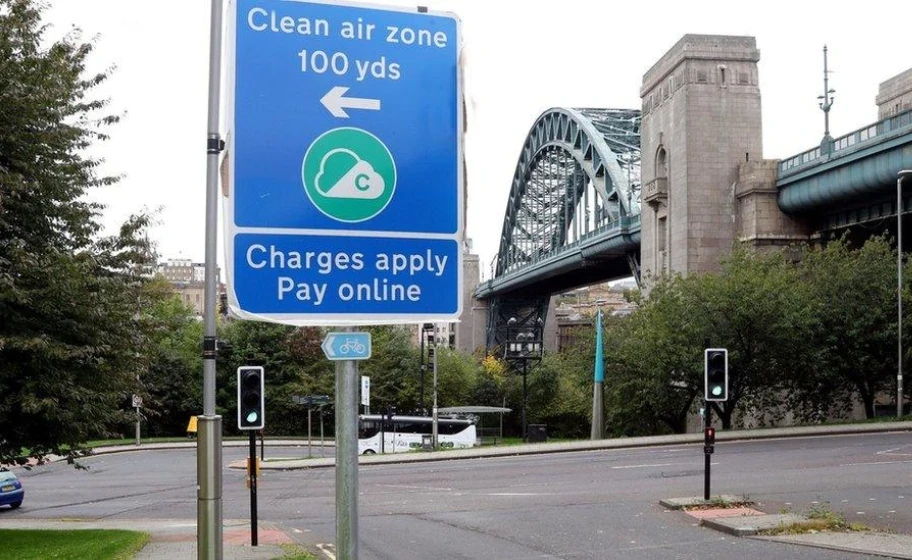
If you've driven into a UK city recently, you may have noticed signs featuring a white cloud symbol and wondered: what is a Clean Air Zone?
Clean Air Zones (CAZs) have been introduced in several towns and cities across England to help improve air quality by reducing harmful vehicle emissions. Depending on the type of zone and the vehicle you're driving, you may need to pay a daily charge to enter or drive within it.
The good news is that not every vehicle has to pay a Clean Air Zone charge. Whether you need to pay depends on factors including your vehicle type, emissions standard and the particular Clean Air Zone you're travelling through.
In this guide, we'll explain everything you need to know about Clean Air Zones, including where they operate, which vehicles are affected, how much you could pay and how to check whether your car is compliant.
What is a Clean Air Zone?
A Clean Air Zone (CAZ) is an area where local authorities take action to improve air quality by encouraging higher-polluting vehicles to meet minimum emissions standards.
If your vehicle doesn't meet the required emissions standard for the zone you're entering, you may have to pay a daily charge.
Clean Air Zones aren't designed to charge every vehicle entering a city. Instead, they target vehicles that don't meet the required emissions standards.
The aim is to reduce pollutants such as nitrogen dioxide (NO₂), particularly in areas where road traffic contributes significantly to poor air quality.
There are currently four types of Clean Air Zone in England: Class A, Class B, Class C and Class D. Each class covers different types of vehicles.
Why were Clean Air Zones introduced?
Clean Air Zones are intended to improve air quality and support better public health outcomes by reducing pollution from road vehicles.
Older, higher-emission vehicles generally produce more pollutants than newer vehicles that meet later Euro emissions standards. Clean Air Zones therefore encourage drivers and businesses to use cleaner vehicles when travelling through areas where air quality is a concern.
The exact rules vary from one Clean Air Zone to another, including the vehicles covered, charges and any local exemptions.
Where are Clean Air Zones in the UK?
There are currently Clean Air Zones operating in the following locations in England:
Bath
Birmingham
Bradford
Bristol
Portsmouth
Sheffield
Tyneside, covering Newcastle and Gateshead
The zones vary in size and classification. For example, some apply to cars while others focus on buses, taxis, HGVs and vans.
London operates different emissions schemes, including the Ultra Low Emission Zone (ULEZ) and Low Emission Zone (LEZ), rather than a standard Clean Air Zone.
It's therefore important to check the rules for the specific city you're travelling to rather than assuming that every emissions zone works in the same way.
What are the four Clean Air Zone classes?
Clean Air Zones are divided into four classes. The higher the class, the wider the range of vehicle types that can be affected.
Class A
Class A can apply to:
Buses
Coaches
Taxis
Private hire vehicles
Class B
Class B can apply to:
Buses
Coaches
Taxis
Private hire vehicles
Heavy Goods Vehicles (HGVs)
Class C
Class C can apply to:
Buses
Coaches
Taxis
Private hire vehicles
HGVs
Vans
Minibuses
Class D
Class D can apply to:
Buses
Coaches
Taxis
Private hire vehicles
HGVs
Vans
Minibuses
Cars
Local authorities can also choose to include motorcycles within a Class D zone.
This means that a car may be unaffected by one Clean Air Zone but subject to a charge in another, depending on the zone's classification.
What emissions standard does my car need for a Clean Air Zone?
For cars, vans and other light vehicles, the minimum standards used for Clean Air Zones are generally:
Petrol: Euro 4
Diesel: Euro 6
Motorcycles: Euro 3, where motorcycles are included
For heavier vehicles such as buses and HGVs, the relevant standard is generally Euro VI.
However, emissions standards can vary depending on the vehicle and the particular scheme, so you shouldn't rely solely on the age or fuel type of your car.
A newer diesel isn't automatically compliant, and an older petrol car isn't automatically non-compliant.
The safest option is to check your vehicle using the official Clean Air Zone checker before travelling.
How do I check if my car is Clean Air Zone compliant?
You can check whether your vehicle needs to pay a Clean Air Zone charge using the official GOV.UK service.
You'll normally need your vehicle's registration number.
The checker can tell you whether your vehicle meets the required emissions standards and whether you need to pay to drive in applicable Clean Air Zones.
It's worth checking before every unfamiliar journey, particularly if you're travelling to a city where you haven't driven before.
Do I have to pay a Clean Air Zone charge?
Only if your vehicle doesn't meet the required emissions standards for the particular zone and your vehicle type is covered by that zone.
For example, a car travelling through a Class C Clean Air Zone may not be subject to the same restrictions as one travelling through a Class D zone.
Charges also vary between locations, so there isn't one standard Clean Air Zone price across the UK.
Some vehicles may also qualify for exemptions or discounts depending on the local scheme.
If you're unsure, check your registration using the GOV.UK Clean Air Zone service before you travel.
How do Clean Air Zone charges work?
Clean Air Zones operate 24 hours a day, seven days a week, throughout the year.
The charge period runs from midnight to midnight.
If you drive a non-compliant vehicle through a charging Clean Air Zone, you generally need to pay the applicable charge for that day.
According to the current GOV.UK guidance, charges can be paid up to six days before travelling or by 11:59pm on the sixth day after travelling through the zone.
Failing to pay on time could result in a penalty charge notice.
Are electric cars exempt from Clean Air Zone charges?
Fully electric vehicles produce no tailpipe emissions and are generally not subject to Clean Air Zone charges.
Other low-emission vehicles may also receive favourable treatment depending on the rules of the particular zone.
If you're considering switching to an electric car, a Clean Air Zone is one of several factors worth considering alongside charging availability, range, purchase price and running costs.
Are hybrid cars exempt from Clean Air Zones?
It depends on the vehicle and the specific emissions standards that it meets.
A hybrid vehicle isn't automatically exempt simply because it's a hybrid. The vehicle's recorded emissions classification and the rules of the particular Clean Air Zone determine whether a charge applies.
If you're considering a hybrid because you regularly drive into cities, check the individual vehicle's CAZ status before buying.
Are diesel cars banned from Clean Air Zones?
No. Diesel cars aren't banned from Clean Air Zones.
Many modern diesel cars meet the Euro 6 emissions standard and can therefore meet the minimum standard used for cars in many Clean Air Zones.
The important distinction is between the vehicle's fuel type and its emissions standard.
If you own a diesel car, don't assume that you'll have to pay. Check the vehicle's registration using the official government checker.
Are petrol cars allowed in Clean Air Zones?
Yes. Petrol cars can be driven through Clean Air Zones, provided they meet the required emissions standard for the zone.
For cars, the minimum standard is generally Euro 4 for petrol vehicles.
Again, the best way to confirm your individual vehicle's status is to use the official checker rather than relying on its registration date or model year.
What is the difference between a CAZ and ULEZ?
CAZ and ULEZ are often confused because both are designed to reduce vehicle emissions, but they're not the same scheme.
Clean Air Zone (CAZ)
Clean Air Zones are used by local authorities in several English cities. They can operate as Class A, B, C or D zones, depending on the types of vehicles affected.
Ultra Low Emission Zone (ULEZ)
ULEZ is London's emissions scheme. It covers most vehicle types, with charges applying to vehicles that don't meet the required emissions standards.
Low Emission Zone (LEZ)
London also has a separate Low Emission Zone, which primarily applies to larger vehicles such as HGVs, buses and coaches.
So, if you're travelling to London, don't assume that the Clean Air Zone rules used elsewhere in England will apply.
How do I know when I'm entering a Clean Air Zone?
Clean Air Zones are signposted using a white cloud symbol within a green circle.
The sign will also display the relevant CAZ class, from A to D.
However, it's sensible to check your route before setting off rather than relying entirely on roadside signs. Knowing whether your vehicle is compliant can help you avoid unexpected charges and make better route-planning decisions.
Can I avoid a Clean Air Zone?
If your vehicle isn't compliant, you may be able to plan a route that avoids the charging zone.
Whether this is practical depends on your destination and the road network around the city.
For regular journeys, however, repeatedly avoiding a Clean Air Zone may not always be the most convenient solution.
If you frequently travel into cities with CAZs, it could be worth considering a newer, more efficient vehicle that meets the required emissions standards.
Should I change my car because of Clean Air Zones?
Not necessarily.
If you only occasionally drive into a Clean Air Zone, paying an occasional charge or planning an alternative route could make more financial sense than changing your vehicle.
However, if you regularly travel through several charging zones, the costs can start to add up.
When choosing your next car, it can therefore be useful to consider:
Whether it meets the latest relevant emissions standards
How often you drive into city centres
Your typical annual mileage
Fuel economy
Purchase or finance costs
Insurance costs
Maintenance costs
Whether a hybrid or electric vehicle would suit your driving
Where you can charge an electric vehicle, if applicable
Looking at the overall cost of ownership can help you decide whether changing your vehicle makes sense.
What should I look for when buying a CAZ-compliant car?
If Clean Air Zones are a regular part of your driving, emissions compliance should be one of the questions you ask when choosing your next vehicle.
Before buying, check:
1. The vehicle's Euro emissions standard
Find out whether the vehicle meets the relevant Euro standard for the areas you regularly visit.
2. Its CAZ status
Don't assume that a vehicle is compliant because it is new, petrol, diesel or hybrid. Check the specific registration where possible.
3. Your usual journeys
Think about where you actually drive. A vehicle that's ideal for motorway journeys may not necessarily be the best choice if most of your driving takes place in busy city centres.
4. Your running costs
Fuel economy, servicing, insurance and tax can all affect the cost of running a vehicle.
5. Your future driving needs
If you're buying a car that you expect to keep for several years, consider whether your driving habits or the emissions regulations affecting your regular journeys could change.
Clean Air Zones: key things to remember
If you're driving in or around UK cities, keep these points in mind:
Clean Air Zones are designed to improve air quality.
There are four CAZ classes: A, B, C and D.
Not every Clean Air Zone applies to cars.
Petrol cars generally need to meet Euro 4.
Diesel cars generally need to meet Euro 6.
Fully electric vehicles are generally not charged because they have zero tailpipe emissions.
Charges vary between individual Clean Air Zones.
You can check your vehicle using the official GOV.UK service.
London uses separate ULEZ and LEZ schemes.
Always check the rules before travelling if you're unsure.
Find a car that's ready for your journeys with Sandicliffe
If you regularly drive into cities with Clean Air Zones, choosing the right vehicle can make your journeys simpler and help you avoid unexpected emissions charges.
At Sandicliffe, we have a wide selection of new and used cars, including petrol, hybrid and electric models from leading manufacturers.
Whether you're looking for a practical family car, an efficient commuter vehicle or you're considering making the switch to an electric car, our team can help you explore your options.
Clean Air Zone FAQs
What is a Clean Air Zone?
A Clean Air Zone is an area where action is taken to improve air quality by encouraging vehicles to meet minimum emissions standards. Non-compliant vehicles may have to pay a daily charge depending on the type of zone.
How many Clean Air Zones are there in the UK?
There are currently seven charging Clean Air Zone locations listed by GOV.UK in England: Bath, Birmingham, Bradford, Bristol, Portsmouth, Sheffield and Tyneside.
What cars are exempt from Clean Air Zone charges?
Fully electric cars are generally not subject to Clean Air Zone charges because they produce zero tailpipe emissions. Other exemptions can apply depending on the vehicle and local scheme.
Is Euro 6 diesel CAZ compliant?
Euro 6 diesel cars generally meet the minimum emissions standard used for cars in Clean Air Zones. However, you should always check your individual vehicle using the official government vehicle checker.
Is Euro 4 petrol CAZ compliant?
Euro 4 petrol is generally the minimum standard for cars in a Clean Air Zone. You should still check your vehicle and the rules of the specific zone before travelling.
Do Clean Air Zones operate on Sundays?
Yes. Clean Air Zones operate 24 hours a day, seven days a week, including Sundays and bank holidays.
Can I check my car before entering a Clean Air Zone?
Yes. The GOV.UK Clean Air Zone service allows you to check whether your vehicle needs to pay a charge before travelling.
Are Clean Air Zones the same as ULEZ?
No. Clean Air Zones operate in several English cities, while ULEZ is London's separate emissions scheme.
What happens if I don't pay a Clean Air Zone charge?
If you use a non-compliant vehicle in a charging Clean Air Zone and fail to pay the applicable charge within the required timeframe, you could receive a penalty charge notice.
Do Clean Air Zones apply to motorbikes?
Motorcycles aren't routinely included in Clean Air Zones, although local authorities can include them in a Class D zone. Always check the rules for the specific zone you're travelling through.








Ford Puma
Puma Gen-E Premium 5 Door 46.8 kWh Standard Range 1 Speed Automatic
- 2026
- 1,395 miles
- Electric
- Automatic
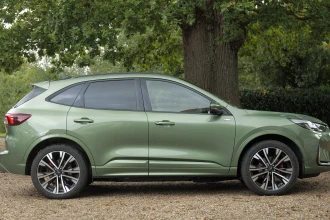
Ford Kuga
Kuga ST-Line X 5 door 2.5L Duratec PHEV 243PS FWD CVT Automatic
- 2026
- 1,634 miles
- Automatic
Kia Stonic
Stonic 1.0T GDi 99 2 5dr Estate
- 2023
- 32,888 miles
- Petrol
- Manual
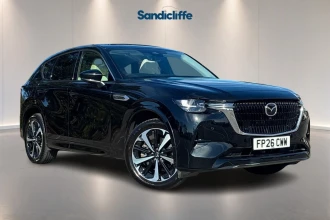
Mazda CX-60
Cx-60 2.5 PHEV Takumi Plus 5dr Auto Estate
- 2026
- 7,001 miles
- Automatic
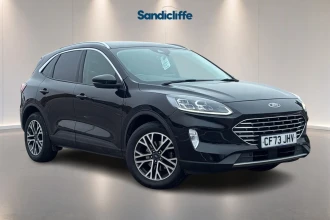
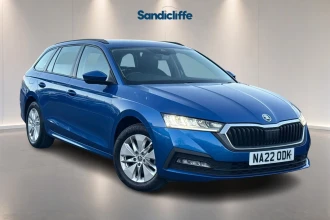
Skoda Octavia
Octavia 1.0 TSI e-TEC SE 5dr DSG Estate
- 2022
- 53,404 miles
- Petrol
- Automatic