
What Is a Cat N Car?
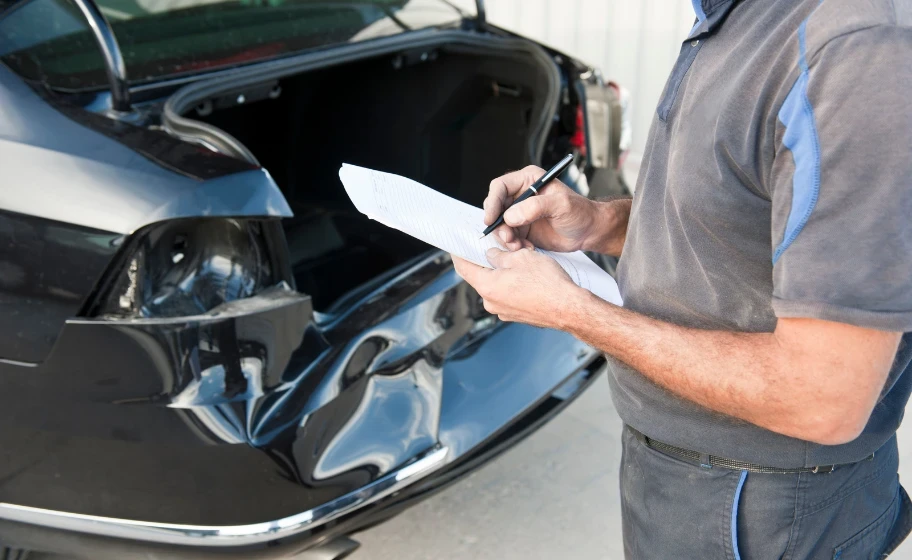
When searching for a used car, you might come across vehicles advertised as Category N, or Cat N. These cars have previously been declared insurance write-offs, but that doesn't necessarily mean they're unsafe or unsuitable to buy.
At Sandicliffe, we want to help you understand what to look for when choosing your next used car. Knowing what a Cat N vehicle is, why it received its classification and what to check before buying can help you make a more informed decision.
In this guide, we'll explain what Cat N means, how it affects a car's value and whether buying one could be the right choice for you.
What Does Cat N Mean on a Car?
Cat N stands for Category N, an insurance write-off classification used in the UK.
A car is typically given a Cat N classification when an insurer decides that repairing it isn't economically worthwhile, even though the damage doesn't involve the vehicle's structural frame.
The damage may affect components such as the bodywork, lights, electrical systems or other non-structural parts.
However, Cat N doesn't automatically mean a car has only suffered minor damage. The classification relates to structural damage, not necessarily the overall severity or cost of the repairs.
A Cat N vehicle can potentially be repaired and returned to the road, provided it's roadworthy and any necessary repairs have been completed properly.
What Damage Can Cause a Car to Be Classified as Cat N?
There are several reasons why a vehicle might receive a Cat N classification.
Examples include:
Bodywork damage: Damage to doors, bumpers, panels or other exterior components.
Electrical damage: Problems affecting wiring, electronic systems or other electrical components.
Interior damage: Damage to interior components that may be expensive to repair.
Water damage: Flooding that affects electrical systems or other non-structural components.
Theft-related damage: Damage caused when a stolen vehicle is recovered.
These are examples rather than a definitive list. The classification depends on the circumstances and the assessment of the vehicle.
It's also important to remember that a Cat N vehicle may have sustained damage to multiple components, so you should always investigate its individual history.
What Is the Difference Between Cat N and Cat S?
Cat N and Cat S are both insurance write-off categories, but the key difference is whether structural damage has been identified.
Cat N: The vehicle has been classified as having non-structural damage. It may still have significant damage to other components.
Cat S: The vehicle has sustained structural damage, such as damage to the chassis or other structural parts.
Both categories can potentially be repaired and returned to the road. However, the nature of the damage and the quality of any repairs are particularly important when assessing a Cat S vehicle.
Neither classification should be ignored when buying a used car. Always establish what happened, what repairs were completed and whether the vehicle is safe to drive.
Is It Safe to Buy a Cat N Car?
A Cat N car can be safe to drive if the necessary repairs have been completed correctly and the vehicle is roadworthy.
However, the classification alone doesn't guarantee that the car is safe, nor does it tell you the full extent of the original damage.
Before buying one, try to establish:
What caused the original damage.
Which components were affected.
What repairs have been carried out.
Who completed the repairs.
Whether supporting invoices or photographs are available.
Whether an independent inspection would be worthwhile.
If you're unsure about the quality of the repairs, consider arranging an independent inspection by a suitably qualified professional before making a decision.
Are Cat N Cars Cheaper?
Cat N cars are often advertised at lower prices than comparable vehicles without a recorded write-off history.
This is because the classification can affect buyer confidence and the vehicle's resale value.
However, the amount a car is worth depends on several factors, including its make, model, age, mileage, condition and the extent of its previous damage.
A lower purchase price doesn't necessarily mean a better deal. You should consider the vehicle's overall condition, potential repair costs and how easily you might be able to sell it in the future.
Does Cat N Affect Car Insurance?
A Cat N classification can affect your insurance options and the price you're quoted.
Insurers may assess a previously written-off vehicle differently from one without a write-off record. The impact varies between insurers and individual circumstances.
Before buying, contact your insurer to confirm whether they'll cover the vehicle and what the premium is likely to be.
It's also worth checking whether any specialist terms or conditions apply.
Getting an insurance quote before committing to the purchase can help you understand the total cost of ownership.
Can You Sell a Cat N Car?
Yes, a Cat N car can generally be sold, provided the relevant legal requirements are met.
However, its write-off history is important information that should be disclosed to potential buyers.
Some buyers may be reluctant to purchase a previously written-off vehicle, which can affect its resale value and the time it takes to sell.
Keeping records of the original damage and subsequent repairs can help provide reassurance to future buyers.
How Can You Check Whether a Car Is Cat N?
If you're considering a used car, there are several ways to investigate whether it has previously been classified as Cat N.
Carry out a vehicle history check
A vehicle history check can reveal whether a car has a recorded insurance write-off classification. Check what information is included in the report, as coverage can vary between providers.
Ask the seller
Ask directly whether the vehicle has ever been involved in an accident or declared an insurance write-off.
If it is Cat N, request details of the original damage and any repairs carried out.
Review the vehicle's documents
Check any available repair invoices, photographs and service records to understand the vehicle's history.
Arrange an independent inspection
If you have concerns about previous damage or repair quality, an independent inspection can help identify issues that may not be immediately obvious.
What Should You Consider Before Buying a Cat N Car?
Before making a decision, weigh up the potential benefits and drawbacks.
Potential advantages:
A lower purchase price than comparable vehicles.
The opportunity to buy a car that otherwise suits your needs and budget.
Potential value for buyers who understand the vehicle's history and have verified the repairs.
Potential disadvantages:
A potentially lower resale value.
Possible difficulties or higher costs when arranging insurance.
Uncertainty about previous damage if records are incomplete.
The risk of poorly completed repairs or hidden problems.
The most important thing is to assess the individual vehicle rather than making a decision based solely on its classification.
Summary
A Cat N car is a vehicle that has been declared an insurance write-off following non-structural damage. It can potentially be repaired and returned to the road, but its condition, repair history and insurance options should be carefully considered before buying.
Although Cat N vehicles may offer lower purchase prices, it's important to understand the original damage, check the quality of any repairs and consider the potential impact on resale value.
If you're looking for your next used car, visit your local Sandicliffe dealership and speak to our team about the range of vehicles available.










Ford Puma
Puma Gen-E Premium 5 Door 46.8 kWh Standard Range 1 Speed Automatic
- 2026
- 1,395 miles
- Electric
- Automatic
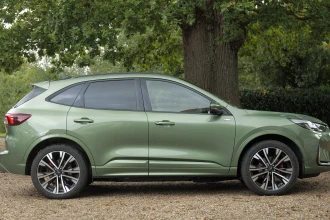
Ford Kuga
Kuga ST-Line X 5 door 2.5L Duratec PHEV 243PS FWD CVT Automatic
- 2026
- 1,634 miles
- Automatic
Kia Stonic
Stonic 1.0T GDi 99 2 5dr Estate
- 2023
- 32,888 miles
- Petrol
- Manual
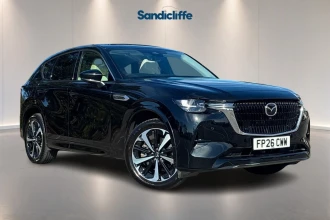
Mazda CX-60
Cx-60 2.5 PHEV Takumi Plus 5dr Auto Estate
- 2026
- 7,001 miles
- Automatic
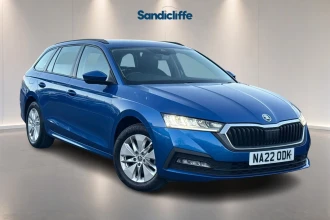
Skoda Octavia
Octavia 1.0 TSI e-TEC SE 5dr DSG Estate
- 2022
- 53,404 miles
- Petrol
- Automatic