
What Happens If You Don't Change Your Oil?
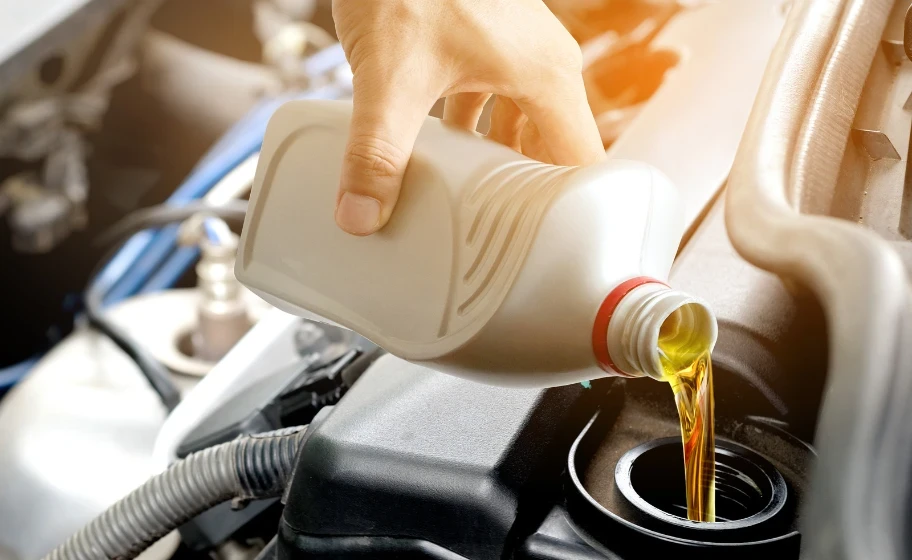
Engine oil plays a vital role in keeping your car running smoothly. It lubricates moving parts, helps control engine temperature and carries contaminants away from important components. But what happens if you leave it too long between oil changes, or stop changing it altogether?
Failing to change your engine oil at the recommended intervals can lead to increased wear, reduced performance and, in serious cases, expensive engine damage. At Sandicliffe, we know that understanding basic car maintenance can help drivers avoid preventable problems. Here's why regular oil changes matter and what to look out for.
Why Does Your Car Need Engine Oil?
An engine contains many moving parts that operate at high speeds and temperatures. Engine oil forms a lubricating film between these components, helping reduce friction and wear.
Oil also performs several other important jobs:
Reducing friction: Helps moving engine components operate with less resistance.
Managing heat: Carries heat away from certain engine components.
Cleaning the engine: Helps suspend contaminants so they can be captured by the oil filter.
Protecting against corrosion: Helps protect internal surfaces from corrosion under the conditions for which the oil is designed.
Supporting engine performance: Helps the engine operate as intended when the correct oil is used and maintained.
Over time, oil degrades and contaminants accumulate. This is why simply checking the oil level is not enough. Your car may have sufficient oil in the engine, but that oil may still be overdue for replacement.
What Happens If You Don't Change Your Oil?
The consequences depend on how overdue the oil is, the type of engine, the oil used and how the vehicle is driven. However, neglecting oil changes can cause several problems.
1. Engine Wear Can Increase
One of the main purposes of engine oil is to reduce friction between moving parts.
As oil ages and its protective properties deteriorate, it may not protect engine components as effectively. This can increase wear over time, particularly under demanding driving conditions.
Engine damage may not be immediately obvious. A car can continue running while internal wear gradually increases, which is why following the recommended maintenance schedule is important.
2. Sludge and Deposits Can Build Up
As oil ages, it can become contaminated with combustion by-products, dirt and other particles. Under certain conditions, deposits and sludge can form inside the engine.
Sludge can interfere with the movement of oil through narrow passages and may restrict lubrication to important components.
Short journeys and repeated cold starts can be particularly demanding for engine oil because the engine may not consistently reach its normal operating temperature. This makes it especially important to follow the correct service schedule for your driving conditions.
3. Your Engine May Overheat More Easily
Engine oil helps carry heat away from moving components, although the cooling system performs the main job of controlling engine temperature.
If the oil level is too low or the oil is badly degraded, its ability to lubricate and help manage heat may be reduced. Increased friction can contribute to higher temperatures and damage.
If your temperature warning light appears or the engine begins overheating, stop somewhere safe as soon as you can and follow the vehicle handbook's guidance. Do not remove a hot cooling-system cap.
4. Fuel Economy and Performance May Suffer
Old or unsuitable oil can increase friction and may affect how efficiently an engine operates.
You might notice that the engine feels less smooth, although poor fuel economy or reduced performance can have many other causes. These symptoms alone do not prove that the oil needs changing.
Using the correct oil and maintaining it according to the manufacturer's schedule helps support the engine's intended operation.
5. Engine Components Could Be Damaged
If oil becomes severely degraded, the level drops too low or lubrication is interrupted, important engine components can suffer damage.
In severe cases, this may lead to major mechanical failure. Repairs can be expensive, and a badly damaged engine may need extensive work or replacement.
The risk is not the same for every car, and going slightly beyond a recommended interval does not automatically mean your engine has been damaged. However, repeatedly ignoring oil changes increases the risk of avoidable problems.
What Happens If You Drive With Low Engine Oil?
Driving with low engine oil can be more urgent than simply being overdue for a routine oil change.
If there is not enough oil available, the engine may not receive adequate lubrication. This can cause rapid wear and serious damage, particularly if the oil pressure becomes too low.
Pay attention to your dashboard warnings. If the red oil pressure warning light comes on while driving, pull over safely and switch off the engine as soon as it is safe to do so. Do not continue driving in the hope that the warning will disappear.
Check your vehicle handbook for the correct procedure. If the warning remains or the cause is unclear, seek professional assistance rather than restarting or driving the car.
An oil pressure warning is different from a routine service reminder. It can indicate an immediate problem that needs attention.
How Do You Know When Your Oil Needs Changing?
The best way to know when your oil needs changing is to follow your vehicle manufacturer's maintenance schedule.
Depending on your car, the recommended interval may be based on mileage, elapsed time or the vehicle's oil-life monitoring system. Some vehicles have different schedules for normal and demanding use.
Signs that warrant attention can include:
An oil change or service reminder on the dashboard.
An oil pressure warning light.
An oil level below the recommended range.
New or unusual engine noises.
Visible oil leaks.
Smoke or other unusual symptoms that may indicate a mechanical problem.
These signs do not all mean the same thing. For example, a low oil level may require topping up and investigating a leak, while an oil pressure warning can require the engine to be switched off immediately.
Do not wait for symptoms before changing the oil. Engine oil can deteriorate without obvious warning signs.
How Often Should You Change Your Engine Oil?
There is no single interval that applies to every car. Your manufacturer's guidance will specify how often the oil should be changed, taking account of the engine and the vehicle's servicing requirements.
Some cars use fixed mileage or time intervals, while others have variable servicing systems that calculate when maintenance is due.
Your driving habits also matter. Frequent short trips, stop-start traffic, towing and other demanding conditions may affect maintenance requirements, depending on the manufacturer's guidance.
Always use engine oil that meets the specification required for your particular vehicle. The correct specification is more important than choosing an oil simply because it is marketed as suitable for petrol or diesel engines generally.
If you're unsure which oil your car needs or when it was last changed, check the handbook and service records or ask a qualified technician.
Can You Just Top Up the Oil Instead of Changing It?
Topping up and changing engine oil serve different purposes.
If the oil level is low, adding the correct oil may bring it back into the recommended range. However, topping up does not remove the old oil and contaminants already in the engine, so it does not replace a scheduled oil change.
Check the oil level using the method described in your vehicle handbook, and avoid overfilling. If the level repeatedly drops, have the vehicle checked to establish whether there is a leak or another underlying issue.
If the oil is overdue for replacement, arrange the required maintenance even if the level appears normal.
How Can Regular Servicing Help?
Regular servicing helps ensure your engine oil is changed at the appropriate interval and gives a technician an opportunity to check for related issues, such as leaks or other signs of deterioration.
Keeping service records also makes it easier to track when the next oil change is due. If you have recently purchased a used car and cannot confirm when the oil was last changed, ask a qualified technician to review its maintenance history and advise on the next steps.
Remember that a routine oil change may not resolve an existing mechanical problem. If your engine is making unusual noises, showing warning lights or losing oil, the cause may need to be diagnosed separately.
Summary: What Happens If You Don't Change Your Oil?
Failing to change your engine oil can increase friction, allow harmful deposits to build up and contribute to excessive wear or serious engine damage. Check your oil level regularly, follow the manufacturer's replacement schedule and use the correct oil specification for your car. If you notice an oil pressure warning or suspect a serious problem, stop safely and seek advice. For help with your vehicle's maintenance schedule, visit your local Sandicliffe dealership.











Ford Transit Custom
Transit Custom V710 Limited Van 300 L1 2.0L EcoBlue 136PS FWD 8 Speed Automatic
- 2024
- 15,703 miles
- Diesel
- Automatic

Kia Picanto
Picanto 1.0 2 5dr Hatchback
- 2024
- 14,081 miles
- Petrol
- Manual

Nissan Qashqai
Qashqai 1.3 DiG-T MH 158 N-Connecta 5dr Xtronic Hatchback
- 2023
- 38,021 miles
- Petrol
- Automatic


Ford Kuga
Kuga ST-Line X 5 door 2.5L Duratec PHEV 243PS FWD CVT Automatic
- 2026
- 1,634 miles
- Automatic

Kia Stonic
Stonic 1.0T GDi 99 2 5dr Estate
- 2023
- 32,888 miles
- Petrol
- Manual