

Used Peugeot 208 Buying Guide: Reliability & Trims Explained
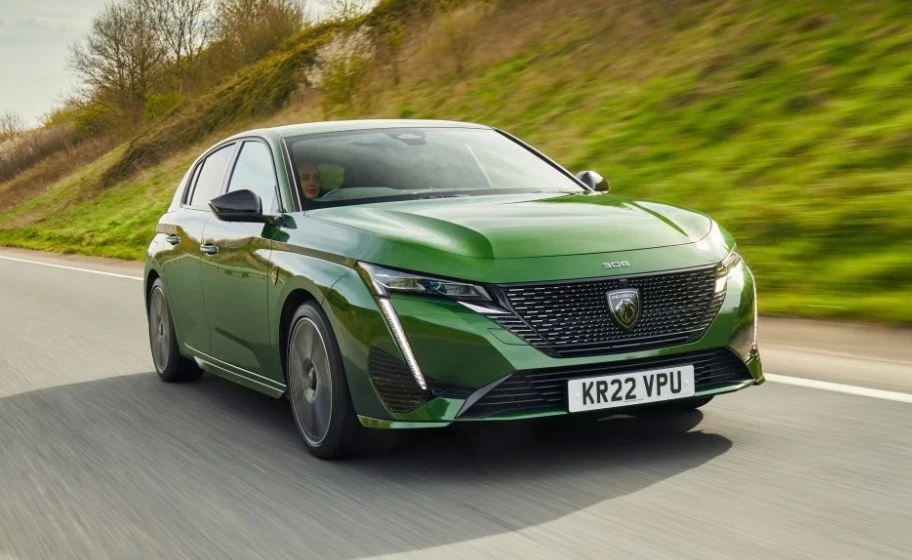
What should you look for when buying a used Peugeot 208? To find the right Peugeot 208 hatchback, focus on reliability checks, trim differences, pricing, and battery health for e-208 models. This guide explains what to inspect and how to choose the best fit for your needs.
If you’re considering a Peugeot 208 for your next car, you’re in good company. This popular supermini is a favourite for city driving, offering a great mix of style, comfort, and running costs. In this guide, we’ll break down what you need to know about buying a used 208, from reliability and trims to pricing and the electric e-208.
I remember a friend who picked up a used 208 compact car for her daily commute. She loved the nimble handling and low fuel bills but wished she’d checked the service history more closely. Let’s help you avoid common pitfalls and make a confident choice.
Expert Opinion: The Peugeot 208 hatchback stands out as a top choice for UK city drivers, thanks to its blend of style, comfort, and efficiency. However, like any small car, certain mechanical and electrical issues can crop up, particularly with the PureTech engine and infotainment systems. My advice is to always check the service history, look for signs of regular maintenance, and test all features during a viewing. For those considering the e-208 electric model, battery health is crucial. A careful inspection and a thorough test drive will help you spot any problems early, making your purchase much more secure. Meta-content note for editors: Keep final article length around 900–1,300 words for best search visibility; use headings and short paragraphs for scannability.
What you will learn: Discover how to choose a reliable used Peugeot 208, including key checks, trim options, pricing, and electric model tips for UK buyers.
Is the Peugeot 208 popular and why?
The 208 supermini is a top pick in the UK, especially for city drivers. Its stylish design, practical size, and strong sales record make it a familiar sight on British roads.
Sales and market position
- The Peugeot 208 hatchback was Europe’s best-seller in 2022.
- In 2024, it became the UK’s fastest-selling used car, often selling within 11 days.
- Its popularity keeps used prices strong and ensures good availability.
Why city drivers choose it
- The 208 compact car is easy to park and turn in tight spaces.
- Fuel economy is a big plus: petrol models average 48–60 mpg in real-world use (closer to 50 mpg in town, up to 60 mpg on longer trips).
- The interior feels modern, with a digital dash and plenty of tech even on lower trims.
How reliable is the Peugeot 208?
Reliability is a key concern for any used car. The 208 has some known issues, especially with certain engines and electronics, but many owners enjoy trouble-free motoring if the car is well maintained.
Common mechanical issues
- The 1.2 PureTech engine can suffer from high oil use and timing belt wear. Timing belt changes are recommended every 30,000 miles or 3 years.
- Watch for engine misfires, oil leaks, and water pump problems. Repairs can cost £800–£1,300 for timing belts, and more for major engine work.
Electrical and infotainment faults
- Some owners report flickering warning lights, parking sensor glitches, and infotainment bugs.
- Air conditioning and sensor faults are also seen, especially on newer models.
Troubleshooting checklist (during viewing):
- Check all dashboard warning lights.
- Test infotainment, air con, and sensors.
- Inspect for water leaks in the boot.
Service history to check
- Ask for a full service record. Look for regular oil changes and timing belt replacement if relevant.
- Confirm recalls or warranty work have been completed.
Pre-purchase checklist:
- Review service book for oil, timing belt, and brake fluid changes.
- Check for recent MOT and advisory notes.
- Test drive: listen for engine noise, check smooth gear changes, and try all electronics.
- Inspect tyres and brakes for even wear.
Typical maintenance schedule:
- Oil and filter: every 12,000 miles or annually.
- Timing belt (PureTech): every 30,000 miles or 3 years.
- Brakes and tyres: check every 12,000 miles.
- Air conditioning: service every 2 years.
Which Peugeot 208 trim should I pick?
Choosing the right trim level depends on your budget and what features matter most. Here’s a quick guide to the main options.
Active: what you get
- Entry-level, but includes air con, touchscreen, and cruise control.
- Great for buyers who want value and low running costs.
Allure: mid-range extras
- Adds alloy wheels, rear parking sensors, and upgraded interior trim.
- Suits drivers wanting a bit more comfort and tech.
GT Line: sporty features and tech
- Sporty looks, LED headlights, digital cockpit, and extra safety kit.
- Ideal for those who want a stylish city car with more gadgets.
Trim comparison table
Trim | Key Features | Typical Price Band | Best For |
Active | Air con, touchscreen, cruise | £12,650–£14,500 | Budget buyers, city use |
Allure | Alloys, parking sensors, better trim | £14,500–£17,500 | Comfort, daily driving |
GT Line | LED lights, digital dash, sporty | £16,500–£21,100 | Style, tech lovers |
Pros and cons summary
- Pros: Choice of trims, modern interior, strong value.
- Cons: Some trims lack advanced safety kit, higher trims can be pricey used.
How much does a used 208 cost today?
Prices for a used Peugeot small car vary by age, trim, and condition. Here’s what you can expect in today’s market.
Price ranges by year and trim
- 2019 Active: £12,650–£13,500
- 2020 Allure: £14,000–£16,000
- 2021 GT Line: £16,500–£18,500
- 2022 Allure Premium+: £19,000–£21,100
- e-208 electric model (2019–2022): £12,600–£17,300
Pricing summary table
Year | Trim | Typical Price |
2019 | Active | £12,650–£13,500 |
2020 | Allure | £14,000–£16,000 |
2021 | GT Line | £16,500–£18,500 |
2022 | Allure Premium+ | £19,000–£21,100 |
2019–22 | e-208 (EV) | £12,600–£17,300 |
Resale and value retention
- The Peugeot hatch holds its value well, especially higher trims and the e-208 electric model.
- Popularity helps keep demand and prices steady, so you’re less likely to lose out when you sell.
Should I consider a used e-208?
The e-208 electric model is a great choice for those wanting low running costs and zero-emission driving. Here’s what to know before you buy.
Real-world electric range
- Official WLTP range: up to 211 miles (about 170–190 miles in typical UK use).
- Perfect for city commutes and local trips.
Battery checks before buying
Ask for a battery health report (state of charge history).
Check remaining battery warranty (usually 8 years/100,000 miles).
Look for signs of range drop or slow charging.
Review charging history (fast vs. slow charging).
Test for any warning lights or cooling/heating issues during a drive.
Running costs and charging
- Charging at home is cheapest, with public rapid chargers costing more.
- Servicing is less frequent than petrol models, but check for software updates and battery cooling system service.
EV pros and cons
- Pros: Cheap to run, quiet, zero road tax.
- Cons: Range less than petrol/diesel, charging infrastructure varies by area.
Ready to find your perfect 208?
Buying a used 208 supermini can be a smart move, especially if you check the service history and test all the features. Remember to compare trims and prices, and always take a thorough test drive. For electric models, battery health is key.
If you want to see what’s available, visit Sandicliffe’s online showroom for the latest selection of used Peugeot 208 models. Take your time, use our checklists, and enjoy the search for your next city car.
Frequently Asked Questions
Is the Peugeot 208 reliable? The 208 is generally reliable if well maintained, but PureTech engines and electrical systems can have issues. Always check service history and test all features.
What should I check on a used 208? Look for a full service record, recent timing belt change (if PureTech), working electronics, and even tyre/brake wear. Take a test drive and inspect for warning lights.
How far can an e-208 go on a charge? The e-208 offers up to 211 miles on a full charge (WLTP), but expect 170–190 miles in real-world UK conditions, especially with mixed driving.
Which trim is best for city driving? The Active trim is ideal for city use due to its value and simplicity, but Allure adds comfort and parking aids which help in urban areas.
Are PureTech engines problematic? Some PureTech engines suffer from high oil use and timing belt wear. Check for regular servicing and consider a timing belt change if not already done.
What is a fair price for a 2019 208? A 2019 Active trim usually sells for £12,650–£13,500, depending on mileage and condition. Higher trims or e-208 models cost more.
Does the 208 hold its value? Yes, the 208 hatch retains value well, especially higher trims and electric versions, due to strong demand in the used market.
Is the e-208 expensive to maintain? Running costs are low, but battery health is crucial. Check for warranty, battery reports, and software updates before buying.





Peugeot 208
208 1.2 PureTech 100 GT Line 5dr Hatchback
- 2020
- 32,987 miles
- Petrol
- Manual
Peugeot 208
208 1.2 PureTech 100 Allure Premium 5dr Hatchback
- 2021
- 64,054 miles
- Petrol
- Manual
Peugeot 208
208 1.2 PureTech 100 Allure Premium + 5dr Hatchback
- 2023
- 22,220 miles
- Petrol
- Manual
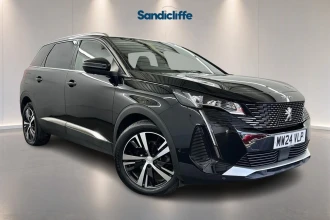
Peugeot 5008
5008 1.2 Hybrid 136 GT 5dr e-DSC6 Estate
- 2024
- 41,271 miles
- Petrol
- Automatic
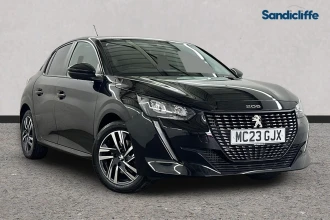
Peugeot 208
208 1.2 PureTech 100 Active Premium + 5dr Hatchback
- 2023
- 21,929 miles
- Petrol
- Manual
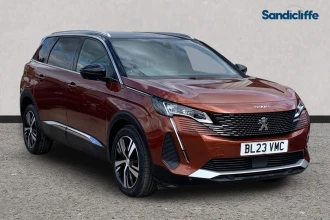
Peugeot 5008
5008 1.2 PureTech GT 5dr EAT8 Estate
- 2023
- 20,913 miles
- Petrol
- Automatic
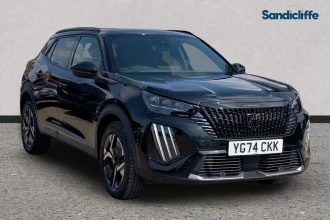
Peugeot 2008
2008 1.2 Hybrid 136 GT 5dr e-DSC6 Estate
- 2024
- 14,526 miles
- Petrol
- Automatic
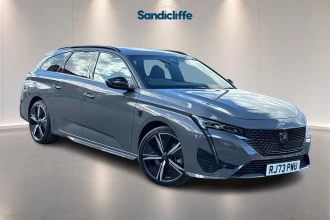
Peugeot 308
308 1.6 Plug-in Hybrid 225 GT 5dr e-EAT8 Estate
- 2023
- 16,259 miles
- Automatic


