
UK Automotive supply chain resilience post-Brexit
The UK's automotive industry has faced a rollercoaster ride since Brexit. With new trade barriers and changing regulations, car and van sales have encountered challenges that few could have predicted. As consumers, manufacturers, and dealers navigate this new landscape, the concept of supply chain resilience has taken centre stage. But what exactly does this resilience mean for the everyday car buyer or seller? It’s not just about surviving; it’s about thriving in a complex environment. From increased costs to sourcing difficulties, understanding these elements is significant. Let’s drive into the intricacies of this new reality together.
Trade Barriers and Their Impact
New Tariffs and Costs
Brexit has ushered in a new era of tariffs and customs checks that have dramatically affected vehicle pricing. Imagine trying to buy a new van only to find the price has jumped due to these added costs. It’s frustrating, isn’t it? This situation is more than just numbers on a page; it directly impacts car buyers’ wallets. Manufacturers are grappling with these expenses, which can lead to higher prices for consumers. With the fluctuations in costs, buyers must carefully consider their options and be prepared for changes in what they may need to spend to acquire their desired vehicles.
Customs Delays
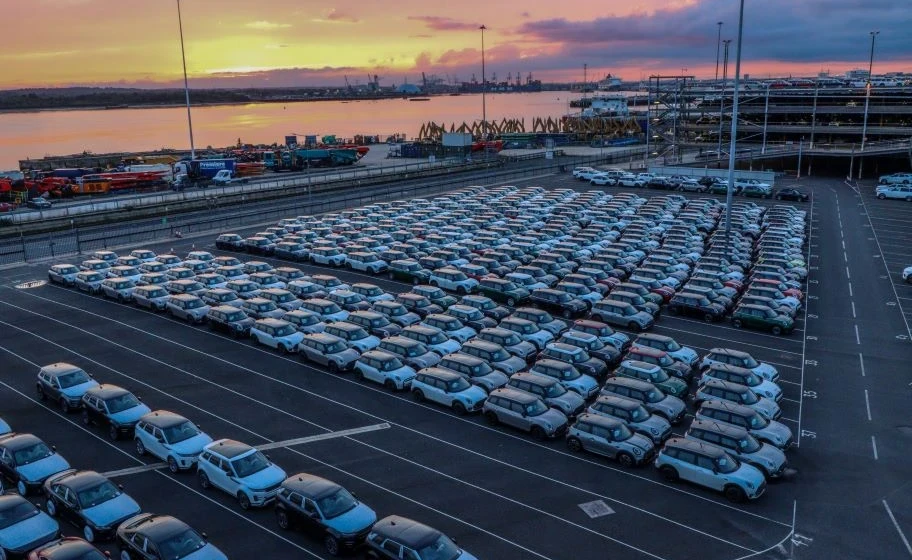
When you go to buy a car, you expect it to be there, ready for you. However, the reality post-Brexit is that customs delays have become a regular occurrence. Vehicles may take longer to reach dealerships, leading to longer wait times for eager customers. This isn’t just an inconvenience; it affects sales volumes and can dampen consumer enthusiasm. As delays become more frequent, it’s vital for buyers to stay abreast of potential wait times, ensuring that they can plan their purchases effectively.
Market Competitiveness
With rising costs, UK manufacturers might struggle to maintain their competitive edge. If you’ve been in the market for a van lately, you might have noticed that prices are climbing. If UK manufacturers cannot keep up, they risk losing customers to international brands that may offer better pricing. It’s a tough pill to swallow but worth understanding. Buyers should be aware of the evolving market landscape, giving them a better chance to make informed decisions that suit their needs and budgets.
Supply Chain Disruptions
Impact on Production
Imagine a factory assembly line stalling because parts don’t arrive on time. This is the reality for some automotive manufacturers in the UK today. Supply chain disruptions post-Brexit can lead to production slowdowns, which can mean fewer vehicles available for sale. This is particularly concerning for consumers who are looking for the latest models or specific features. Delays in production can create a ripple effect throughout the market, affecting not just availability but also pricing as demand continues to outstrip supply.
Delayed Deliveries
As delays become commonplace, customers may find themselves waiting longer for their dream vehicle. Picture this: you’ve picked out a lovely new car, but then you learn it might take weeks or even months to arrive. This situation can lead to frustration and disappointment. It’s significant for buyers to stay informed about potential delays and plan accordingly. By understanding the timelines for deliveries, consumers can make better decisions regarding their purchases and potentially look for alternatives if needed.
Sales Volumes at Risk
With production slowing and deliveries taking longer, sales volumes may dip. After all, if customers can’t get their hands on a vehicle promptly, they might turn to alternative options. For dealerships, this means adapting to a rapidly changing environment and finding ways to keep customers engaged despite the hurdles. Maintaining open communication with customers will be key to navigating these challenges, ensuring that they feel valued and informed throughout the buying process.

Component Sourcing Challenges
Sourcing from the EU
As a buyer, you may not think about where the parts of your vehicle come from, but post-Brexit, this sourcing has become complicated. The new customs procedures and potential tariffs can make procuring components from the EU more difficult. This could lead to higher costs for manufacturers, which often trickles down to consumers. Buyers should consider asking questions about sourcing and the potential implications on pricing as they navigate their purchasing decisions.
Availability Issues
When sourcing components becomes a challenge, this can impact availability. Waiting for that perfect car model because parts aren’t accessible can be disheartening. Buyers should be aware of potential shortages and consider flexibility in their choices if needed. By remaining open to different models or features, consumers can better navigate a market that may not always align with their initial preferences.
Impact on Vehicle Prices
The cost of sourcing components can significantly affect the final price of vehicles. If manufacturers face higher costs, it’s likely that you, as a consumer, will see those costs reflected in the price tag of your next purchase. Keeping an eye on industry trends is vital to understanding how this might affect your wallet. Being proactive in your research can empower you to make choices that align with your financial situation while also meeting your automotive needs.
Shifting Trade Patterns
Exploring New Markets
With the EU no longer being the sole market for UK automotive companies, manufacturers are looking beyond to diversify their operations. This shift to explore new markets can enhance resilience but brings its own set of challenges. Think of it as an adventure, but one that requires careful navigation. The willingness to adapt and explore these new avenues will be essential for both manufacturers and consumers moving forward.
Adjustments and Investments
As companies adapt to new suppliers and markets, they may need to invest significantly in logistics and relationships. This shift can lead to better supply chain resilience over time, ensuring that issues like delays can be less impactful in the future. It’s a long-term game but one that might pay off down the road. Consumers may notice changes in vehicle availability as companies align themselves with these new sources and suppliers.
Consumer Implications
For the average buyer, this means remaining open to different models or brands that may become more readily available. Understanding that the landscape is changing can help you make informed decisions when it comes time to buy your next vehicle. By keeping a flexible mindset, you can navigate any challenges that arise while still finding the right vehicle to suit your needs.
Regulatory Divergence
Changes in Standards
Brexit has led to a divergence in regulations between the UK and the EU. For buyers, this could mean new standards for safety and emissions. While these changes aim to ensure better quality products, they can also lead to confusion and complexities for both manufacturers and consumers. Staying informed about these evolving regulations is essential for making informed purchasing choices in this new landscape.
Increased Compliance Costs
Meeting different regulatory standards isn’t cheap. As manufacturers scramble to comply, these increased costs could ultimately be passed on to consumers. This situation highlights the importance of staying informed about any changes that could affect your purchase decisions. Awareness of the regulatory environment can help buyers anticipate potential changes in vehicle offerings and pricing.
Navigating Complexity
As regulatory landscapes shift, you’ll want to keep an eye on how these changes affect vehicle offerings. This could mean that some models might not be available anymore or could come with a different set of features. Knowing what to expect will help you adapt your shopping approach accordingly.
The resilience of the UK automotive supply chain post-Brexit is a multifaceted issue that affects not only manufacturers but also consumers alike. Understanding the impact of trade barriers, supply chain disruptions, sourcing challenges, shifting trade patterns, and regulatory changes is significant for anyone in the market for a new vehicle. By staying informed and adaptable, both buyers and sellers can navigate this new landscape more effectively. For those considering a new car or van, explore the fantastic range at Sandicliffe online. Your next vehicle is just a click away!