
Timing Belt vs Timing Chain: What's the Difference?
When looking after your car, you may come across the terms timing belt and timing chain. Both perform an essential job inside the engine, but they are made from different materials and have different maintenance requirements.
So, is a timing chain better than a timing belt? Does one last longer, and how do you know which one your car has?
At Sandicliffe, we know that understanding how your vehicle works can help you make informed maintenance decisions. Here's how timing belts and timing chains compare, including their lifespan, potential problems and replacement costs.
What Is a Timing Belt?
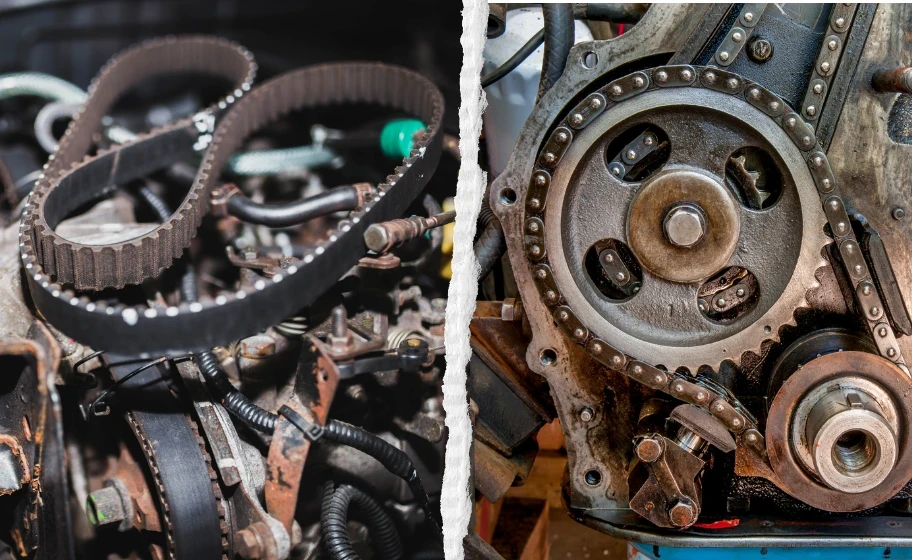
A timing belt is a reinforced rubber belt that synchronises the movement of the crankshaft and camshaft.
These components need to rotate in a precise sequence to ensure the engine's pistons and valves operate at the correct time. The timing belt keeps everything working together.
Timing belts are generally quieter than timing chains and are designed to be replaced at intervals specified by the vehicle manufacturer.
Although they are durable, the rubber material can deteriorate over time. This means they need to be replaced according to the manufacturer's recommended mileage or age interval, whichever comes first.
What Is a Timing Chain?
A timing chain performs the same job as a timing belt, but instead of reinforced rubber, it is made from metal links.
It connects the crankshaft and camshaft, maintaining the synchronisation required for the engine to operate correctly.
Timing chains are lubricated by the engine oil and are generally designed to last longer than timing belts. Many do not have a routine replacement interval in the same way as belts, although they still require maintenance and can wear or develop faults.
A timing chain is not guaranteed to last the lifetime of the vehicle. Poor maintenance, oil-related problems and general wear can all contribute to chain deterioration.
Timing Belt vs Timing Chain: The Main Differences
Although both components perform the same fundamental role, there are several differences worth understanding.
1. Material and construction
The most obvious difference is what they are made from.
A timing belt is manufactured from reinforced rubber, while a timing chain consists of metal links.
Because of this, the two components have different wear characteristics and maintenance requirements.
2. Lifespan
Timing belts have a manufacturer-specified replacement interval. This is usually based on mileage, age or both.
Timing chains are generally designed to last longer and may not have a scheduled replacement interval. However, they can stretch, wear or develop problems with their tensioning components.
The lifespan of either component depends on the engine design, driving conditions and how well the vehicle is maintained.
3. Noise
Timing belts generally operate more quietly than timing chains.
Metal chains can produce more mechanical noise, particularly as they wear or if their tensioning system develops a problem.
However, modern engine designs have made significant improvements in reducing noise, so this difference is not always noticeable during everyday driving.
4. Maintenance requirements
Timing belts need to be replaced according to the manufacturer's schedule, even if there are no obvious signs of wear.
Timing chains usually require less scheduled attention, but they rely on clean engine oil to lubricate their moving parts.
Regular oil changes are therefore particularly important for engines with timing chains. Using the correct oil specification and maintaining the recommended service intervals can help protect the chain and its associated components.
5. Replacement costs
The cost of replacing either component depends on the vehicle and the amount of labour involved.
Timing belt replacement is a planned maintenance expense, and the price may include associated components such as tensioners and the water pump where appropriate.
Timing chain replacement can be more expensive because accessing the chain may require significant engine dismantling. However, it is not a routine expense for every vehicle with a chain.
Is a Timing Chain Better Than a Timing Belt?
It is easy to assume that a timing chain is automatically better because it is metal and generally lasts longer.
However, neither design is universally superior. Both have advantages and potential drawbacks.
A timing belt is quieter and has a predictable replacement schedule. Provided it is replaced at the correct interval, it can provide reliable operation throughout its intended service life.
A timing chain is generally designed for longer-term use and does not usually require routine replacement at fixed mileage intervals. However, it relies on good lubrication and can still develop wear-related problems.
The reliability of the complete engine design matters much more than simply whether it uses a belt or chain.
Can a Timing Chain Stretch?
Yes. Although timing chains are made from metal, they can develop wear over time.
The pins and joints within the chain can wear, increasing the chain's effective length. This is commonly described as chain stretch.
As the chain wears, engine timing can become less accurate. If the problem becomes severe, the chain may skip a tooth or fail, potentially causing serious engine damage.
A worn timing chain may produce symptoms such as:
A rattling noise, particularly when starting the engine.
Rough running or engine misfires.
Difficulty starting.
An engine warning light.
Reduced engine performance.
These symptoms can have other causes, so they should be investigated rather than automatically attributed to the timing chain.
How Important Are Oil Changes for Timing Chains?
Engine oil is particularly important for vehicles fitted with timing chains.
The chain and its associated components rely on engine oil for lubrication. If oil is neglected, contaminated or at an insufficient level, wear can increase.
Many timing chain systems also use hydraulic tensioners, which rely on oil pressure to maintain the correct chain tension.
This means failing to change the oil at the recommended intervals can contribute to problems with the timing chain system.
Always use the oil specification recommended by your vehicle manufacturer and keep up with scheduled servicing.
How Do You Know Whether Your Car Has a Timing Belt or Chain?
The easiest way to find out is to check your vehicle handbook or manufacturer's technical information.
You can also ask a dealership or qualified technician to identify the engine's timing system using your vehicle details.
Do not assume that every model from the same manufacturer uses the same setup. Different engines, model years and engine variants can use different timing systems.
It is also worth remembering that some engines use a wet timing belt, which operates inside the engine and is lubricated by the engine oil.
Summary: Timing Belt vs Timing Chain
Timing belts and timing chains perform the same job, synchronising the crankshaft and camshaft so your engine operates correctly. Timing belts are generally quieter but require scheduled replacement, while timing chains are usually designed to last longer but can still wear and need attention. Neither is automatically better, and both depend on proper maintenance. If you're unsure which system your car uses or what maintenance it needs, visit your local Sandicliffe dealership for advice.











Ford Transit Custom
Transit Custom V710 Limited Van 300 L1 2.0L EcoBlue 136PS FWD 8 Speed Automatic
- 2024
- 15,703 miles
- Diesel
- Automatic
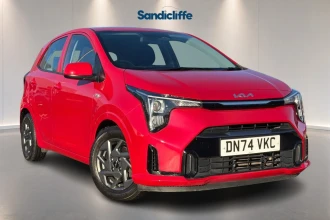
Kia Picanto
Picanto 1.0 2 5dr Hatchback
- 2024
- 14,081 miles
- Petrol
- Manual
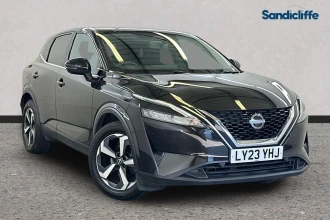
Nissan Qashqai
Qashqai 1.3 DiG-T MH 158 N-Connecta 5dr Xtronic Hatchback
- 2023
- 38,021 miles
- Petrol
- Automatic

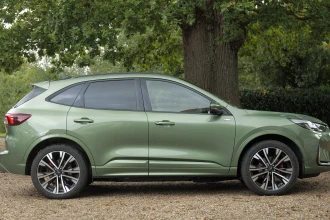
Ford Kuga
Kuga ST-Line X 5 door 2.5L Duratec PHEV 243PS FWD CVT Automatic
- 2026
- 1,634 miles
- Automatic

Kia Stonic
Stonic 1.0T GDi 99 2 5dr Estate
- 2023
- 32,888 miles
- Petrol
- Manual