

The Complete First Time Car Buyer's Guide

For first-time car buyers in the UK, it is vital to set a realistic budget, understand your finance options, compare new and used vehicles, and factor in ongoing costs. Learning about these areas helps you make confident decisions and enjoy the process. Read on for practical tips.
This guide is here to help you make sense of the car-buying journey in the UK. It walks you through budgeting, choosing between new and used cars, picking the right fuel type, understanding finance, running costs and after-sales support. You will also find tips on electric vehicles and what to expect in the future of driving, so your first car purchase is as smooth and straightforward as possible.
Buying your first car is a big milestone, and it is normal to feel both excited and a bit nervous. The best approach is to take your time, do your research and ask questions. Think about your needs, your budget and how you will use the car day to day. Whether you are looking at petrol, hybrid or electric, there is a lot of choice out there. The right car is the one that fits your lifestyle and gives you peace of mind. At Sandicliffe, first-time buyers are a regular part of the business, and the usual recommendation is a test drive and a clear conversation about finance before making any decisions.
How should I budget and finance my first car?
What costs should I include in my car budget?
When planning your first car purchase, look beyond the sticker price. Your budget should cover:
· Insurance
· Fuel
· Maintenance
· Road tax
· MOT
For example, if you set aside £200 per month for your car, make sure this covers all these costs, not just the monthly payment.
What are the main finance options for first-time buyers?
Most first-time buyers in the UK choose from Personal Contract Purchase (PCP), Hire Purchase (HP) or a personal loan. Each has its own pros and cons:
Finance option | Typical deposit | Example monthly cost (£10,000 car) | Ownership outcome | Credit score sensitivity |
PCP | £1,000-£2,000 | £140-£180 | Option to buy or return | High |
HP | £1,000-£2,000 | £190-£210 | Own after final payment | Medium |
Personal loan | £0-£1,000 | £180-£220 | Own from day one | High |
PCP appeals to many first-time buyers because of the lower monthly payments and the option to upgrade the car again after a few years.
How does your credit score affect car finance?
Your credit score can change how much you pay each month. For example, with a £10,000 car:
· Good credit (APR 6%): PCP monthly payment could be £160
· Lower credit (APR 12%): PCP monthly payment could be £190
Always check your credit report before applying for finance. Improving your score can save you money.
What are some practical negotiation tips at a dealership?
· "Is there any flexibility on the price or deposit today?"
· "Can you include a service plan or extended warranty at this price?"
· "Are there any current offers for first-time buyers?"
Ready to take the next step? You can get a free finance quote online today.
Should I buy new, used or nearly new for my first car?
What are the pros and cons of new, used and one-year-old cars?
Option | Avg. price (£) | Depreciation year 1 | Typical warranty | Pros | Cons |
£18,000+ | 20-30% | 3-7 years | Latest tech, full warranty | High price, fast depreciation | |
1-year-old | £13,500-£16,000 | 10-15% | 2-6 years | Good value, nearly new | Limited choice |
Used (3+ yrs) | £7,000-£13,000 | 5-10% | Varies | Lower cost, slower depreciation | Shorter warranty, more wear |
A one-year-old hatchback can save several thousand pounds compared to buying new, while still offering nearly all the latest features.
How do I choose the right fuel type for my driving habits?
· Mostly city driving (under 30 miles/day): Electric or hybrid (EVs offer 180-300 miles per charge)
· Regular long journeys (over 200 miles/week): Petrol or diesel (petrol: 40-50 mpg, diesel: 50-60 mpg)
· Mixed use: Hybrid or efficient petrol
If you only drive short distances, an electric car could save you money on fuel and maintenance.

What is the best way to research and buy my first car?
How does visiting a dealership help first-time buyers?
Dealerships offer expert advice, a wide choice of cars and peace of mind with warranties and checks. Test driving a few different models at a dealership is a good way to find the right fit before committing.
How can I use online tools to make car buying easier?
Start by browsing cars online, comparing prices and reading reviews. Many dealerships, including Sandicliffe, let you get finance quotes, book a test drive and chat with experts online. This way, you can do your homework before stepping into a showroom.
What are the benefits of blending online and in-person shopping?
Combining online research with a visit to the dealership gives you the best of both worlds. You can shortlist cars at home, then see them in person, ask questions and take a test drive. Try our online store to explore your options and book your visit.
What running costs and after-sales support should I expect?
How much will I spend on insurance and running costs?
Typical annual running costs for a UK car owner (based on 7,100 miles per year):
· Insurance: £900-£1,200
· Fuel: £1,000-£1,500
· Maintenance and repairs: £600-£800
· Road tax: £180-£300
· MOT: £55
That is about £2,700-£3,500 per year, or £225-£290 per month.
How can I keep running costs down?
Shop around for insurance, keep your car serviced and drive smoothly to save fuel. Regular servicing helps avoid expensive repairs later. Booking a fixed-price service plan can make costs more predictable.
What after-sales support should I look for?
After-sales support can include service plans, extended warranties and MOT reminders. Choose a dealership that offers clear information and support after your purchase. For peace of mind, look for options like courtesy cars and digital service booking.
Is now a good time to buy an electric car in the UK?
What are the benefits and costs of electric vehicles (EVs)?
EVs are cheaper to run (about 3p per mile for electricity), have fewer moving parts to maintain and are exempt from road tax until 2025. Government grants, such as the Plug-in Car Grant (check current eligibility), can lower the upfront cost by up to £3,750.
How easy is it to charge an electric car?
Charger type | Location | Charge time (to 80%) | Typical range (miles) |
7kW home charger | Home | 6-8 hours | 180-300 |
50kW rapid | Public | 40-60 minutes | 180-300 |
150kW ultra rapid | Public | 20-30 minutes | 180-300 |
Check if you have easy access to home or public charging before choosing an EV.
What is the future of EVs in the UK?
The UK is aiming for 100% zero-emission new car sales by 2035. Over 2 million electric cars are now on UK roads, and public charging points are increasing every month. Switching to an EV now means getting ahead of that curve.
How do sustainability and future mobility trends affect first-time buyers?
Why does sustainability matter when buying a car?
The UK car industry is cutting emissions and using more recycled materials. Choosing a fuel-efficient or electric car helps the environment and can save you money in the long run. Many dealerships are also improving their own green practices.
What should I know about future mobility trends?
Cities are adding more cycle lanes, car-sharing and public transport options. In the future, drivers might use a mix of transport for their journeys. Buying a car that is flexible and efficient will help you adapt as things change.
How can I support sustainable car buying?
Look for dealerships and brands that invest in recycling, energy efficiency and community projects. Supporting these businesses helps drive positive change in the industry.
Want to see eco-friendly cars in action? Book a test drive today.
Ready to start your car-buying journey?
Buying your first car is a big step, but you do not have to do it alone. At Sandicliffe, our online store has a wide range of vehicles, expert advice and simple finance tools to help you every step of the way. Visit us online today and find the perfect car for your needs.
Frequently asked questions
What documents do I need to buy my first car?
You will need a valid driving licence, proof of address, proof of income (if applying for finance), and insurance before you drive away.
How much should I spend on my first car?
A good rule is to keep your total monthly car costs under 15% of your take-home pay. Include insurance, fuel, maintenance, tax and finance payments.
Is it better to buy from a dealership or a private seller?
Dealerships offer more protection, warranties and after-sales support. Private sellers may offer lower prices but less security.
What is the difference between PCP and HP finance?
PCP usually has lower monthly payments and lets you choose to buy or return the car at the end. HP means higher payments but you own the car after the last payment.
How do I check a used car's history?
Ask for a full service history and use an online vehicle check (like HPI or Experian) to look for outstanding finance or past accidents.
How often should I service my car?
Most cars need a service every 12 months or 12,000 miles, whichever comes first. Check your car's manual for details.
Are electric cars expensive to run?
Electric cars are usually cheaper to run than petrol or diesel cars, with lower fuel and maintenance costs. Charging at home is the cheapest option.
What is the Plug-in Car Grant and am I eligible?
The Plug-in Car Grant offers up to £3,750 off new electric cars under £37,000. Check the latest government website for current eligibility and scheme details.
Can I part exchange my old car as a first-time buyer?
If you already have a car, most dealerships will offer a part exchange. They will value your car and deduct this from the price of your new one.
Do I need to pay road tax on my first car?
Most cars need road tax, but some electric vehicles are exempt until 2025. Check the car's emissions and current rules before buying.




Recently Added Vehicles
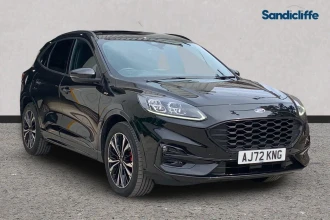
Ford Kuga
Kuga 2.0 EcoBlue ST-Line X 5dr 8Spd Auto 190PS
- 2023
- 28,500 miles
- Diesel
- Automatic


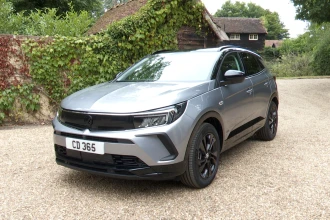
Vauxhall Grandland
Grandland 1.2 Turbo Ultimate 5dr Hatchback
- 2023
- 26,013 miles
- Petrol
- Manual
Vauxhall Grandland
Grandland 1.2 Turbo Ultimate 5dr Hatchback
- 2023
- 23,959 miles
- Petrol
- Manual


