

The Best Bike Racks for Cars: Roof, Towbar & Boot Guide
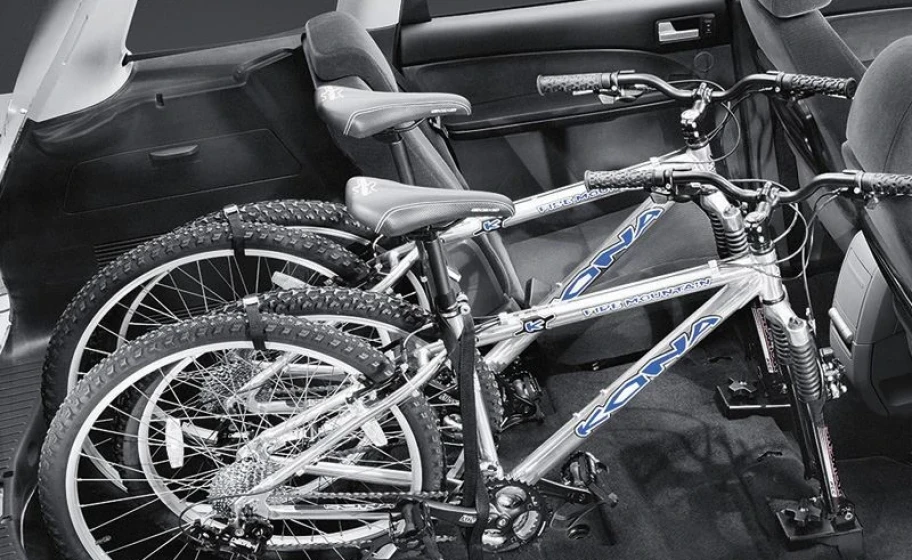
What should I consider when choosing a bike rack for my vehicle? The best bike rack depends on your vehicle, the type of bikes you own, how often you travel, and your budget. Understanding the main types, weight limits and safety rules will help you pick the right carrier for your adventures.
Bike racks for cars can make cycling trips so much easier, whether you’re off to the countryside or just heading to a local trail. With so many options out there, it can feel a bit overwhelming to choose the right one for your vehicle. I remember the first time I tried loading my bike for a family holiday – it was a real puzzle! In this guide, we’ll break down the main types of bike carriers, including roof-mounted, towbar-mounted and boot-mounted racks, and share tips on safety, installation and the latest trends, so you can travel with confidence.
Expert Opinion: Choosing the right cycle carrier can make your journeys much smoother. In my experience, it’s worth thinking about how often you’ll use your rack, and what kind of bikes you need to carry. If you have an e-bike, check the rack’s weight rating in kilograms and pounds. Always double-check your number plate is visible, and consider professional fitting if you’re unsure. A good-quality rack, fitted properly, makes transporting your bike safe and stress-free. At Sandicliffe, we see that customers who invest in the right bike carrier enjoy more cycling trips and peace of mind on the road.
What types of bike racks for cars are available?
There are three main styles of bicycle racks for vehicles, each with their own strengths. Here’s a quick comparison:
Rack Type | Typical Weight Capacity (kg/lb) | Ease of Loading | Best for | Typical Price Range (£) |
15–20 kg (33–44 lb) per bike | Medium | Light bikes, roof rails | 80–250 | |
30–60 kg (66–132 lb) total | High | Multiple/e-bikes | 150–500 | |
15–30 kg (33–66 lb) total | Low | Occasional use, budget | 40–120 |
Roof-mounted racks: use cases
Roof-mounted bike carriers are great if you have a vehicle with roof rails and want to keep your boot free. They’re ideal for lightweight bikes and for people who don’t mind lifting their bikes overhead. Just remember to check your vehicle’s overall height before entering a garage.
Pros:
- Keeps boot space clear
- Can carry multiple bikes with extra mounts
- Stable at higher speeds
Cons:
- Harder to load heavy bikes
- Increases vehicle height
- Can be tricky for shorter users
Towbar-mounted racks: use cases
Towbar-mounted racks (also called towbar bike carriers) are perfect for families or anyone carrying several bikes, including e-bikes. They’re easy to load since they sit low, and most tilt away for boot access.
Pros:
- Handles heavy bikes (up to 60 kg/132 lb total)
- Simple loading and unloading
- Boot access with tilt feature
Cons:
- Requires a towbar
- Higher upfront cost
- May obscure number plate if not fitted with a plate holder
Boot-mounted racks: use cases
Boot-mounted racks (sometimes called strap-on or rear-mounted racks) are the most affordable and fit a wide range of vehicles. They’re handy for occasional cyclists or those on a budget.
Pros:
- Budget-friendly
- Fits many vehicles
- Quick to install and remove
Cons:
- Lower weight limits
- May scratch paint if not fitted carefully
- Less stable at motorway speeds
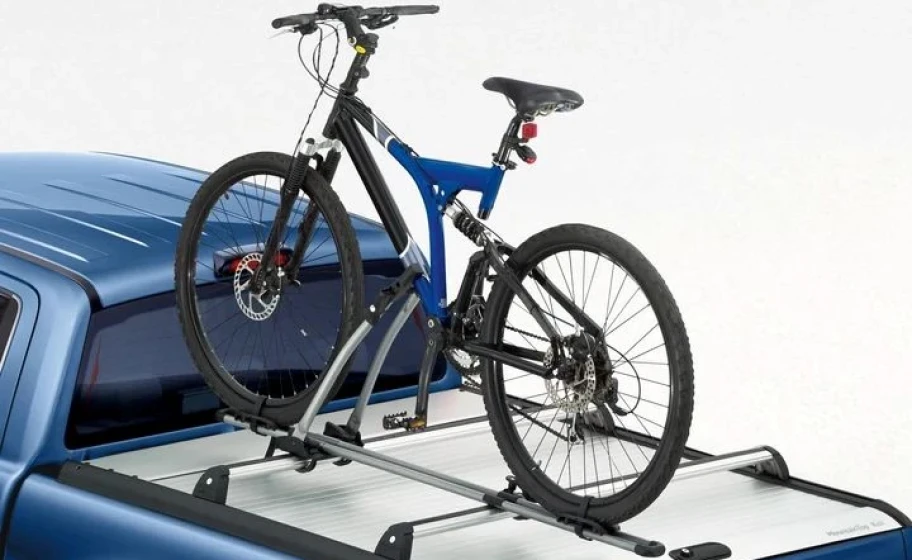
Which bike racks work best for e-bikes?
Weight and mounting needs
E-bikes are heavier than regular bikes, usually weighing 23–32 kg (50–70 lb). Standard racks often can’t handle this extra weight, so it’s important to choose a rack designed for e-bikes.
Best rack features for e-bikes
Look for:
- Weight capacity of at least 27 kg (60 lb) per bike
- Wheel trays or adjustable arms for secure fit
- Low loading height (towbar racks are best)
- Strong, stable mounting points
I once struggled to lift my heavy e-bike onto a roof rack – a towbar-mounted carrier made all the difference! Always check your e-bike’s weight and compare it to the rack’s limit.
Quick checklist for e-bike racks:
- Check rack’s maximum weight per bike in kg and lb
- Ensure rack fits your frame and wheel size
- Prefer racks with ramps or low height for easy loading
How do safety and legal rules affect bike transport?
Why proper installation matters
A poorly fitted bike rack can cover your number plate or lights, which is illegal in the UK and could result in fines up to £5,000. Always follow fitting instructions or ask for expert help.
Key safety tips
- Never cover your number plate or rear lights
- Use racks with built-in number plate holders when needed
- Double-check all straps and fixings before every trip
Simple installation and safety checklist:
Read the rack’s instructions fully
Check your vehicle and rack weight limits (in kg and lb)
Fit the rack securely to roof, towbar or boot
Attach bikes, balancing weight evenly
Make sure number plate and lights are visible
Test for movement before driving
Re-check fixings after a few miles
What are the current trends and who buys bike racks?
Latest trends in bike carriers
- More people are choosing racks that work with e-bikes and heavier cycles
- Easy installation and security features are in demand
- Versatility is key: racks that fit different vehicle types are popular
Main customer groups
- Families with several bikes
- E-bike owners
- Commuters and city cyclists
- Occasional leisure riders
- Budget-conscious buyers
Stocking suggestions for Sandicliffe
- Offer a mix of premium towbar racks and affordable boot carriers
- Highlight racks with e-bike compatibility
- Provide clear advice and after-sales support to help customers choose
How should I install and maintain a bike rack?
Proper installation and care will keep your cycle carrier safe and long-lasting.
Quick installation checklist:
Choose the right rack for your vehicle and bike type
Check the rack’s weight limit (kg/lb) matches your bike
Fit the rack according to instructions
Attach bikes securely with straps or clamps
Ensure number plate and lights are visible
Double-check all fixings before each journey
Store rack indoors when not in use to prevent rust
If you’re unsure, Sandicliffe offers professional fitting and after-sales service. We’re always happy to help you get set up safely.
Ready for your next cycling adventure?
Finding the right bike carrier makes your journeys easier and safer. Whether you choose a roof, towbar or boot rack, think about your needs and check the fit. If you need advice or want to see our range, visit Sandicliffe – we’re here to help you get moving.
Frequently Asked Questions
Can I carry an e-bike on a roof rack? Most roof racks aren’t strong enough for e-bikes, which are heavy. Use a towbar-mounted rack designed for e-bikes instead.
How much weight can common racks carry? Roof racks usually hold 15–20 kg (33–44 lb) per bike. Towbar racks can carry up to 60 kg (132 lb) total. Always check the rack’s manual.
Do I need a towbar to use a towbar rack? Yes, towbar-mounted racks require a towbar fitted to your vehicle.
How do I keep my number plate visible? Use racks with a built-in number plate holder or buy a separate plate board. Make sure lights aren’t blocked.
What is the average cost of a decent bike rack? Prices range from £40 for basic boot racks to £500 for premium towbar racks. Most good-quality racks cost £80–£250.
How do I measure my car for compatibility? Check your vehicle’s manual for roof rail or towbar specs. Measure the width of your boot or roof and compare to the rack’s fitting guide.
Latest Offers At Sandicliffe





Sandicliffe Approved Used
Nissan Qashqai
Qashqai 1.3 DiG-T MH 158 N-Connecta 5dr Xtronic Hatchback
- 2023
- 38,021 miles
- Petrol
- Automatic
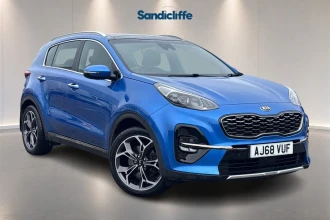
Kia Sportage
Sportage 1.6 CRDi ISG GT-Line S 5dr DCT Auto Estate
- 2018
- 89,000 miles
- Diesel
- Automatic
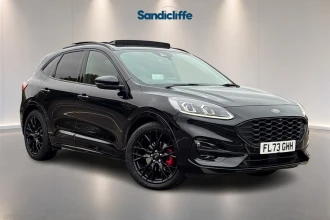

Mazda CX-60
Cx-60 2.5 PHEV Exclusive-Line 5dr Auto Estate
- 2023
- 44,681 miles
- Automatic
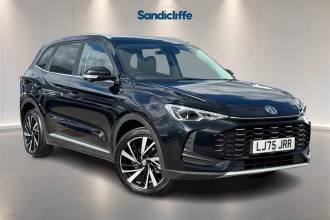

Volkswagen Golf
Golf 2.0 TSI R 5Dr Hatchback
- 2014
- 83,701 miles
- Petrol
- Manual
Changan Deepal S07
Deepal S07 160kW Ultra 80kWh 5dr Auto Estate
- 2025
- 14,314 miles
- Electric
- Automatic
Ford Kuga
Kuga ST-Line X Edition 5 door 2.5L Duratec FHEV 190PS FWD CVT Automatic
- 2023
- 33,835 miles
- Petrol Hybrid
- Automatic


