
SUV vs Estate: Which Body Style Is Right for You?
Choosing between an SUV and an Estate car requires a clear understanding of their technical attributes, performance, and suitability for your needs. This comparative analysis provides a detailed, data driven evaluation of both body styles, focusing on design, interior practicality, engine options, efficiency, pricing, and real-world user feedback. By reading this article, you will gain precise insights to inform your next vehicle purchase, ensuring your selection aligns with your driving habits, budget, and lifestyle requirements.
Exterior design
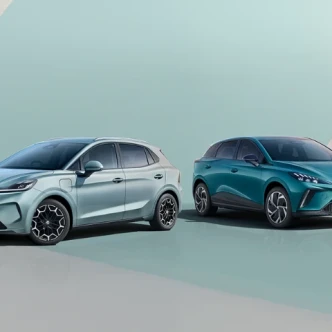
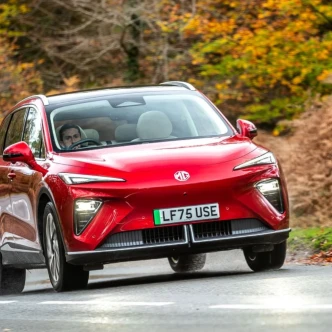
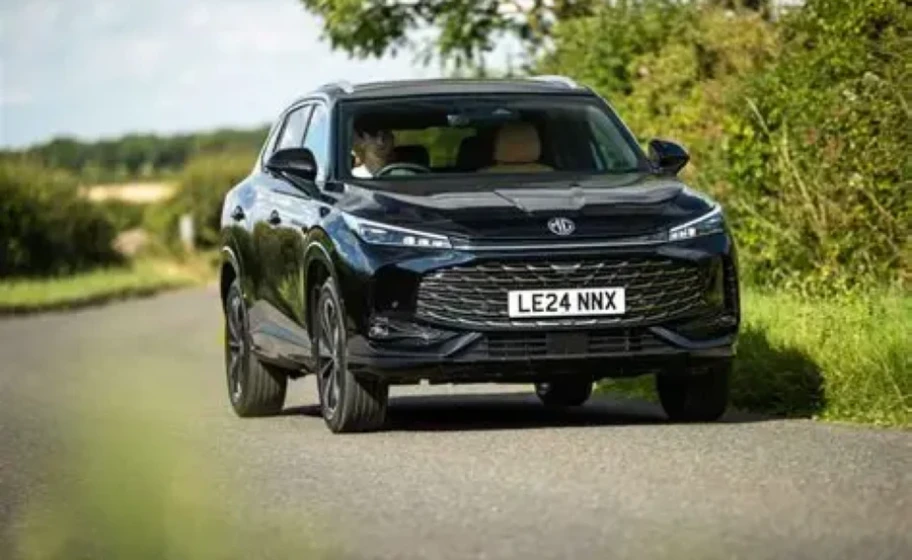
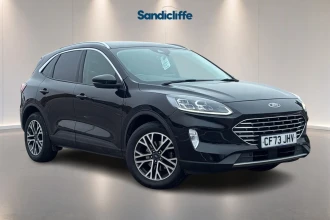
SUVs in the UK are distinguished by their elevated stance, robust dimensions, and commanding road presence. Contemporary models frequently have full-width LED lighting, illuminated badges, and aerodynamic enhancements such as frameless grilles and reduced overhangs. Wheel sizes can extend up to 21 inches, with finishes including gloss black and diamond-cut aluminium. The overall design language aims to project versatility and strength, often with elements that support off-road capability.
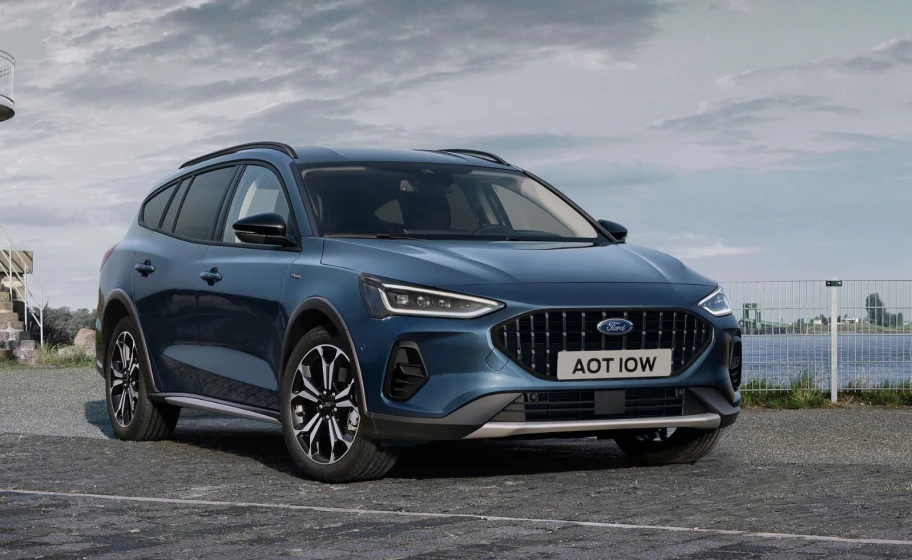
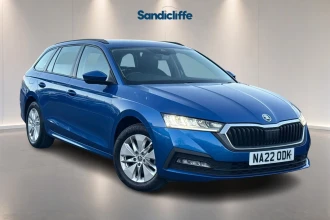
By contrast, estate cars are defined by a lower, elongated roofline, focusing on aerodynamic efficiency and understated elegance. Modern estates, for example the Skoda Superb Estate, combine a sleek silhouette with distinctive grilles and smooth contours. Premium offerings deliver a harmonious balance of style and practicality, frequently matching or even surpassing SUVs in terms of visual sophistication. Estates typically present a more discreet profile, emphasising balanced proportions and functional aesthetics.
Interior design
SUV interiors are characterised by a raised seating position, improving visibility and imparting a sense of security. These vehicles often provide flexible cabin layouts, with many models offering adjustable seating and substantial boot capacities. For instance, the Skoda Kodiaq offers up to 910 litres of boot space in its five-seat configuration, while compact SUVs like the Toyota RAV4 Hybrid provide around 580 litres. Advanced infotainment systems, digital displays, and high-quality materials are increasingly standard, particularly in luxury variants.
Estate cars place a premium on practicality and comfort, offering spacious interiors and generous boot volumes. The Skoda Superb Estate leads with a 690-litre boot (510 litres in hybrid form), while the Volkswagen ID.7 Tourer provides 545 litres, expandable to over 1,700 litres with the rear seats folded. Rear passenger space is typically ample, and lower window lines can enhance visibility for younger passengers. Interiors in estates such as the BMW 3 Series Touring or Audi RS6 Avant have premium materials, digital instrument clusters, and ergonomic layouts, earning praise for their usability and cargo accessibility.
Engine and performance
SUVs are available with a broad spectrum of powertrains, including petrol, diesel, hybrid, and electric options. High-performance models, such as the Lamborghini Urus (4.0-litre V8, 650bhp) or Mercedes GLC 63 AMG (510hp V8), deliver rapid acceleration, with 0-62mph achievable in under 4 seconds. Mainstream variants, like the Skoda Kodiaq 1.5-litre petrol, focus on smooth and dependable power delivery for everyday driving. Hybrid and plug-in hybrid (PHEV) systems are increasingly prevalent, offering electric-only driving for short journeys and reduced emissions.
Estate cars also provide an extensive selection of engines. High-performance estates, such as the Audi RS6 Avant (4.0-litre V8, 621bhp) or BMW M3 Touring (503bhp), can reach 0-62mph in as little as 3.4 seconds, rivalling many sports cars. Plug-in hybrids, such as the Mercedes-AMG C63 S Estate, combine efficient four-cylinder engines with electric motors to deliver both power and improved efficiency. Mainstream estates, like the Skoda Octavia vRS, offer brisk acceleration (0-62mph in 6.5 seconds) alongside a range of economical engine choices.
Fuel consumption and efficiency
SUVs have made significant strides in efficiency, particularly with the advent of hybrid and PHEV technologies. Compact hybrid SUVs, such as the Toyota Yaris Cross Hybrid and Kia Niro Hybrid, can achieve up to 64mpg (real-world figures typically between 48 and 58mpg). Larger hybrids like the Toyota RAV4 Hybrid deliver around 50mpg, while PHEV SUVs may claim up to 282.5mpg under optimal conditions. Diesel SUVs, such as the Peugeot 5008, offer up to 60.8mpg. Nevertheless, the increased weight and frontal area of SUVs usually result in higher fuel consumption compared to similarly powered estates.
Estate cars are generally more efficient, benefiting from lower ride heights and superior aerodynamics. PHEV estates, such as the Mercedes C-Class Estate, can achieve up to 404mpg (with a claimed 68-mile electric range), and the Volvo V60 PHEV up to 353mpg. Conventional hybrids, like the Toyota Corolla Touring Sports, return approximately 61mpg. Diesel estates, such as the SEAT Leon Estate, can reach up to 63.8mpg. Even petrol estates, such as the Skoda Octavia Estate 1.5-litre, can deliver up to 50mpg, making estates particularly economical for long-distance journeys.
Price
In the UK, SUVs tend to command higher purchase prices than estates, reflecting their size, versatility, and market demand. Entry-level compact hybrid SUVs, such as the Toyota Yaris Cross Hybrid, start from around £27,000, with larger models like the Skoda Kodiaq beginning at £39,045. Used SUVs can be found from under £20,000, with efficient models such as the 2016-2018 Toyota RAV4 Hybrid priced at approximately £18,000. Luxury and performance SUVs may exceed £50,000, with examples like the Maserati Levante Trofeo at £55,880.
Estate cars are generally more accessible in terms of cost. New models like the Skoda Octavia Estate start from £22,678, and the Skoda Superb Estate from £29,992. Electric estates, such as the Volkswagen ID.7 Tourer, begin at £49,173. The used market offers a wide selection, with a 2019 SEAT Leon Estate available at £13,990 and a 2022 Skoda Octavia Estate at £16,490. Entry-level used estates can be purchased for under £1,000. Overall, estates present lower entry and running costs compared to equivalent SUVs.
Driving experience
SUVs offer a raised driving position, which many drivers find reassuring and confidence-inspiring. Modern SUVs are engineered for comfort and refinement, with luxury models providing quiet, smooth rides. Performance SUVs, such as the Bentley Bentayga or Lamborghini Urus, deliver dynamic handling and impressive acceleration, while mainstream models prioritise comfort and versatility. Some SUVs retain genuine off-road ability, featuring selectable driving modes and advanced traction systems. However, the higher centre of gravity can impact handling relative to lower vehicles.
Estate cars are often celebrated for their superior driving dynamics, thanks to a lower centre of gravity and car-like handling characteristics. They tend to be more agile and responsive, making them ideal for both city driving and extended motorway travel. The BMW 3 Series Touring and Skoda Superb Estate are particularly noted for their refined ride quality and engaging handling. Performance estates offer sports-car levels of driver engagement without compromising on practicality. Estates are typically the preference for those who value driving enjoyment and comfort above off-road prowess.
Customer reviews and ratings
SUVs perform well in UK reliability surveys, with family SUVs averaging 93.4% in recent What Car? data. Hybrid systems from brands such as Toyota and Kia are especially praised for their dependability, and many mainstream SUVs are trusted by mechanics for their reliability. Families appreciate the elevated seating, adaptable interiors, and enhanced visibility. Some users, however, cite higher running costs and larger exterior dimensions as potential drawbacks.
Estate cars consistently receive high marks for practicality, reliability, and value. Models such as the Skoda Octavia Estate and Toyota Corolla Touring Sports are highly rated for boot space and comfort. Estates are favoured by families and pet owners due to their accessible cargo areas and spacious cabins. They are regarded as a practical alternative to SUVs, especially for those seeking lower running costs and a more traditional driving experience.
Final verdict: Estate or SUV?
On average, Estate cars offer superior fuel efficiency, lower purchase and running costs, and better driving dynamics compared to SUVs, making them the optimal choice for most UK buyers prioritising practicality and economy. SUVs, however, provide a commanding driving position, greater versatility, and enhanced off-road capabilities, which may be preferable for those with specific needs or preferences. For tailored advice on which vehicle best suits your requirements, contact the Sandicliffe team for expert, data-driven guidance.
Latest New Car Offers









Approved Used Vehicles

Ford Puma
Puma Gen-E Premium 5 Door 46.8 kWh Standard Range 1 Speed Automatic
- 2026
- 1,395 miles
- Electric
- Automatic
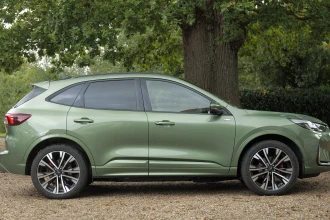
Ford Kuga
Kuga ST-Line X 5 door 2.5L Duratec PHEV 243PS FWD CVT Automatic
- 2026
- 1,634 miles
- Automatic
Kia Stonic
Stonic 1.0T GDi 99 2 5dr Estate
- 2023
- 32,888 miles
- Petrol
- Manual
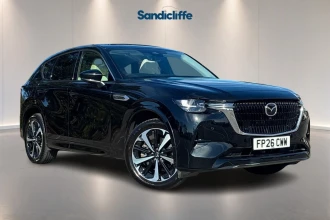
Mazda CX-60
Cx-60 2.5 PHEV Takumi Plus 5dr Auto Estate
- 2026
- 7,001 miles
- Automatic
Skoda Octavia
Octavia 1.0 TSI e-TEC SE 5dr DSG Estate
- 2022
- 53,404 miles
- Petrol
- Automatic