
How to Jump Start a Car Safely
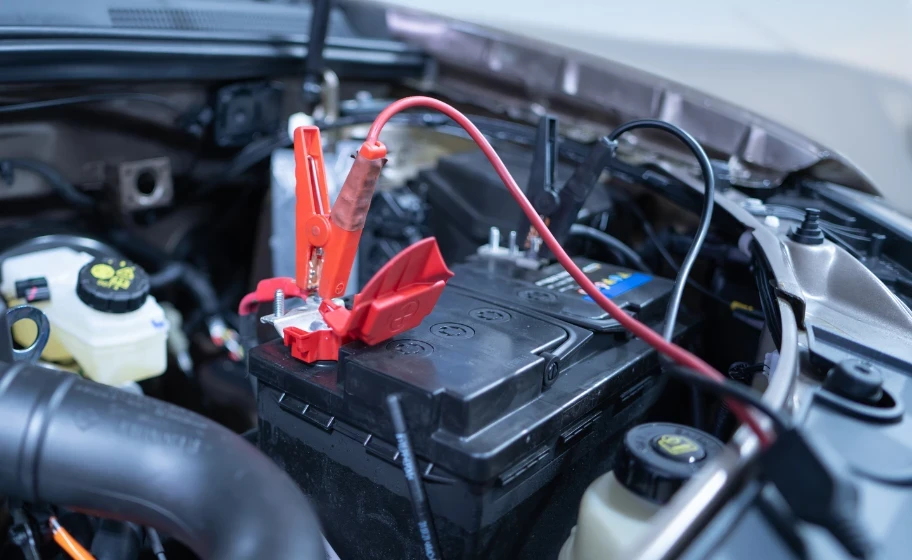
A flat car battery can happen at the most inconvenient time, whether you've left your lights on overnight, haven't driven your car for a while or the colder weather has taken its toll. Fortunately, knowing how to jump start a car can help you get back on the road without immediately needing a replacement battery.
At Sandicliffe, we know how important it is to keep your vehicle reliable. In this guide, we'll explain how to jump start a car safely using jump leads, what equipment you'll need and the precautions you should take before getting started.
What Do You Need to Jump Start a Car?
Before attempting to jump start your vehicle, you'll need a few things:
A second vehicle: This should have a compatible 12-volt battery and be suitable for jump starting your car.
A set of jump leads: These are heavy-duty cables with red and black clamps at either end.
Protective equipment: Gloves and eye protection are sensible precautions.
Your vehicle handbook: Always check the manufacturer's instructions, as some vehicles have specific jump-starting points or procedures.
You can also use a portable jump starter instead of another vehicle. These compact battery packs are designed to provide enough power to start a car with a flat battery, without needing a second vehicle.
How to Jump Start a Car Using Jump Leads
If you're using another vehicle to jump start yours, it's important to connect the leads in the correct order. Incorrect connections can cause electrical damage, sparks or injury.
Follow these steps carefully.
1. Position the Vehicles Safely
Park the working vehicle close enough for the jump leads to reach both batteries, but make sure the vehicles are not touching.
Switch off both engines, remove the keys and apply the handbrakes. Put both vehicles in neutral if they have manual gearboxes, or park if they have automatic gearboxes.
Switch off all electrical equipment, including headlights, heating, radios and interior lights.
2. Connect the Red Jump Lead
Take the red jump lead and connect one end to the positive (+) terminal of the flat battery.
Connect the other end of the red lead to the positive (+) terminal of the working battery.
The positive terminal is usually marked with a plus sign and may have a red cover.
3. Connect the Black Jump Lead
Connect one end of the black jump lead to the negative (-) terminal of the working battery.
Connect the other end to a suitable unpainted metal earthing point on the vehicle with the flat battery, away from the battery itself and moving engine components.
Check your vehicle handbook for the recommended earthing point. Avoid connecting the final clamp directly to the negative terminal of the flat battery unless the manufacturer specifically instructs you to do so.
4. Start the Working Vehicle
Start the engine of the vehicle with the working battery and allow it to run for a few minutes.
If the vehicle manufacturer recommends a different procedure, follow its instructions.
5. Start the Vehicle With the Flat Battery
Try starting the vehicle with the flat battery.
If it doesn't start straight away, wait a few minutes before trying again. Avoid repeatedly turning the engine over for long periods, as this can put additional strain on the starter motor and batteries.
If the vehicle still won't start after a few attempts, stop and seek professional assistance. The battery may be too discharged, faulty or there may be another problem.
6. Disconnect the Jump Leads
Once the vehicle has started, leave both engines running briefly, then disconnect the leads in the reverse order to which they were connected:
Remove the black clamp from the earthed metal point on the vehicle that was flat.
Remove the black clamp from the working battery's negative terminal.
Remove the red clamp from the working battery's positive terminal.
Remove the red clamp from the previously flat battery's positive terminal.
Keep the clamps apart while disconnecting them and make sure they don't touch each other or any metal parts of the vehicles.
Can You Jump Start a Car Without Another Car?
Yes. A portable jump starter is a useful alternative if you don't have access to another vehicle.
These devices contain their own rechargeable battery and connect directly to your car's designated jump-starting points. Most have clear positive and negative connections, and some include safety features to help prevent incorrect connections.
Always follow the instructions supplied with the jump starter and your vehicle handbook. Make sure the device is suitable for your vehicle's battery voltage and type.
How Long Should You Leave a Car Running After a Jump Start?
Once your car has started, it's generally a good idea to drive it for around 20 to 30 minutes, provided the vehicle is safe to drive and the battery is functioning correctly.
This gives the alternator an opportunity to recharge the battery, although a short drive may not fully restore a deeply discharged battery.
If possible, use a proper battery charger to recharge it fully. If the battery repeatedly goes flat or struggles to hold its charge, it may need testing or replacing.
When Should You Not Jump Start a Car?
Although jump starting is usually straightforward, there are situations where attempting it could be dangerous.
Do not attempt to jump start a vehicle if:
The battery is damaged: Cracks, leaks, swelling or visible damage can make jump starting unsafe.
The battery is frozen: A frozen battery can be dangerous to charge or jump start.
There is a strong smell of rotten eggs: This can indicate a battery fault or leaking gases.
The terminals are badly corroded or damaged: Poor connections can create additional risks.
You are unsure about the connections: Incorrectly connecting jump leads can cause serious electrical damage.
You should also check whether your vehicle has a specific jump-starting procedure. Some modern cars, hybrids and electric vehicles have dedicated connection points and additional precautions.
Never attempt to jump start an electric vehicle's high-voltage traction battery. Some electric vehicles have a separate 12-volt battery, but the correct procedure depends on the model.
Why Does a Car Battery Go Flat?
Understanding why your battery has gone flat can help prevent the same problem from happening again.
Some of the most common causes include:
Leaving lights on: Headlights or interior lights can drain the battery if left switched on.
Infrequent driving: Cars that are left unused for long periods can gradually lose battery charge.
Short journeys: Frequent short trips may not give the alternator enough time to replenish the energy used when starting the engine.
Cold weather: Low temperatures can reduce battery performance, making it harder to start your car.
An ageing battery: Most conventional car batteries last around three to five years, although this varies depending on the vehicle, battery type an
How Can You Prevent Your Car Battery From Going Flat?
A few simple habits can help keep your battery in good condition:
Drive your car regularly, particularly if it is usually left parked for long periods.
Avoid relying exclusively on very short journeys.
Make sure all lights and electrical equipment are switched off when leaving the vehicle.
Have your battery tested if it is several years old or showing signs of weakness.
Consider using a suitable battery maintainer if your vehicle will be unused for an extended period.
Regular servicing can also help identify potential battery and charging system problems before they leave you stranded.
Summary: Jump Starting a Car Safely
Knowing how to jump start a car can be extremely useful when your battery goes flat. By positioning the vehicles safely, connecting the red and black leads in the correct order and disconnecting them carefully, you can often get your car started again.
However, jump starting is not a long-term solution for a battery that is failing or a vehicle with an underlying electrical fault. If your battery keeps going flat, arrange for it to be tested and checked.
If you're concerned about your car battery or want to make sure your vehicle is ready for the colder months, visit your local Sandicliffe dealership. Our team can help you understand your vehicle's maintenance needs and arrange the appropriate checks.










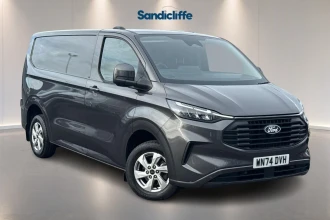
Ford Transit Custom
Transit Custom V710 Limited Van 300 L1 2.0L EcoBlue 136PS FWD 8 Speed Automatic
- 2024
- 15,703 miles
- Diesel
- Automatic
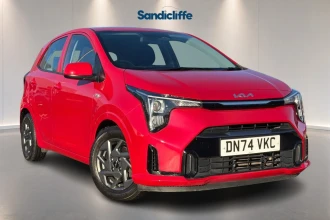
Kia Picanto
Picanto 1.0 2 5dr Hatchback
- 2024
- 14,081 miles
- Petrol
- Manual
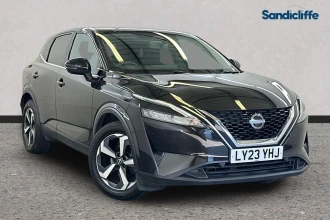
Nissan Qashqai
Qashqai 1.3 DiG-T MH 158 N-Connecta 5dr Xtronic Hatchback
- 2023
- 38,021 miles
- Petrol
- Automatic

Ford Kuga
Kuga ST-Line X 5 door 2.5L Duratec PHEV 243PS FWD CVT Automatic
- 2026
- 1,634 miles
- Automatic

Kia Stonic
Stonic 1.0T GDi 99 2 5dr Estate
- 2023
- 32,888 miles
- Petrol
- Manual