
How to De-Ice Your Car Safely: Essential Tips for Frosty Mornings
When temperatures drop and frost starts to settle, getting your car ready for the morning commute can become a little more challenging. A frozen windscreen, icy windows and frosted mirrors can all add extra time to your journey before you've even turned the key.
Knowing how to de-ice your car safely is essential for protecting your vehicle, maintaining good visibility and keeping yourself and other road users safe during the colder months.
While it might be tempting to reach for the kettle or scrape away at stubborn ice as quickly as possible, using the wrong methods can damage your car and potentially put you at risk.
At Sandicliffe, we're here to help you make the most of your motoring all year round. Here's our guide to safely de-icing your car, including the best methods to use, common mistakes to avoid and some extra tips for preparing your vehicle for winter.
Why Is It Important to De-Ice Your Car Properly?
Clearing ice from your car isn't just about being able to see out of the windscreen. It's an important part of preparing your vehicle for a safe journey.
Frost and ice can affect several areas of your car, including:
Windscreen and windows: Ice can significantly restrict your visibility, making it harder to identify hazards, pedestrians and other vehicles.
Wing mirrors: Frost-covered mirrors can prevent you from checking surrounding traffic safely.
Headlights and rear lights: Ice and snow can reduce the effectiveness of your lights, making it harder for other road users to see you.
Number plates: Obscured registration plates can make your vehicle difficult to identify.
Windscreen wipers: Wipers frozen to the glass can become damaged if switched on before being released.
It's also a legal requirement to ensure you have a clear view before setting off. Highway Code Rule 229 states that drivers must clear snow and ice from all windows, ensure lights and number plates are visible, and thoroughly demist their windows before driving.
Taking a few extra minutes to prepare your car properly can make a significant difference to your safety.
How to De-Ice Your Car Safely: A Step-by-Step Guide
If you wake up to a frozen car, don't panic. Following a few straightforward steps can help you remove ice efficiently without damaging your vehicle.
1. Start Your Car and Switch on the Heaters
The first step is to get your car's heating system working.
Start your engine and switch on your front and rear heated screens, if fitted. Set your climate control or heating system to direct warm air towards the windscreen.
If your vehicle has air conditioning, switching it on can also help remove moisture from the air and speed up the demisting process.
Make sure you remain with your vehicle while it warms up. Never leave an unattended car running to defrost, as this creates an unnecessary security risk.
Top tip: If you drive an electric vehicle (EV) or plug-in hybrid, check whether it offers a pre-conditioning feature. This can allow you to warm the cabin and clear the windows before departure, often while the vehicle is still connected to its charger.
2. Use a Proper Ice Scraper
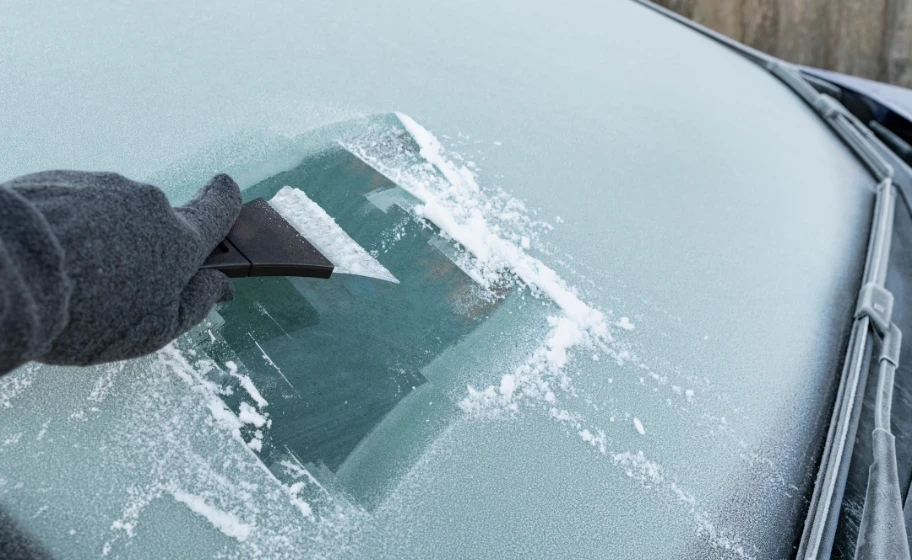
A dedicated car ice scraper is one of the safest and most effective ways to remove stubborn frost.
Choose a scraper designed specifically for automotive glass and use gentle, controlled movements to work across the windscreen.
Start with the edges and gradually work towards the centre, taking care not to apply excessive pressure.
Avoid using household objects such as bank cards, keys or metal tools. These can scratch the glass or damage surrounding surfaces.
For particularly stubborn ice, allow the vehicle's heating system to loosen it before scraping.
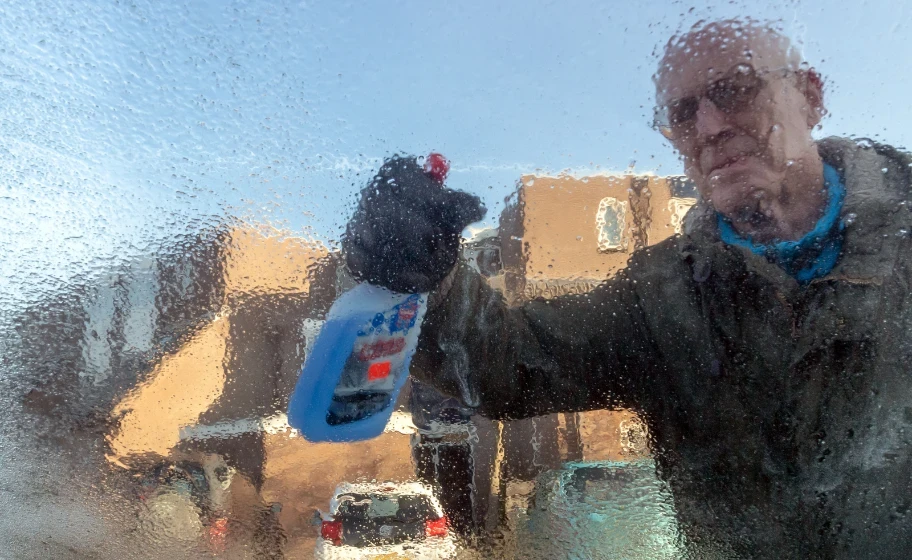
3. Apply a Suitable De-Icer Spray
A good-quality automotive de-icer spray can make removing ice much easier.
These products are specifically designed to break down frost and help clear frozen glass without requiring excessive scraping.
To use de-icer effectively:
Choose a product suitable for automotive glass.
Follow the manufacturer's application instructions.
Spray evenly across the affected areas.
Allow the product to work before gently removing loosened ice.
Use a clean cloth or scraper to clear any remaining residue, where appropriate.
It's worth keeping a bottle of de-icer in an accessible place so you're not caught out when temperatures suddenly fall.
4. Clear All Your Windows and Mirrors
Once your windscreen is clear, don't forget the rest of your vehicle's glass.
Clear ice from:
Front side windows.
Rear side windows.
Rear windscreen.
Wing mirrors.
Any additional glass panels.
Your mirrors are particularly important because they help you monitor surrounding traffic and check for hazards when changing lanes or manoeuvring.
Remember that a small clear patch on the windscreen isn't enough. You need a full, unobstructed view before driving.
5. Remove Snow and Ice From the Rest of Your Car
Your windows aren't the only areas that need attention.
Use a soft brush to remove snow from the roof, bonnet, boot and other exterior surfaces.
Pay particular attention to:
Headlights and rear lights.
Number plates.
Front and rear bumpers.
The bonnet and roof.
Air intakes and radiator grilles, where accessible.
Snow left on your roof can slide onto your windscreen when braking, or blow off and create a hazard for other road users.
Once everything is clear, check that your wipers are free from ice and that your lights are clean and visible.
6. Check Your Windscreen Is Completely Clear Before Setting Off
Before driving away, make one final check.
Ensure all windows are clear, your mirrors are fully visible and your windscreen is properly demisted. Check that your lights and number plates are unobstructed.
Don't rush this final step. If any part of your visibility is restricted, give your car more time to defrost.
It's always better to leave a few minutes earlier than risk driving with limited visibility.
What NOT to Do When De-Icing Your Car
Knowing what to avoid is just as important as knowing how to remove ice safely.
Some common shortcuts can cause expensive damage to your vehicle or create additional safety risks.
Here are five things you should avoid when de-icing your car.
1. Never Pour Boiling Water Over Your Windscreen
This is one of the biggest winter car care mistakes.
Pouring boiling or very hot water over a frozen windscreen can cause sudden temperature changes, potentially resulting in cracks or damage to the glass.
Even if the windscreen doesn't crack immediately, repeatedly exposing it to extreme temperature changes isn't a good idea.
Instead: Use your heated windscreen, climate control, a suitable de-icer spray and a proper ice scraper.
2. Don't Use Your Windscreen Wipers to Remove Ice
It can be tempting to switch on your wipers and hope they clear the frost.
However, if the blades are frozen to the glass, activating them can damage the rubber or put unnecessary strain on the wiper motor.
Instead: Check that your wipers are free before switching them on. Gently release any frozen blades and use an ice scraper to remove the remaining frost.
3. Avoid Using Metal Objects to Scrape Ice
Knives, keys and other sharp metal objects might seem useful when dealing with thick ice, but they can scratch your windscreen and damage the glass.
Instead: Invest in a proper plastic ice scraper designed for automotive use.
4. Don't Leave Your Car Running Unattended
Leaving your engine running while you go back inside to get ready might seem convenient, especially on particularly cold mornings.
However, an unattended running vehicle can be a target for opportunistic theft.
Instead: Stay with your vehicle while it defrosts. Alternatively, use a manufacturer-approved remote pre-conditioning feature if your vehicle supports it.
5. Never Drive With Just a Small Clear Patch on Your Windscreen
Clearing a small section of the windscreen and hoping for the best is dangerous.
Restricted visibility can make it difficult to spot pedestrians, cyclists, other vehicles and unexpected hazards.
Instead: Make sure every window is clear and that you have an unobstructed view in all directions before setting off.
How to Stop Your Car From Freezing Overnight
One of the easiest ways to make frosty mornings less stressful is to prevent as much ice from forming in the first place.
While you can't control the weather, there are several practical steps you can take to reduce the amount of de-icing needed.
Use a Windscreen Cover
A dedicated windscreen frost cover can help prevent ice from forming directly on the glass.
Simply place it over your windscreen before temperatures drop and remove it in the morning.
This can save considerable time, particularly during periods of prolonged freezing weather.
Park Somewhere Sheltered
If possible, park your car in a garage or under a covered area overnight.
Even a sheltered driveway can help reduce exposure to frost, ice and snow.
If you don't have access to covered parking, try to choose a spot away from particularly exposed areas.
Keep Your Windscreen Clean
A clean windscreen can make it easier to remove frost and maintain visibility.
Regularly clean the inside and outside of your glass to remove dirt, grease and residue.
This is particularly important during winter, when condensation and road grime can build up more quickly.
Check Your Windscreen Washer Fluid
Make sure your screenwash is suitable for winter temperatures.
Using an appropriate winter-grade screenwash helps prevent the fluid from freezing and ensures you can clear dirt and road spray effectively.
Always follow the manufacturer's recommended dilution instructions and check the product's stated freezing protection.
Lift Your Wipers When Appropriate
Some drivers choose to lift their windscreen wipers away from the glass overnight to prevent them freezing in place.
If you do this, check your vehicle manufacturer's guidance first, as some wiper designs and bonnet arrangements can be damaged by forcing the arms into an unsuitable position.
A purpose-made windscreen cover is often a simpler alternative.
Essential Winter Car Checks Before Setting Off
De-icing your car is only one part of preparing for winter driving.
Cold temperatures, wet roads and reduced daylight can all place additional demands on your vehicle.
Before setting off, it's worth checking the following:
Component | What to check |
|---|---|
Tyres | Check tread depth, tyre pressure and overall condition. |
Battery | Look out for signs of a weakening battery, particularly slow engine starting. |
Screenwash | Ensure you have enough winter-grade screenwash. |
Lights | Check that all exterior lights are working and clean. |
Wipers | Inspect blades for wear and damage. |
Brakes | Pay attention to unusual noises or changes in braking performance. |
Coolant | Check the coolant level and manufacturer's recommended antifreeze protection. |
Fuel or battery charge | Make sure you have enough range for your planned journey. |
For electric vehicle drivers, it's also worth checking whether your vehicle has battery pre-conditioning and scheduled cabin heating features. These can help make cold-weather journeys more convenient.
If you're unsure about your vehicle's winter readiness, a professional inspection can help identify potential problems before they become more serious.
Frequently Asked Questions About De-Icing Your Car
What is the quickest way to de-ice a car?
The quickest safe approach is to start your vehicle, switch on the heated screens and direct warm air towards the windscreen. Use an automotive de-icer spray and a suitable ice scraper to remove stubborn frost.
The time required will depend on the temperature, the amount of ice and your vehicle's heating system.
Can I use warm water to de-ice my windscreen?
It's best to avoid using water, particularly hot or boiling water, as sudden temperature changes can damage the glass. Using your car's heating system alongside a suitable de-icer spray and ice scraper is a safer option.
Is it illegal to drive with ice on your windscreen?
Driving with restricted visibility because of ice on your windscreen or windows is not permitted. Highway Code Rule 229 states that you must clear snow and ice from all windows and demist them thoroughly before setting off.
Should I use my car's air conditioning when defrosting the windscreen?
Yes. If your vehicle has air conditioning, using it alongside warm air directed towards the windscreen can help remove moisture from the cabin and clear condensation more effectively.
How can I stop my windscreen freezing overnight?
A dedicated windscreen frost cover is one of the easiest ways to prevent ice forming directly on the glass. Parking somewhere sheltered and keeping your windscreen clean can also help.
Can I pre-heat my electric car before driving?
Many electric vehicles offer cabin pre-conditioning, allowing you to warm the interior before setting off. Depending on the model, you may also be able to schedule this through the vehicle's infotainment system or connected mobile app. Check your owner's manual for the features available on your vehicle.
Get Your Car Ready for Winter With Sandicliffe
Winter driving can bring additional challenges, but a little preparation can make frosty mornings much easier.
From using the right de-icing products to checking your tyres, battery and screenwash, taking care of your vehicle during colder weather helps you stay prepared for the journeys ahead.
At Sandicliffe, we offer a range of vehicle servicing and aftersales support across the East Midlands, with dealerships in Nottingham, Leicester, Loughborough and Lincoln.
Whether you need a routine service, a vehicle health check or advice about preparing your car for winter, our team is here to help.
Don't let the frost catch you out. Explore Sandicliffe's servicing options and get your vehicle ready for the colder months.
Book your car service with Sandicliffe or find your nearest Sandicliffe dealership.









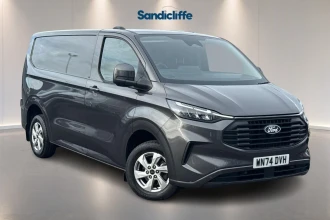
Ford Transit Custom
Transit Custom V710 Limited Van 300 L1 2.0L EcoBlue 136PS FWD 8 Speed Automatic
- 2024
- 15,703 miles
- Diesel
- Automatic
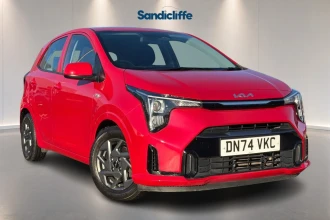
Kia Picanto
Picanto 1.0 2 5dr Hatchback
- 2024
- 14,081 miles
- Petrol
- Manual
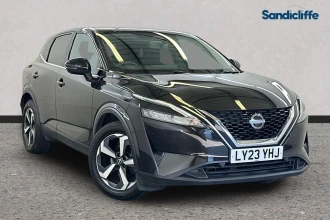
Nissan Qashqai
Qashqai 1.3 DiG-T MH 158 N-Connecta 5dr Xtronic Hatchback
- 2023
- 38,021 miles
- Petrol
- Automatic
Ford Kuga
Kuga ST-Line X 5 door 2.5L Duratec PHEV 243PS FWD CVT Automatic
- 2026
- 1,634 miles
- Automatic
Kia Stonic
Stonic 1.0T GDi 99 2 5dr Estate
- 2023
- 32,888 miles
- Petrol
- Manual