
How to buy a used electric car: battery health, warranty and charging
The State of Health (SoH) of the battery is the first thing to check when buying a used electric vehicle (EV), much as mileage is for a petrol or diesel car. This guide covers battery health, battery warranties, home and public charging, and the vehicle checks that affect value.
Assessing battery health
Understanding State of Health (SoH)
The battery is the most important component of an EV. State of Health (SoH) measures how much energy the battery can still hold compared with when it was new. For example, if an EV with a 65 kWh battery now holds only 60 kWh, its SoH is about 92%. A higher SoH generally means better performance and a longer life for the vehicle. There is no single way to calculate SoH, so ask the seller how they arrived at the figure.
Factors influencing battery degradation
On average, modern EVs lose about 1.5% to 2.3% of their capacity each year, but some factors can speed this up.
Temperature: extreme heat causes chemical reactions that wear the battery down faster. Cold weather can decrease your range, but it does not necessarily lead to long-term damage.
Charging habits: fast chargers generate heat and can potentially harm the battery. It is generally recommended to keep the charge between 20% and 80%.
Age and usage: batteries degrade over time, regardless of how much you drive. Letting the battery drain completely is more harmful than keeping it topped up, and aggressive driving puts extra strain on it.
Navigating battery warranty coverage
Standard and extended warranty options
Most manufacturers offer standard warranties on high-voltage batteries, often mandated to last at least 8 years or 100,000 miles. Many go further, with coverage of up to 10 years or 150,000 miles. These warranties typically include a capacity guarantee that the battery retains at least 70% of its original capacity during that time.
Warranties for standard 12V car batteries are much shorter, usually 18 to 36 months. These batteries are wear-and-tear items, so their warranties mainly cover manufacturing defects rather than the normal decline that happens over time.
Transferability considerations
EV high-voltage battery warranties are generally transferable. If you sell the vehicle, the warranty stays with it, which can be a selling point. The warranty period starts from the vehicle's original in-service date, not when you buy it.
Warranties for conventional 12V batteries often are not transferable and only apply to the first buyer. Check the specifics of any battery warranty before buying. If you are buying a used EV, knowing the battery warranty is still valid gives significant peace of mind.
Evaluating home charging solutions
Charging levels and installation requirements
The two main home charging types are Level 1 and Level 2. Level 1 charging uses a standard 120V outlet and adds about 3-5 miles of range per hour. Level 2 charging uses a 240V outlet and provides 25-40 miles of range per hour, which suits overnight charging. Installing a Level 2 charger usually requires a dedicated circuit and a professional installer. Depending on your home's electrical setup, you may need to upgrade your panel, which increases installation costs.
Costs and necessary accessories
With Level 1 charging you might not spend anything upfront, because most EVs come with a charger. A Level 2 charger can cost between £300 and £800 for the unit alone, with installation averaging around £1,000 in the UK. If you need additional work such as upgrading your electrical panel, total costs could reach £3,000 or more. Grants and incentives may help.
You will also need a compatible charging cable. Many Level 2 chargers have smart features that let you control charging through an app and save on electricity costs. Cable hangers or holsters keep your space tidy.
Exploring public charging infrastructure
Types of public charging stations
DC fast chargers (DCFC) add 60-200+ miles of range in 20-30 minutes. Level 2 AC chargers are more common in places like shopping centres or workplaces and give 12-80 miles of range per hour, which suits day-to-day use when you can leave your car parked. The North American Charging Standard (NACS) streamlines charging with a single connector. Charging speed and type can significantly affect a trip, so check ahead.
Payment systems and network availability
Thanks to recent regulations, most DC fast chargers now accept contactless bank card payments, with no need for apps or subscriptions. With "Plug & Charge" technology, you plug in and payment is processed automatically. Reliability is improving, but charging costs vary widely, typically between £0.30 and £0.65 per kWh, so check for hidden fees. Public charging networks continue to grow, with nearly 96,000 stations in the U.S. alone.
Comprehensive vehicle evaluation
A detailed inspection can save you from costly surprises such as a hidden rust spot or a worn tyre. This applies to anyone buying a car or van.
Importance of vehicle history reports
Vehicle history reports (VHRs) reveal a car's past. For a second-hand car, a VHR can tell you if it has been in any accidents, how many owners it has had, and whether it has ever been labelled as salvage. This helps you negotiate a fair price. A vehicle with a clean history usually sells for more. If you are selling, a solid VHR makes your vehicle more appealing to buyers.
Impact of battery health on resale value
For EVs and hybrids, battery condition can significantly affect resale value. If a buyer knows the battery is in great shape, they are more likely to pay a premium, while a poorly performing battery can lead to doubts and lower offers. A documented battery health report, detailing the battery's current capacity and expected range, can help you sell quickly and for a good price.
Conclusion
Battery health, warranty coverage, charging and a full vehicle evaluation all matter when buying a used EV. Knowing a battery's State of Health (SoH) helps protect your investment, and a comprehensive evaluation can support resale value. Visit Sandicliffe's online store to explore electric vehicles and accessories, or contact the Sandicliffe team for advice on your next EV.
Latest EV Offers




Recently Added Electric Vehicles
Changan Deepal S05
Deepal S05 320kW Max 69kWh AWD 5dr Auto Estate
- 2026
- 6,400 miles
- Electric
- Automatic
Ford Explorer
Explorer EV Premium 5 Door 77kWh Extended Range RWD 1 Speed Automatic
- 2025
- 6,890 miles
- Electric
- Automatic
Audi e-tron
E-tron 300kW 55 Quattro 95kWh Black Edition 5dr Auto Estate
- 2021
- 35,473 miles
- Electric
- Automatic
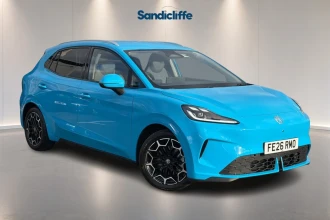
MG MG4 Urban
Mg4 Urban 118kW Premium Long Range 54kWh 5dr Auto Hatchback
- 2026
- 3,415 miles
- Electric
- Automatic
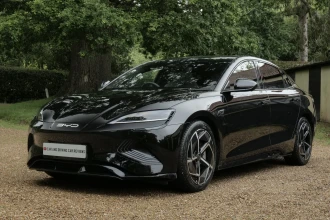
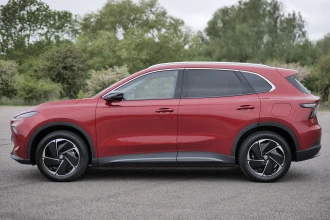
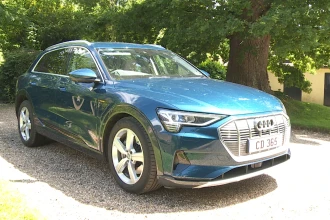
Audi e-tron
E-tron 300kW 55 Quattro 95kWh 5dr Auto Estate
- 2019
- 58,645 miles
- Electric
- Automatic
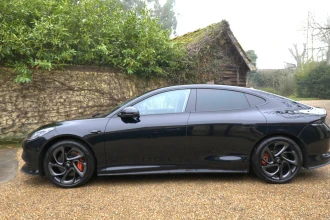
MG MG IM5
Im5 553kW Performance 100kWh 5dr Auto Hatchback
- 2026
- 5,549 miles
- Electric
- Automatic