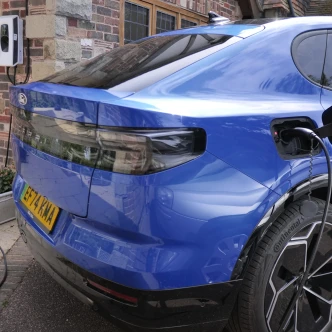
How Much Does It Cost to Charge an Electric Car in the UK in 2026?
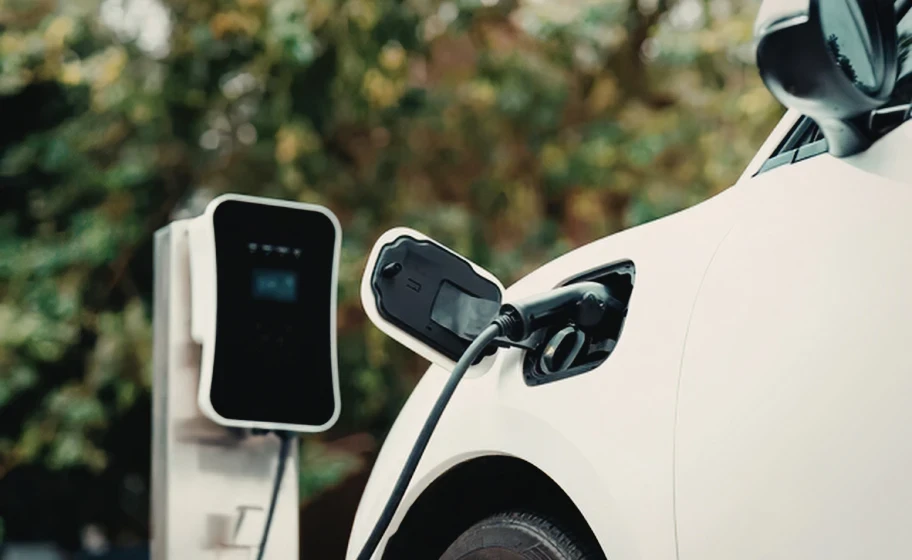
Charging costs remain one of the biggest questions for anyone considering the switch to electric. With prices shifting again, here's what UK drivers can expect to pay in 2026.
In this guide, you will learn:
The average cost of charging an EV in the UK
Differences between home and public charging costs
How EV costs compare to petrol and diesel
What factors affect how much you will pay
Whether you are new to electric vehicles or comparing your options, here is what you need to know.
How much does it cost to charge an electric car at home?
Charging your EV at home is usually the cheapest and most convenient option.
On average, electricity in the UK costs around 25p to 30p per kWh. For a typical electric car with a 60kWh battery, a full charge will cost approximately £15 to £18.
For most drivers, this translates to a cost of around 7p to 9p per mile, depending on the vehicle and driving style. Charging overnight using off-peak tariffs can reduce this cost even further.
Home charging is ideal for day-to-day use, allowing you to start each journey with a full battery without relying on public charging networks.
How much does public charging cost?
Public charging costs vary depending on the type of charger you use.
Typical costs include:
Slow or fast chargers: around 30p to 50p per kWh
Rapid chargers: around 60p to 80p per kWh
This means a full charge using a rapid charger could cost anywhere from £35 to £50 for a 60kWh battery.
While public charging is more expensive than home charging, it is useful for long journeys or when you need a quick top-up.
Is it cheaper than petrol or diesel?
In most cases, charging an electric car is still significantly cheaper than refuelling a petrol or diesel car.
For example, a petrol car averaging 40 miles per gallon could cost around 15p to 20p per mile at current fuel prices. In comparison, an EV charged at home typically costs less than half that per mile.
Even when using public rapid charging, EVs can still be competitive with fuel costs depending on the vehicle and driving conditions.
What factors affect charging costs?
Several factors can influence how much you pay to charge your EV:
Electricity tariffs and energy provider
Battery size and vehicle efficiency
Charging location (home vs public)
Time of day, especially with off-peak tariffs
Driving habits and mileage
By using a home charger and choosing the right energy tariff, many drivers can significantly reduce their overall running costs.
Can you reduce EV charging costs?
There are several ways to keep charging costs low:
Use off-peak electricity tariffs where available
Charge overnight at home
Avoid relying heavily on rapid chargers
Monitor your energy usage and efficiency
Plan journeys to minimise charging expenses
Small changes in how and when you charge can make a noticeable difference over time.
Is charging infrastructure improving?
The UK charging network is continuing to expand rapidly, with more public chargers being installed across cities, towns and motorway services.
This growth is making EV ownership more convenient and helping to reduce concerns around accessibility, particularly for long-distance journeys.
As infrastructure improves, drivers can expect more flexibility and competitive pricing options across different charging networks.
Summary
Charging an electric car in the UK in 2026 is often more affordable than many drivers expect, especially when charging at home. While public charging can cost more, overall running costs are typically lower than petrol or diesel vehicles.
If you are considering switching to electric, visit your nearest Sandicliffe to explore the latest EV models and discover how much you could save on your daily driving costs.





Ford Fiesta
Fiesta 1.0 Titanium 3dr 125PS
- 2016
- 70,317 miles
- Petrol
- Manual
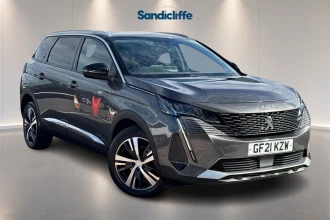
Peugeot 5008
5008 1.2 PureTech Allure Premium 5dr EAT8 Estate
- 2021
- 41,536 miles
- Petrol
- Automatic

Hyundai KONA
Kona 1.0T GDi Blue Drive Premium 5dr Hatchback
- 2018
- 63,086 miles
- Petrol
- Manual
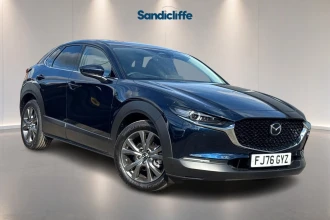
Mazda CX-30
Cx-30 2.0 e-Skyactiv X MHEV Exclusive-Line 5dr Auto Hatchback
- 2026
- 6 miles
- Petrol
- Automatic
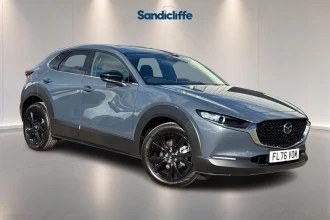
Mazda CX-30
Cx-30 2.0 e-Skyactiv X MHEV Homura 5dr [Sunroof] Hatchback
- 2026
- 6 miles
- Petrol
- Manual

Ford Explorer
Explorer EV Select 5 Door 77kWh Extended Range RWD 1 Speed Automatic
- 2025
- 167 miles
- Electric
- Automatic