
How Many Miles Is Too Many for a Used Car?
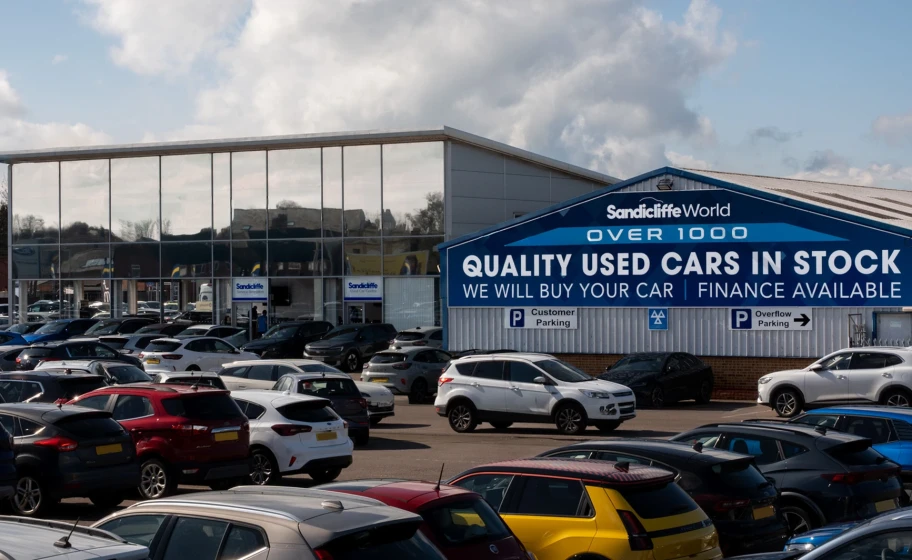
When buying a used car, mileage is often one of the first things people look at. But is there such a thing as too many miles?
The short answer is not necessarily. A high-mileage car isn't automatically a bad purchase, just as a low-mileage car isn't guaranteed to be trouble-free. The condition of the vehicle, its service history and how it has been driven can all be just as important as the number on the odometer.
At Sandicliffe, we've put together this guide to help you understand what mileage means when buying a used car and what you should look out for.
What Is Considered High Mileage for a Used Car?
As a general rule, many UK drivers consider around 100,000 miles to be high mileage for a used car. However, this is only a rough benchmark.
A modern car that's been properly maintained can often cover well over 100,000 miles, while a poorly maintained lower-mileage vehicle could potentially require more attention.
It's therefore better to consider mileage alongside the car's age.
For example, a five-year-old car with 100,000 miles has covered around 20,000 miles per year, which is significantly different from a 15-year-old car with the same mileage.
How Many Miles Should a Car Do Per Year?
There's no fixed amount of mileage every car should cover, but around 10,000 to 12,000 miles per year is often used as a general benchmark for UK drivers.
This can vary considerably depending on how the vehicle has been used.
A car that has spent most of its life travelling long motorway journeys may have covered more miles but experienced less stop-start driving than a vehicle used primarily for short urban journeys.
When looking at a used car, calculate its approximate annual mileage rather than focusing only on the total figure.
Is a High-Mileage Car Worth Buying?
A high-mileage car can still be a good purchase if it has been properly maintained.
Look for evidence that the previous owner has kept up with regular servicing and replaced important components when necessary.
It's also worth checking the MOT history for recurring advisories or issues.
A car with 90,000 miles and a comprehensive service history could be a more sensible purchase than a similar car with 50,000 miles and little evidence of maintenance.
Why Does Service History Matter?
When buying a higher-mileage vehicle, the service history becomes particularly important.
Regular servicing helps identify potential problems and ensures important maintenance is carried out at the correct intervals.
Check whether the car has a full or partial service history and ask when the next service is due.
Depending on the vehicle, you may also want to check whether major maintenance such as a timing belt replacement has already been completed.
Does Motorway Mileage Matter?
Not all miles are equal.
A car used regularly for long motorway journeys may have experienced less wear from constant stopping, starting and short journeys than a vehicle used primarily around town.
However, motorway driving can still contribute to wear on components such as tyres and brakes.
When buying a used car, ask how it was typically used rather than assuming that high mileage automatically means heavy wear.
What Should You Check on a High-Mileage Used Car?
If you're considering a higher-mileage vehicle, there are several things worth checking.
Service history
Look for evidence of regular servicing and maintenance.
MOT history
Check for previous advisories and see whether the same issues appear repeatedly.
Tyres
Check the condition and tread depth of all four tyres.
Brakes
Pay attention to any unusual noises or vibrations when braking during your test drive.
Clutch and gearbox
If the vehicle has a manual gearbox, check that the clutch feels smooth and doesn't slip. On an automatic, make sure gear changes feel smooth and consistent.
Engine
Listen for unusual noises and check for warning lights on the dashboard.
Timing belt
If the car uses a timing belt, check the manufacturer's recommended replacement interval and whether it has already been replaced.
Is Low Mileage Always Better?
Not necessarily.
A very low-mileage car might sound like the obvious choice, but extremely low mileage can sometimes indicate that a vehicle has spent long periods sitting unused.
Cars are designed to be driven, and regular use helps keep components working as they should.
A low-mileage vehicle should still be checked carefully, including its tyres, battery, brakes and service history.
The key is to look at the overall condition and history of the vehicle, rather than simply choosing the car with the lowest number on the odometer.
Should You Avoid a Car With Over 100,000 Miles?
There's no automatic reason to avoid a car simply because it has passed 100,000 miles.
The important question is whether the vehicle has been maintained properly.
Some cars can continue to provide reliable service well beyond 100,000 miles, particularly when they have been regularly serviced and looked after.
However, higher-mileage cars may be more likely to require certain repairs or replacement parts as they get older, so it's important to factor potential maintenance costs into your decision.
What Mileage Is Too High for a Used Car?
There isn't one mileage figure that makes a used car a bad purchase.
Instead, consider:
The vehicle's age
Annual mileage
Service history
MOT history
Overall condition
How the car has been used
Upcoming maintenance
Expected running costs
A well-maintained high-mileage car can be a sensible purchase, while a poorly maintained low-mileage car could potentially cause more problems.
Summary
So, how many miles is too many for a used car? There isn't a universal answer.
Mileage is an important factor, but it should always be considered alongside the vehicle's age, condition, service history and how it has been driven.
If you're considering a used car, take the time to check its history, ask questions and take it for a test drive before making your decision.
If you're looking for your next used car, visit your local Sandicliffe dealership and speak to our team about the range of used vehicles currently available.











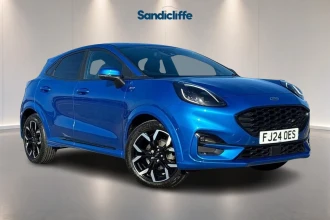

Ford Transit
Transit Trend Van 350 L3 Electric Motor #3 [135kW] RWD 1 Speed Automatic
- 2026
- 43 miles
- Electric
- Automatic

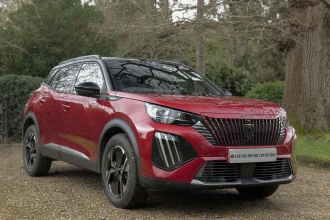
Peugeot 2008
2008 1.2 PureTech Active 5dr Estate
- 2023
- 23,966 miles
- Petrol
- Manual
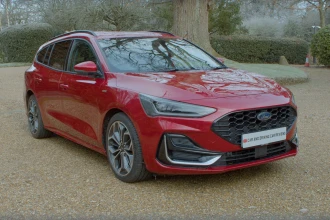
Ford Focus
Focus Titanium Estate 1.0L EcoBoost 155PS mHEV FWD 7 Speed PowerShift
- 2023
- 16,121 miles
- Petrol
- Automatic
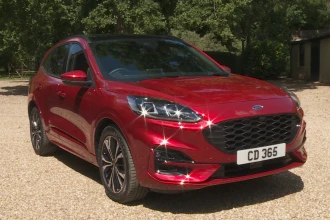
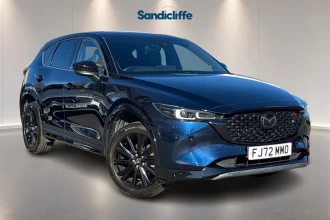
Mazda CX-5
Cx-5 2.0 Sport Black 5dr Estate
- 2022
- 64,000 miles
- Petrol
- Manual