Ford Puma vs Toyota Yaris Cross: Which Small SUV Wins?

This comparison between the Ford Puma and Toyota Yaris Cross gives UK buyers an objective look at two leading small SUVs. It covers exterior and interior design, engine performance, fuel efficiency, pricing, driving experience, and customer feedback, setting out each vehicle's strengths and weaknesses to support an informed purchasing decision.
Exterior design
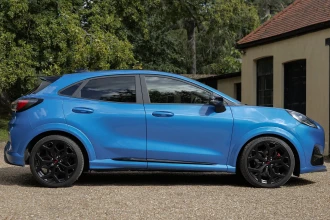
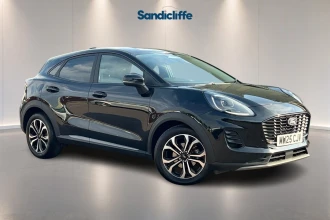
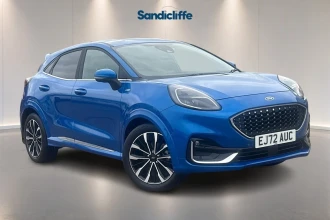
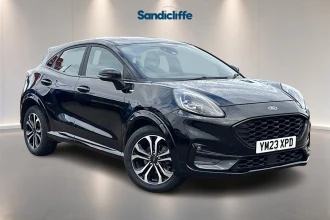
The Ford Puma has a bold, contemporary appearance, with sculpted bodywork, a striking front grille, and sleek LED lighting. Its raised stance and recent updates, such as redesigned headlamps and new alloy wheels, give it a sporty silhouette. Even entry-level variants have their own character, while higher trims offer more assertive styling. The Toyota Yaris Cross takes a robust, urban SUV approach, with a refreshed honeycomb mesh grille, pronounced wheel arches, and updated LED lighting. The GR Sport trim adds exterior enhancements and exclusive alloy wheels. Both models have a strong visual presence, with the Puma favouring sportiness and the Yaris Cross emphasising rugged urban practicality.
Interior design
The Ford Puma's interior includes a redesigned dashboard, a 12.0-inch central touchscreen, and a 12.8-inch digital driver's display. The move to touchscreen-based climate controls modernises the cabin but may reduce tactile feedback. Boot space is generous, at up to 456 litres (1,216 litres with the rear seats folded), plus an 80-litre MegaBox for extra practicality. Recent assessments have raised concerns about material quality and a sense of cheapness in the latest version. The Toyota Yaris Cross has a logically arranged, durable interior with physical climate controls and a choice of 9.0 or 10.5-inch infotainment displays. Higher specifications include heated seats and dual-zone climate control. Boot capacity ranges from 266 to 397 litres, depending on trim and drivetrain, with a flexible cargo system on upper trims. The Yaris Cross interior is solidly built but considered less visually striking.
Engine and performance
The Ford Puma is equipped with a 1.0-litre EcoBoost mild-hybrid petrol engine, available in 123bhp, 153bhp, or 167bhp (ST) outputs, with the ST model using a 1.5-litre EcoBoost engine delivering 197bhp. Transmission options include a six-speed manual and a seven-speed automatic. The 123bhp automatic achieves 0-62mph in 9.6 seconds, while the 153bhp variant reduces this to 8.7 seconds. The Puma ST accelerates from 0-60mph in approximately 6.5 seconds. The Toyota Yaris Cross uses a 1.5-litre self-charging hybrid system generating 130hp, paired with a CVT. It completes 0-62mph in 10.7 to 11.3 seconds (FWD) and 11.8 seconds (AWD-i). The Yaris Cross prioritises efficiency and urban manoeuvrability, while the Puma delivers a broader performance range, particularly in its ST guise.
Fuel consumption and efficiency
The Ford Puma's 1.0 EcoBoost Hybrid (125 PS) manual achieves up to 52.3 mpg (WLTP), with real-world figures around 48.9 mpg. The 155 PS manual attains up to 51.4 mpg officially, and the automatic version reaches up to 49.6 mpg. The Puma ST records 44.8 mpg. CO2 emissions range from 121 to 136 g/km. The Toyota Yaris Cross leads on efficiency, with official combined fuel economy between 55.3 and 65.7 mpg. Real-world testing has produced averages of 60.1 mpg and up to 103.3 mpg in urban conditions. CO2 emissions are as low as 101g/km, setting a benchmark in this segment.
Price
In the UK, the Ford Puma's recommended retail price ranges from £27,145 to £35,500, with cash prices starting at £23,883 and monthly payments from £270. The Titanium 125PS manual is priced from £27,145, ST-Line from £28,045, ST-Line X from £29,695, and the Puma ST from £34,000. The Toyota Yaris Cross is priced from £27,295 to £36,845, with cash prices beginning at £27,445 and monthly payments from £266. Used Yaris Cross models are available from approximately £14,460. Both vehicles are closely matched on new car pricing, though the Yaris Cross offers greater availability in the used market, which may suit budget-conscious buyers.
Driving experience
The Ford Puma is known for agile handling, responsive steering, and engaging dynamics, particularly on winding roads. The mild-hybrid system delivers smooth power, although the suspension can feel firm, giving a less comfortable ride on uneven surfaces. The ST variant offers heightened performance, at the expense of ride comfort. The Toyota Yaris Cross is built for ease and comfort. Its hybrid system offers seamless transitions between power sources, with light and precise controls. The ride is generally composed, although some reports note minor fidgeting over bumps, and the elevated seating position improves visibility. The Puma is more rewarding for enthusiastic drivers, while the Yaris Cross excels in urban and relaxed driving.
Customer reviews and ratings
The Ford Puma is widely recognised as one of the top small SUVs, praised for its sharp handling, innovative boot design, and generous specification, though recent concerns about interior quality have been noted. The Toyota Yaris Cross receives high praise for its efficiency, build quality, and reliability, with strong user ratings for low running costs and practicality, though some find the interior somewhat plain. Overall, customer sentiment favours the Yaris Cross for efficiency and reliability, while the Puma is valued for driving enjoyment.
Final verdict: Ford Puma or Toyota Yaris Cross?
Objectively, the Toyota Yaris Cross is the stronger all-round small SUV for most UK buyers, particularly those prioritising efficiency, reliability, and low running costs. Its hybrid system delivers class-leading fuel economy and emissions, and the interior build quality is robust, if a little plain. The Ford Puma stands out for its engaging driving experience and versatile boot, but recent concerns about interior quality may deter some buyers. For tailored advice on which model best suits your requirements, the Sandicliffe team is available to provide expert guidance.
Disclaimer: This article was correct at the time of publication. Prices, offers, and incentives mentioned are estimates and may be changed or withdrawn at any time. Please confirm current pricing, offers, and valuations directly with Sandicliffe before making a decision.


EX-Demo Ford Kuga ST-Line X 2.5L Duratec
- Petrol Plug-in Hybrid
- Automatic