
EV Charging Connector Types: CCS2 vs Type 2 Compared
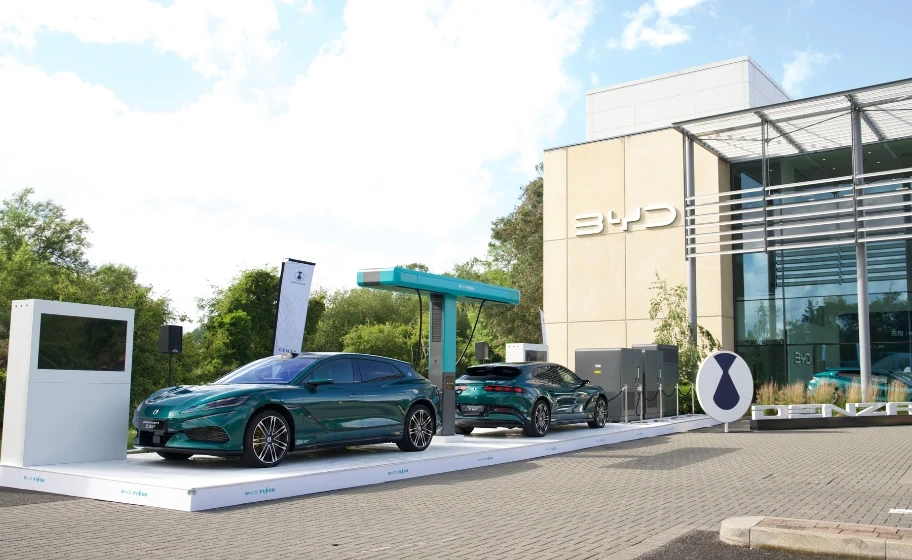
This comparison clarifies the technical distinctions between the two predominant EV charging connector types in the UK: CCS2 and Type 2. It covers connector compatibility, charging speeds, and their impact on electric vehicle usability, useful for engineers, fleet managers, and EV owners choosing charging infrastructure and vehicles.
Design and construction
The Type 2 connector, also called Mennekes, has a rounded, seven-pin configuration for alternating current (AC) charging. Its ergonomic handle and build are designed for reliable connections in both domestic and public environments. The CCS2 (Combined Charging System 2) expands on the Type 2 design by adding two direct current (DC) pins beneath the standard interface, making it a larger and slightly heavier connector. This dual-purpose approach lets CCS2 support both AC and high-power DC charging, and it is the standard for rapid charging infrastructure across the UK and Europe. Both connectors are built for durability and safety, with weatherproofing and secure locking mechanisms. CCS2's extra pins and thicker cable accommodate the higher current loads used during rapid charging.
Internal engineering and standards
Type 2 connectors use conductive materials and insulation to handle single-phase and three-phase AC charging. CCS2 connectors have reinforced contacts and internal thermal management to safely deliver DC charging at power levels up to 350kW. Both connector types comply with IEC 62196 standards, which ensures interoperability and safety across UK and European charging networks.
Charging power and performance
Type 2 connectors support AC charging up to 22kW (three-phase), though most UK domestic installations are limited to 7.4kW (single-phase). CCS2 connectors enable DC charging from 50kW up to 350kW, reducing charging times for compatible vehicles. Actual charging speed depends on the vehicle's onboard charger, battery management system, and the capabilities of the charging station.
Efficiency
Connectors do not consume fuel or directly affect vehicle efficiency, but the efficiency of a charging session varies by connector type. Type 2 AC charging typically has lower conversion losses at lower power levels, which suits overnight home charging. CCS2 DC charging is efficient for rapid energy delivery but can have slightly higher conversion losses due to the rectification process. The vehicle's battery and power electronics remain the main factor in overall efficiency, not the connector itself.
Cost
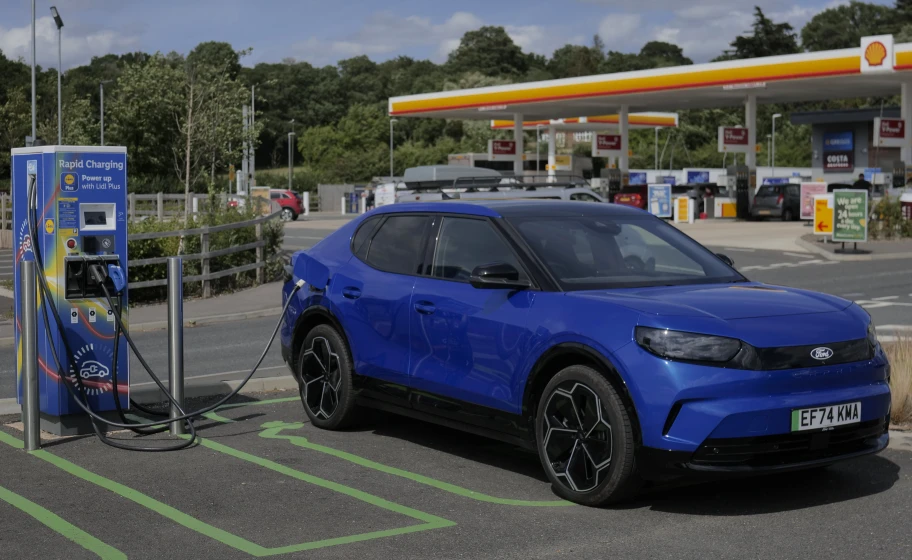
Type 2 and CCS2 costs show up in the price of charging cables, wallboxes, and public charging sessions in the UK. Type 2 untethered home chargers (7.4kW) generally range from £400 to £800, excluding installation. CCS2 connectors are built into rapid and ultra-rapid public charging units, which are considerably more expensive (commercial units frequently exceed £10,000), an expense typically covered by charging network operators. For consumers, public AC charging (Type 2) is usually priced at £0.30-£0.45 per kWh, while rapid DC charging (CCS2) is higher, typically £0.60-£0.85 per kWh, reflecting the greater infrastructure and energy delivery costs. Most new electric vehicles come with both connector types as standard, so there is no direct vehicle price difference tied to connector type.
Charging experience
Connectors do not affect the dynamic driving experience, but they have a direct effect on user convenience and charging strategy. Type 2 connectors handle home and destination charging, supporting overnight charging and battery longevity. CCS2 connectors enable rapid charging during long journeys, letting compatible vehicles gain over 100 miles of range in less than 30 minutes. Both connectors are widely available across the UK, so most EV drivers can access both slow and rapid charging as needed. The faster charging capability of CCS2 is particularly useful for high-mileage drivers and those relying on public charging infrastructure.
Practical considerations
Type 2 connectors are widely compatible across home and public charging points, which makes them reliable for everyday use. CCS2 connectors support rapid charging, though occasional issues with connector alignment or charging station reliability can occur, typically related to the charging unit rather than the connector itself. Both standards are supported by major UK charging networks, and most new EVs come equipped with both connector types. CCS2 suits future-proofing and rapid charging needs, while Type 2 suits everyday convenience.
Final verdict: CCS2 or Type 2?
Both Type 2 and CCS2 connectors are integral to the UK's electric vehicle charging infrastructure. Type 2 remains the standard for home and destination AC charging, offering reliability and compatibility for daily use. CCS2 is essential for rapid and ultra-rapid DC charging, supporting high-power sessions for long-distance travel and fleet operations. For most users, vehicles equipped with both connectors offer the greatest flexibility. For tailored advice on selecting the most suitable EV and charging solution for your needs, contact the Sandicliffe team for expert guidance.
Approved Used EV's

Ford Puma
Puma Gen-E Premium 5 Door 46.8 kWh Standard Range 1 Speed Automatic
- 2026
- 1,395 miles
- Electric
- Automatic
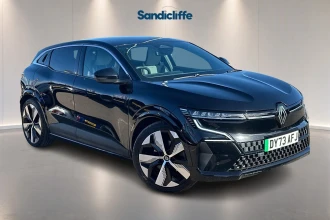
Renault Megane E-Tech
Megane E-tech EV60 160kW Techno 60kWh Optimum Charge 5dr Auto Hatchback
- 2023
- 53,179 miles
- Electric
- Automatic
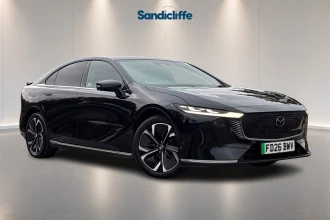
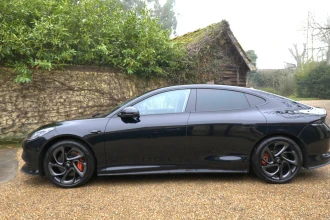
Changan Deepal S05
Deepal S05 320kW Max 69kWh AWD 5dr Auto Estate
- 2026
- 6,400 miles
- Electric
- Automatic
Ford Explorer
Explorer EV Premium 5 Door 77kWh Extended Range RWD 1 Speed Automatic
- 2025
- 6,890 miles
- Electric
- Automatic
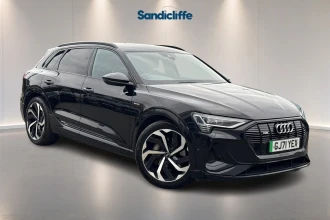
Audi e-tron
E-tron 300kW 55 Quattro 95kWh Black Edition 5dr Auto Estate
- 2021
- 35,473 miles
- Electric
- Automatic
Latest New EV Offers