

Crossover vs SUV: what's the difference and which should you buy?

Understanding the distinctions between crossovers and SUVs is essential for making an informed purchase decision. This comparative article provides a technical analysis of both vehicle types, focusing on design, performance, efficiency, and cost within the UK market. By reading this comparison, you will gain precise knowledge of each vehicle’s strengths and limitations, helping you determine which best suits your driving requirements and lifestyle.
Exterior Design
Crossovers are generally based on car platforms, resulting in a more compact and streamlined exterior profile. Their design merges elements of hatchbacks and SUVs, offering a higher seating position while preserving a car-like silhouette. This combination facilitates easier parking and manoeuvrability in urban settings. By contrast, SUVs are constructed on more robust, truck-derived chassis, which gives them a taller, sturdier appearance. Their increased dimensions and elevated ride height provide a commanding presence on the road, though they may be less convenient for navigating narrow city streets and parking spaces.
Interior Design
The interior of a crossover typically resembles that of a family hatchback, prioritising practical cabin space and an ergonomic layout. Most crossovers accommodate five passengers, with some models featuring innovative storage solutions to maximise utility. The elevated driving position enhances visibility without compromising comfort. SUVs, on the other hand, offer more spacious interiors, often with options for seven seats and larger boot capacities. Their layouts are designed for versatility, making them ideal for larger families or those needing extra cargo space. Interior materials and finishes in SUVs are often more durable, reflecting their suitability for heavier use and varied conditions.
Engine and Performance
Crossovers are engineered with efficiency and on-road handling in mind, usually featuring smaller engines such as turbocharged 1.0L or 1.5L petrol units. These engines provide sufficient power for everyday driving while ensuring lighter weight and improved agility. Most crossovers are front-wheel drive, with all-wheel drive available on certain models, though their off-road capability remains limited. SUVs, in contrast, are equipped with larger, more powerful engines, including diesel variants and, in some cases, supercharged petrol options. Their four-wheel drive systems are designed for enhanced traction and off-road performance, making them suitable for towing and challenging terrain. However, this often results in increased weight and reduced manoeuvrability.

Fuel Consumption and Efficiency
Thanks to their lighter construction and smaller engines, crossovers generally deliver better fuel economy than SUVs. Many models, such as the Toyota Yaris Cross, can achieve over 60 miles per gallon (mpg) in combined driving. The adoption of hybrid powertrains is also becoming more prevalent, further boosting efficiency. SUVs, by comparison, tend to be less economical, with average fuel consumption ranging from 30 to 50 mpg, depending on engine size and configuration. While modern SUVs like the Peugeot 3008 Hybrid can reach up to 52.5 mpg, traditional models remain less efficient due to their greater mass and less aerodynamic design. The introduction of plug-in and mild hybrid variants is gradually enhancing efficiency across the segment.
Price
Within the UK market, crossovers are typically more budget friendly than SUVs. Entry-level crossovers such as the Dacia Duster start from £19,380, while mid-range options like the Renault Captur are available from £22,195. Pre-owned crossovers are widely accessible for under £20,000, appealing to a broad spectrum of buyers. SUVs command higher prices, reflecting their larger size, increased complexity, and additional features. Entry-level SUVs generally begin at around £25,000, with premium models surpassing £50,000. For instance, the Skoda Kodiaq and Land Rover Defender sit at the higher end of the spectrum, offering advanced capabilities and spacious interiors.
Driving Experience
Crossovers provide a driving experience closely aligned with that of a standard car. Their lighter weight and lower centre of gravity contribute to agile handling and responsive steering, making them particularly suitable for city driving and motorway journeys. The raised seating position affords excellent visibility without sacrificing ride comfort. SUVs, while offering a more commanding view of the road, tend to feel heavier and less nimble. Their robust suspension and four-wheel drive systems excel on uneven surfaces and in adverse weather, but can result in a firmer ride and increased body roll when cornering. Manoeuvrability in confined spaces is also typically reduced compared to crossovers.
Customer Reviews and Ratings
Crossovers receive high praise from urban drivers and small families for their practicality, efficiency, and ease of use. The Nissan Qashqai is regularly commended for its spacious interior and comfortable ride, while the Ford Puma is recognised for its engaging driving dynamics and advanced technology. Feedback often highlights the crossover’s suitability for daily commuting and city living. SUVs are well-regarded by those who require additional space, towing capability, and off-road performance. The Land Rover Defender is celebrated for its versatility and ruggedness, and the Skoda Kodiaq is valued for its family-friendly design and ample boot space. Nonetheless, some owners mention higher running costs and reduced manoeuvrability as potential disadvantages.
Final verdict: crossover or SUV?
On balance, crossovers present a more efficient, affordable, and user-friendly solution for most urban drivers and small families. Their superior fuel economy, lower purchase price, and car-like handling make them well-suited to everyday use. SUVs, while offering greater space, power, and off-road capability, are best reserved for those with specific requirements such as towing or rural driving. For tailored advice on selecting the right vehicle for your needs, contact Sandicliffe for expert guidance and support.
Latest Offers


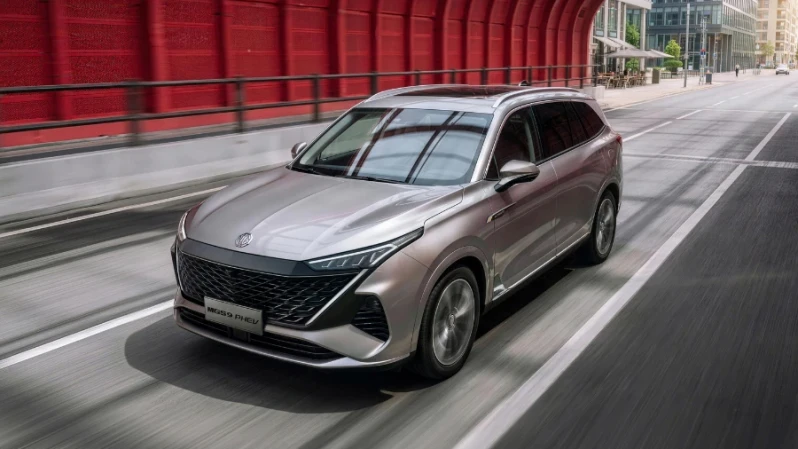



Recently Added Vehicles
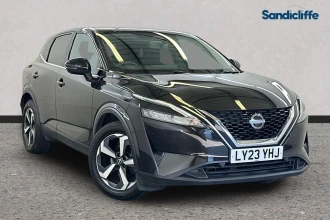
Nissan Qashqai
Qashqai 1.3 DiG-T MH 158 N-Connecta 5dr Xtronic Hatchback
- 2023
- 38,021 miles
- Petrol
- Automatic
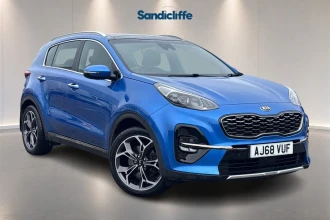
Kia Sportage
Sportage 1.6 CRDi ISG GT-Line S 5dr DCT Auto Estate
- 2018
- 89,000 miles
- Diesel
- Automatic
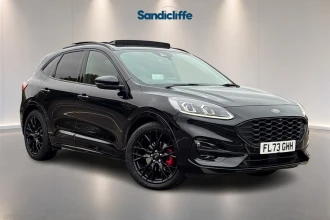

Mazda CX-60
Cx-60 2.5 PHEV Exclusive-Line 5dr Auto Estate
- 2023
- 44,681 miles
- Automatic

Volkswagen Golf
Golf 2.0 TSI R 5Dr Hatchback
- 2014
- 83,701 miles
- Petrol
- Manual
Changan Deepal S07
Deepal S07 160kW Ultra 80kWh 5dr Auto Estate
- 2025
- 14,314 miles
- Electric
- Automatic
Ford Kuga
Kuga ST-Line X Edition 5 door 2.5L Duratec FHEV 190PS FWD CVT Automatic
- 2023
- 33,835 miles
- Petrol Hybrid
- Automatic


