
Commercial vehicle insurance UK: what van owners need to know
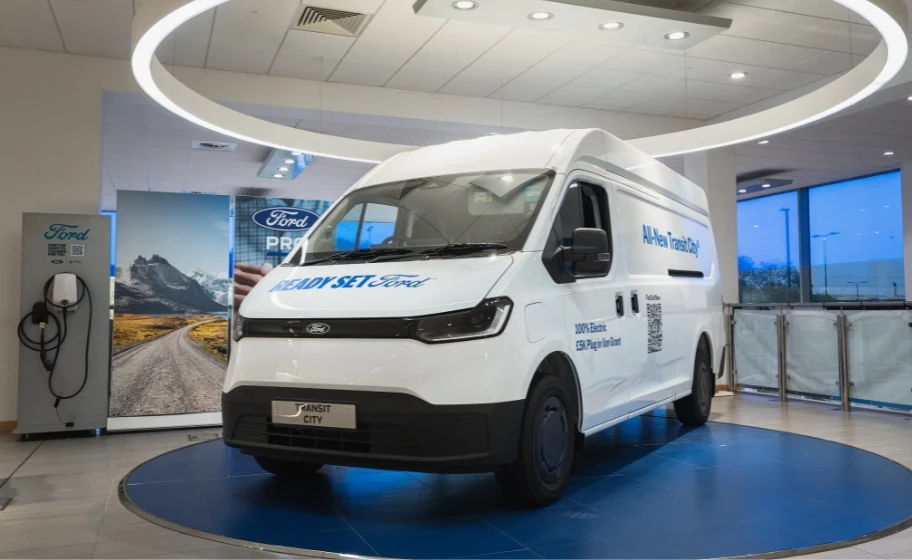
Commercial vehicle insurance protects your van, tools and business. The right level of cover, the right add-ons, and an understanding of how electric vans and telematics affect your premium can save money and avoid costly mistakes.
If you use a van for work in the UK, you need auto insurance for commercial vehicles. It is a legal requirement, and it also protects your van, your tools and your livelihood.
This guide explains the main types of business van insurance, the add-ons worth considering and what affects your premium. It also covers electric vans, telematics and pay-per-mile policies.
When comparing cover, think about your van's value, your annual mileage and the true cost of your tools. The cheapest policy is not always the one that fits your daily work. Ask your broker for clear, written examples of what is included and what is not.
What is auto insurance for commercial vehicles and who needs it?
How does business van cover differ from personal cover?
Business van insurance is a legal must for anyone using a van for work. Personal policies only cover social or domestic trips, while business van cover protects you when you deliver goods, carry tools or travel to jobs. If you have an accident while working and only hold personal cover, your claim could be refused and you might face fines.
Which trades and errands need commercial cover?
Tradespeople, couriers and anyone who occasionally uses a van for work need commercial cover. For example, a sole-trader plumber carrying £3,000 of tools to jobs is at risk without the right policy. Part-time delivery drivers and florists doing local runs should also check their cover. If you are unsure, ask your broker.
What cover levels and add-ons should I consider?
What does Third Party Only, TPFT and Comprehensive cover?
The table compares the main cover levels:
Cover level | What it pays for | Typical use case | |
Third Party Only | Damage to others, not your van | Legal minimum | |
Party, Fire & Theft | Adds fire and theft cover for your van | Trades, basic delivery | |
Comprehensive | Your van, others, fire, theft, extras | Most trades, fleets |
Comprehensive is often the best option and, for many drivers, the cheapest too. Check your annual mileage and tool value in £ before getting quotes.
Which add-ons should a tradesperson buy?
Useful extras include:
Goods in transit cover protects customer deliveries or stock (e.g. a florist with £1,500 of bouquets).
Tools in transit insurance covers your tools if stolen or damaged, which matters for trades like electricians or plumbers.
Public liability insurance protects you if a member of the public claims against you for injury or damage.
Breakdown cover gets you back on the road quickly if your van breaks down during work.
Ask brokers for quotes showing goods in transit limits in £.
What factors influence my van insurance premium?
How do vehicle type, mileage and location affect cost?
Van model, age and engine size: newer, high-value vans or those with bigger engines often cost more to insure.
Annual mileage: couriers averaging 20,000 miles a year pay more than local tradespeople doing 7,000 miles.
Location/postcode: urban areas, especially London, usually mean higher premiums because of theft and accident risk.
Payload and use: haulage or delivery work is seen as higher risk than carrying your own tools.
Driving record: a clean history helps. Young drivers (under 25) can pay over £2,000 a year, while experienced drivers might pay £735 for comprehensive cover.
Which safety features reduce premiums?
Alarms, immobilisers, dashcams and secure racking can lower your risk profile and help reduce your premium. For example, adding an approved alarm might save you £50–£100 per year. Ask your insurer which features it rewards.
How do electric vans change my insurance needs?
Why are EV premiums different?
Electric vans often cost more to insure because of higher purchase prices and specialist repairs. For example, EV repairs can be 25% more expensive and take longer than for diesel vans. As more data becomes available, the price gap is starting to narrow.
How to weigh total cost of ownership in pounds and miles
The table compares an ICE van with an electric van:
ICE Van | Electric Van | |
Purchase cost (£) | £25,000 | £35,000 |
Annual fuel/energy savings (£) | - | £1,200 |
Average range (miles) | 500 | 180 |
Typical repair cost (£) | £600 | £750 |
Insurance tendency | Lower | Higher |
A local delivery business doing 8,000 miles a year might save £1,200 on fuel with an EV, but should budget for higher insurance. Compare total running costs, not just premiums.
How can telematics lower costs and improve safety?
Telematics, or black box insurance, lets insurers set premiums based on how a van is driven.
What data do trackers collect?
Telematics devices track speed, mileage, braking and driving times. Insurers use this to set prices based on real behaviour rather than averages.
How businesses use telematics for fleet savings
Fleets using telematics often see fewer accidents and lower claims. If you are considering telematics, ask your insurer or broker about discounts for fitting devices. Safer driving can mean real savings.
What regulatory changes could affect commercial van cover?
Are pay-per-mile policies right for my business?
Pay-per-mile cover is gaining popularity, especially for businesses with low annual mileage. For example, a gardener driving 4,000 miles a year could save compared with a standard policy. Ask your broker to compare options.
How to prepare for upcoming insurance rules
Rules on areas such as claims handling and pricing transparency can change. Ask your broker for a summary of any changes each year, and keep your van well maintained and your records up to date to avoid problems with claims. Government and industry sites carry the latest guidance.
Ready to protect your business van?
The right business van insurance keeps your work moving. Sandicliffe offers a wide range of vans and advice to help you choose. Visit our online store to find your next van and see our latest offers.
Frequently asked questions
Do I need commercial insurance if I use my van for work?
Yes. If you use a van for business tasks you need commercial cover; personal policies usually exclude work use.
What is the minimum legal cover for business vans?
Third Party Only (TPO) is the legal minimum; it pays for damage to others but not your own van.
Should tradespeople add tools cover?
Yes. Tools in transit or tools cover protects expensive kit and is essential for most trades.
Will an electric van cost more to insure?
Often yes, due to higher purchase price and specialist repairs, but savings on fuel and maintenance can offset this.
Can telematics reduce my premium?
Yes. Telematics can reward safer driving and lower premiums for monitored drivers.
Approved Used Commercial Vehicles
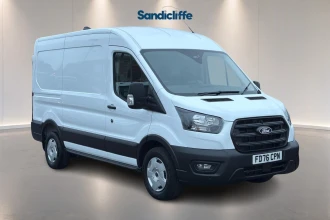
Ford Transit
Transit Trend Van 350 L3 Electric Motor #3 [135kW] RWD 1 Speed Automatic
- 2026
- 43 miles
- Electric
- Automatic
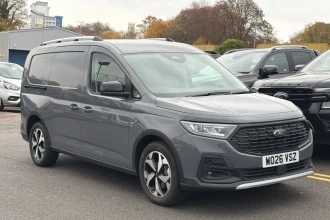
Ford Transit Connect
Transit Connect Active FlexCab LWB 250 L2 2.0L EcoBlue 122PS FWD 7 Speed Automatic
- 2026
- 55 miles
- Diesel
- Automatic
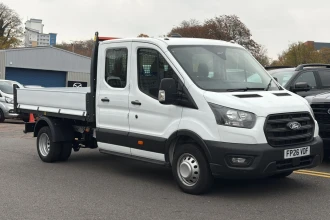
Ford Transit
Transit Leader Double Chassis Cab 350 L3 2.0L EcoBlue 165PS FWD 6 Speed Manual
- 2026
- 1,115 miles
- Diesel
- Manual
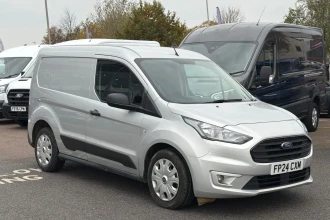
Ford Transit Connect
Transit Connect 1.5 EcoBlue 100ps Trend Van
- 2024
- 40,203 miles
- Diesel
- Manual
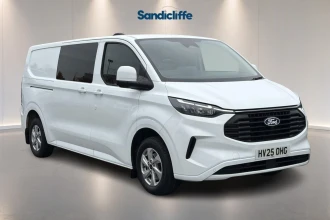
Ford Transit Custom
Transit Custom V710 Limited DCiV 320 L2 2.0L EcoBlue 136PS FWD 6 Speed Manual
- 2025
- 27,987 miles
- Diesel
- Manual
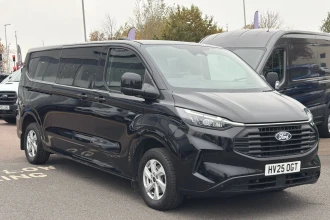
Ford Transit Custom
Transit Custom V710 Limited DCiV 320 L2 2.0L EcoBlue 136PS FWD 6 Speed Manual
- 2025
- 21,006 miles
- Diesel
- Manual
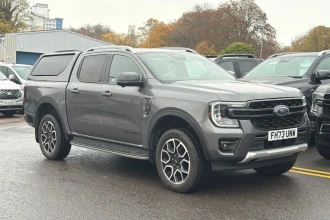
Ford Ranger
Ranger P703 Wildtrak Double Cab 2.0L EcoBlue 205ps 4WD FT 10 Speed Automatic
- 2024
- 14,125 miles
- Diesel
- Automatic
New Commercial Vehicle Offers





EX-Demo Ford Kuga ST-Line X 2.5L Duratec
- Petrol Plug-in Hybrid
- Automatic