
Changan's Strategic Partnership with Mazda for EU Carbon Emissions Compliance
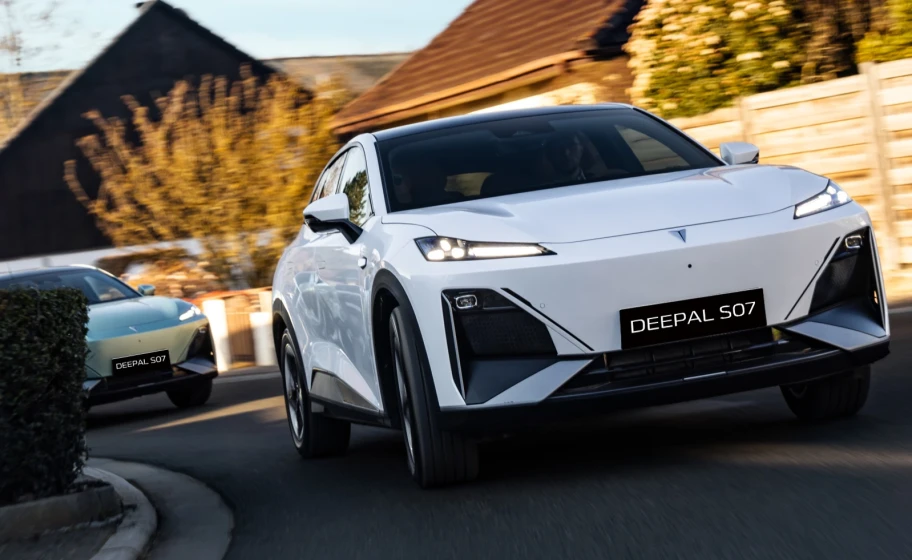
Changan and Mazda have teamed up in a strategic partnership aimed at navigating the often complex landscape of EU carbon emissions compliance. As the European Union tightens its regulations on CO₂ emissions, car manufacturers face the pressure of meeting stringent targets. This partnership is particularly significant as it allows both companies to pool their CO₂ emissions, thus helping them to collectively meet the EU's fleet-wide emission limits. The collaboration is not just about compliance; it’s also about innovation and sustainability in a rapidly evolving automotive sector. By understanding the details of this alliance, we can appreciate the steps being taken towards a greener future in car sales and manufacturing.
The CO₂ Pooling Agreement
Understanding the Agreement
The CO₂ pooling agreement between Changan and Mazda is a significant move in the automotive sector. Essentially, it allows Mazda to combine its CO₂ emissions with those of its joint venture, Changan Mazda, in Europe. This pooling arrangement is designed to help both brands meet the EU's legally binding emissions targets by 2025. What’s interesting here is that this isn’t just a one-off deal; it opens the door for other manufacturers to join in until the end of November, creating a broader coalition focused on emissions compliance.
The Importance of Compliance
With the EU setting a stringent average CO₂ emissions limit of 93.6 g/km for all passenger cars, the stakes are incredibly high. Manufacturers failing to meet these targets face hefty penalties, which could amount to billions. This makes the pooling agreement not just a strategic initiative but a necessary one for survival in the market. It’s a reminder that in today’s automotive landscape, compliance isn’t optional—it’s vital for business continuity.
Future Implications
As the automotive industry shifts towards greener technologies, we can expect this agreement to influence future collaborations among manufacturers. The flexibility to include additional partners in the CO₂ pool could lead to a more united front against emissions regulations, fostering innovation and shared resources. Future models, like the Mazda CX6-e, could benefit from this collaborative approach, ultimately enhancing their market appeal.
Navigating EU Emissions Targets
Current Regulations
The EU’s emissions regulations are designed to push manufacturers towards electric vehicles (EVs) and more sustainable practices. From 2025, all car manufacturers must demonstrate compliance with these targets, which are based on average emissions from their entire fleet. This means that companies need to be strategic about the vehicles they produce and sell, balancing traditional combustion engines with electric vehicles.
The Role of Electric Vehicles
Changan and Mazda's partnership highlights the significant role that electric vehicles play in meeting these targets. For instance, the Mazda6e, manufactured by Changan Mazda, will contribute zero emissions to the pool, offsetting the higher emissions from combustion-engine vehicles. This is a practical way to manage emissions while still catering to consumer demand for traditional vehicles. The balance between EVs and petrol/diesel cars is crucial for compliance.
Strategies for Compliance
For manufacturers, it’s not just about producing electric vehicles; it’s also about smart strategies. By pooling emissions, companies can offset higher emissions from some models with lower emissions from others. This allows them to manage their fleet more effectively and avoid the financial penalties associated with non-compliance. It’s a clever approach that could redefine how manufacturers think about their production lines.
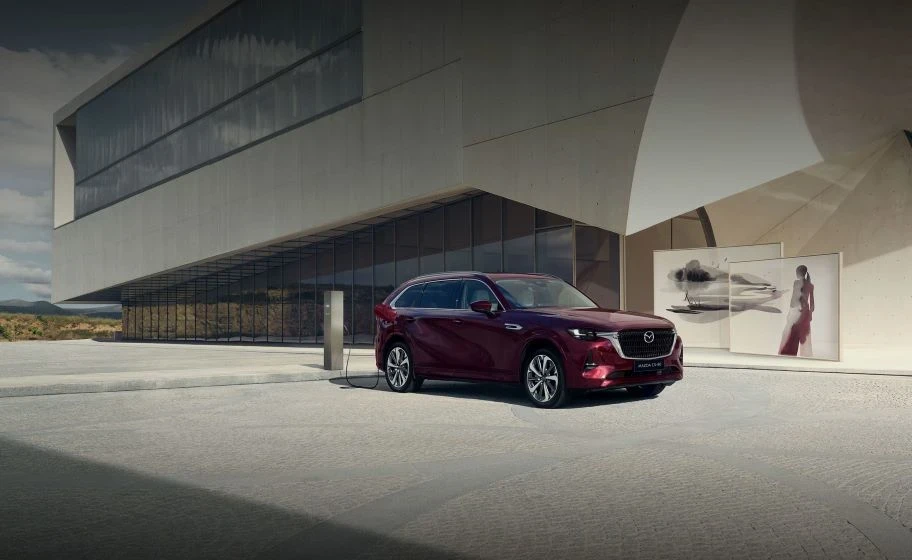
Offsetting Emissions Effectively
The Concept of Offsetting
Offsetting emissions is a key strategy in the automotive industry today. By collaborating with Changan, Mazda can leverage the zero emissions from electric vehicles to balance out the higher emissions from its conventional models. This isn’t just good for compliance; it also sends a strong message to consumers about the importance of sustainability in the automotive sector.
Future Models and Innovations
Looking ahead, the partnership may lead to the development of new models specifically designed to meet emissions targets. The upcoming Mazda CX6-e is expected to be a game-changer in this regard. By combining innovative technology with sustainable practices, both companies can enhance their offerings and maintain a competitive edge in the market.
Consumer Choices and Impact
For consumers, this partnership means more choices in the market, particularly in the EV segment. As manufacturers respond to regulations by developing cleaner vehicles, buyers will have access to a wider range of environmentally friendly options. This not only benefits the planet but also allows consumers to make more informed choices about their vehicle purchases.
Strategic Rationale Behind the Partnership
The Need for Collaboration
The automotive landscape is changing rapidly, and companies like Mazda and Changan understand the necessity of collaboration. Many legacy carmakers are struggling to transition to electric vehicles, leading to potential fines and market disadvantages. By pooling resources and emissions, they can navigate this challenging environment more effectively.
Avoiding Financial Penalties
The financial implications of failing to meet emissions targets are severe. Automakers could face substantial fines, impacting their bottom line. By collaborating, Changan and Mazda can share the burden of compliance, making it a more manageable challenge. This strategy is particularly relevant for manufacturers facing slower transitions to electric vehicles.
Industry-Wide Trends
This partnership is part of a larger trend within the automotive industry, where manufacturers are forming alliances to meet emissions targets. Other notable collaborations include various pools formed by leading manufacturers. It’s clear that the future of the automotive industry will rely heavily on cooperation and shared goals for sustainability.
Changan's strategic partnership with Mazda is a significant step towards achieving compliance with EU carbon emissions regulations. By pooling their emissions, they not only mitigate the risk of hefty fines but also promote a more sustainable automotive industry. As electric vehicles become increasingly important, collaborations like this will shape the future of car sales and manufacturing. For those interested in exploring the latest models from these innovative brands, visit Sandicliffe's online store for a wide range of options!