
CCS2 Connector Explained: What It Is And Which EV's Use It
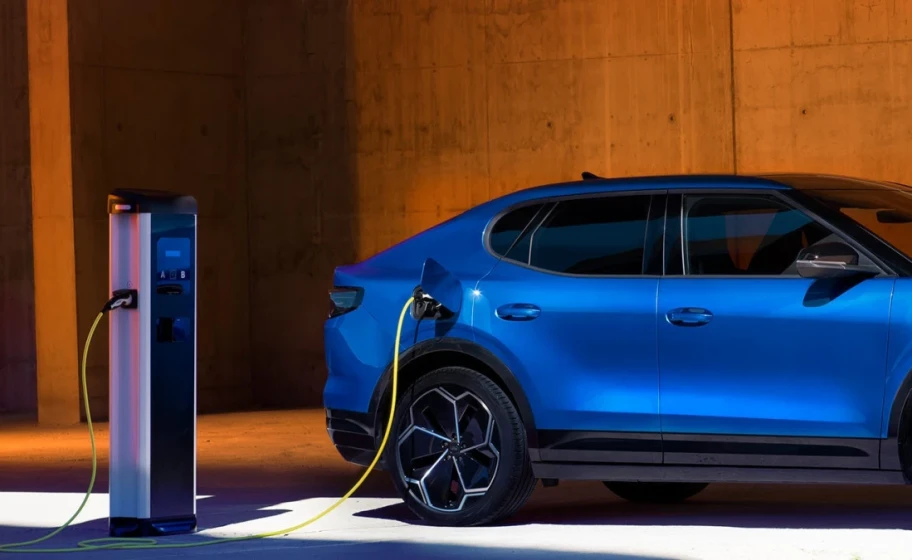
What makes the CCS2 connector so important for UK electric vehicle drivers and dealerships in 2026? The CCS2 connector is the main standard for charging electric vehicles across the UK. It makes charging quicker, easier and more reliable for everyone, whether you are a driver, a dealership, or a fleet operator. Find out how it shapes your EV experience below.
The CCS2 connector is now the gold standard for charging electric vehicles in the UK. It is designed to make life easier for drivers, dealerships and anyone thinking about making the switch to electric.
In this guide, we will explain what the CCS2 connector is, why it matters, how fast it can charge your car, and what features make it stand out. You will also find practical tips and examples to help you get the most from your EV experience.
Expert Opinion: The CCS2 connector is a cornerstone of the UK’s electric vehicle landscape. Its universal design means drivers can use most public chargers with confidence, and dealerships can offer a seamless experience to customers. As charging speeds increase and features like Plug & Charge and bidirectional charging become mainstream, the Combined Charging System 2 is not just about convenience—it is about future-proofing mobility. For anyone considering an EV or working in the industry, understanding the CCS2 plug is essential for making informed choices and staying ahead in the rapidly evolving market.
What is the CCS2 connector and why does it matter in the UK?
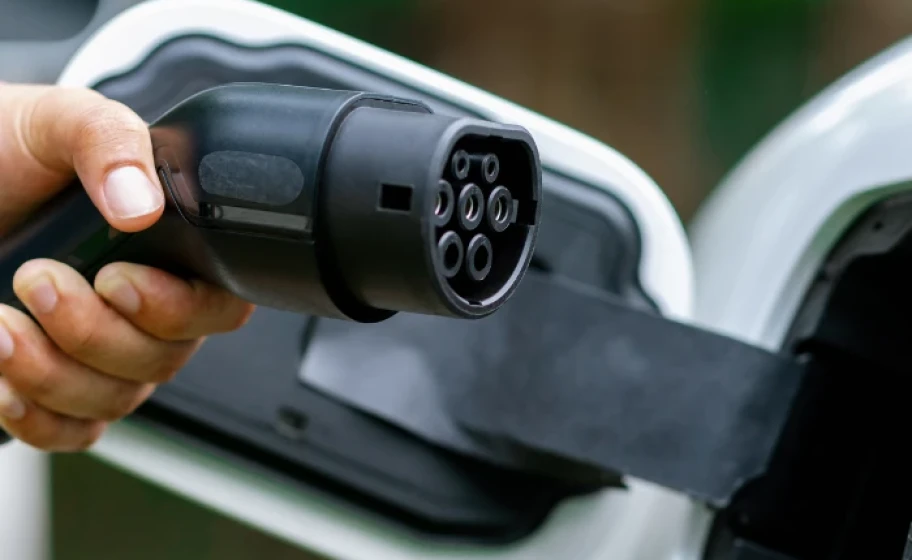
How CCS2 combines Type 2 AC and DC pins
The CCS2 connector, also called the Combined Charging System 2 or CCS Type 2, is the main plug for charging electric vehicles in the UK and Europe. It combines a Type 2 plug for regular AC charging with two extra pins for fast DC charging. This means you only need one socket on your car for both slow and rapid charging.
This standardisation is important because it lets drivers use most public charging stations, no matter which manufacturer made their car. It helps remove confusion, so you can charge with confidence anywhere you go.
Which manufacturers and models use it
Most new electric vehicles sold in the UK now use the CCS2 connector. A wide range of manufacturers have adopted it, making it the default choice for both drivers and dealerships. This means you are unlikely to run into compatibility issues at public charge points.
Key facts (as of July 2026):
- CCS2 is the required standard for new rapid chargers in the UK and Europe
- Nearly all new EVs from major brands feature a CCS2 socket
- Public charging networks are built around this standard
Practical recommendations:
If you are buying an EV, check that it has a CCS2 plug—most do.
Use charge-point locator apps to find compatible chargers near you.
Dealerships should train staff to explain CCS2 compatibility clearly to customers.
How fast can CCS2 charge my EV?
Charging power levels and typical times
The CCS2 connector is designed for both slow and ultra-rapid charging. You can use it for overnight home charging (AC) or get a quick boost at a public charger (DC). The real advantage is how much time you save at rapid charge points.
Quick specs (as of July 2026):
- Max DC charging power: up to 350kW
- Typical rapid charger: 50kW to 150kW
- Typical miles added in 30 minutes: 100–150 miles (50kW), up to 300 miles (350kW)
- Number of rapid/ultra-rapid chargers: 29,246
- Government target for charge points by 2030: 300,000
Charger Type | Power (kW) | Time to add 100 miles | Miles added per 30 min |
Home AC (slow) | 3.7–7 | 5–8 hours | 10–20 |
Public AC (fast) | 22 | 2–3 hours | 40–60 |
Rapid DC | 50–150 | 30–45 min | 100–200 |
Ultra-rapid DC | 350 | 10–20 min | 300+ |
Example: Typical CCS2 charging rates
Vehicle Example | Max CCS2 DC Rate | 30-min top-up (miles) |
Recent EV Model 1 | 120kW | 150 |
Recent EV Model 2 | 220kW | 200 |
Recent EV Model 3 | 350kW | 300 |
Example cost: A rapid 30-minute top-up at a public charger might cost around £15–£20, depending on provider and tariff.
Practical recommendations:
For long trips, plan stops at rapid or ultra-rapid CCS2 chargers.
Ask your dealership for a demo of fast charging in action.
Fleet operators can reduce downtime by using high-power CCS2 charge points at depots.
How widespread are public EV chargers across the UK?
UK charger counts and government targets
The UK’s public charging network has grown quickly, making it easier to find a CCS2-compatible charger almost anywhere. The government is investing heavily to expand both rapid and destination charging.
UK charging infrastructure (as of July 2026):
- Total public chargers: 122,724
- Locations: 47,441
- Rapid or ultra-rapid chargers: 29,246
- Government target by 2030: 300,000 public charge points
This growth means fewer worries about running out of charge, even for drivers without home charging.
Practical recommendations:
Use third-party charge-finder apps to check real-time charger availability.
If you are a dealership, help customers find local CCS2 charge points.
Fleet operators should map out high-speed charging hubs for efficient operations.
How should dealerships adapt to rising EV adoption?
Examples of dealership use and staff training
As more drivers choose electric, dealerships play a key role in supporting them. Sales teams need to know how CCS2 works and explain it in simple terms. Aftersales staff must be ready to answer questions about charging, maintenance, and software updates.
A typical day at a dealership might include showing a customer how to plug in at a rapid charger, or explaining how much range they will get from a quick top-up. Technicians will check charging ports during routine servicing and update vehicle software to keep charging features running smoothly.
Training checklist for dealership staff:
- Understand how the CCS2 socket works for both AC and DC charging
- Demonstrate rapid charging to customers
- Advise on public charging networks and home charging options
- Update customers on new features like Plug & Charge
- Maintain and diagnose charging port health
- Stay informed on government incentives for EV buyers
Practical recommendations:
Install CCS2 rapid chargers on-site for customer demos and servicing.
Offer simple guides about public charging for new EV owners.
Keep staff up to date with the latest EV charging developments.
What is Plug & Charge and how does it work?
Real-world Plug & Charge workflows
Plug & Charge is a feature supported by the CCS2 connector that lets you simply plug in and start charging no cards, apps or codes needed. The car and charger recognise each other automatically, so payment and authentication happen in the background.
From January 2027, all new public chargers in the UK must support Plug & Charge. This makes charging as easy as filling up with petrol, removing a common frustration for new EV drivers.
How Plug & Charge works:
Plug your car into a compatible CCS2 charger
The car and charger communicate securely
Charging starts automatically, and payment is handled for you
Practical recommendations:
Ask your dealership if your car supports Plug & Charge.
Look for Plug & Charge-ready chargers when planning journeys.
Enjoy a smoother, faster charging experience—especially useful on busy days or in bad weather.
Can my EV supply power back to my home or the grid?
Vehicles supporting bidirectional charging
Some recent EV models with a CCS2 socket can send power back to your home (V2H), to the grid (V2G), or to appliances (V2L). This is called bidirectional charging and it is a growing trend in the UK.
Bidirectional charging turns your EV into a mobile battery, letting you store energy when electricity is cheap and use it when prices rise, or even help stabilise the grid. It can also provide backup power during outages.
Example bidirectional features (2026):
- Vehicle-to-Grid (V2G): Send energy from car to grid
- Vehicle-to-Home (V2H): Power your home from your car
- Vehicle-to-Load (V2L): Run appliances or tools from your car
Practical recommendations:
Check if your EV supports bidirectional charging—ask your dealership for details.
Consider V2G or V2H features if you want to save on energy bills or add backup power.
Fleet operators can use V2G to support grid stability and reduce costs.
Ready to charge ahead with Sandicliffe?
The CCS2 connector makes driving and charging an electric vehicle in the UK easier than ever. Whether you want to try rapid charging, explore Plug & Charge, or learn about bidirectional features, Sandicliffe is here to help. Visit our online store today to discover the latest EVs and get expert advice on making the switch to electric.
Frequently Asked Questions
Which cars use the CCS2 connector? Most new electric vehicles sold in the UK use the CCS2 connector as standard. This includes a wide range of models from nearly all major manufacturers.
Is CCS2 compatible with Tesla in the UK? Yes, Tesla vehicles sold in the UK and Europe use the CCS2 connector, so you can charge at most public rapid chargers.
How long does a CCS2 rapid charge take in miles? A typical rapid CCS2 charger (50kW) can add about 100–150 miles of range in 30 minutes. Ultra-rapid chargers (up to 350kW) can add up to 300 miles in 20 minutes, depending on your car.
What is Plug & Charge and do I need an app? Plug & Charge lets you start charging by simply plugging in—no app or card needed. Your car and the charger handle authentication and payment automatically.
Can CCS2 support bidirectional charging like V2G? Yes, some recent EV models with a CCS2 socket support bidirectional charging, allowing you to send energy from your car to your home or the grid.
How can dealerships use CCS2 charging to help customers? Dealerships can install CCS2 rapid chargers on-site, offer charging demos, and provide clear advice on public and home charging options. This helps customers feel confident about switching to electric.
Are all public chargers in the UK CCS2 compatible? Most new rapid and ultra-rapid public chargers use the CCS2 standard. Always check the charger type before plugging in.
What is the cost of a typical CCS2 rapid charge? A 30-minute rapid charge usually costs between £15 and £20, depending on the provider and your tariff.
Latest New EV Offers




Latest Approved Used EV's
Audi e-tron
E-tron 300kW 55 Quattro 95kWh 5dr Auto Estate
- 2019
- 58,644 miles
- Electric
- Automatic
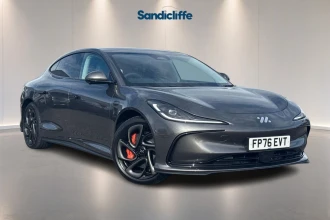
MG MG IM5
Im5 553kW Performance 100kWh 5dr Auto Hatchback
- 2026
- 5,549 miles
- Electric
- Automatic
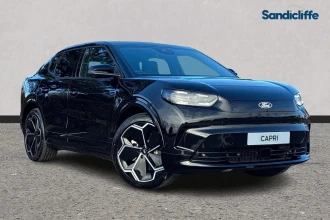
Ford Capri
Capri Premium 5 Door 79kWh Extended Range AWD 1 Speed Automatic
- 2025
- 10,349 miles
- Electric
- Automatic
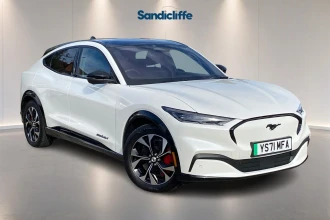
Ford Mustang Mach-E
Mustang Mach-E 88 kWh (98kWh) Extended Range AWD 5dr Auto
- 2022
- 52,445 miles
- Electric
- Automatic
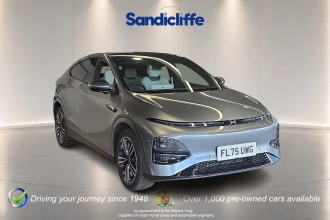
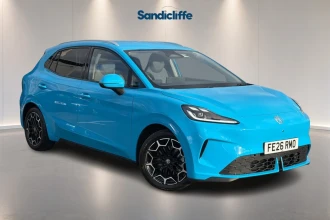
MG MG4 Urban
Mg4 Urban 118kW Premium Long Range 54kWh 5dr Auto Hatchback
- 2026
- 3,415 miles
- Electric
- Automatic