
Car Size Comparison Guide 2026: SUV, Hatchback or Estate?
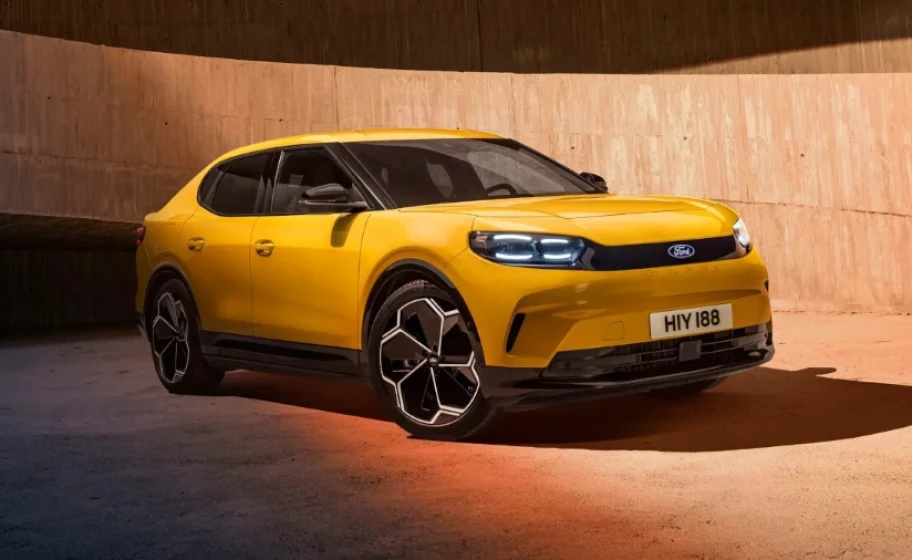
Selecting the appropriate car size is a significant decision for UK motorists in 2026, as it directly influences practicality, running costs, and overall driving comfort. This in-depth comparison of SUVs, hatchbacks, and estates offers detailed technical insights, objective evaluations, and the latest pricing information, equipping you with the knowledge required to make an informed decision tailored to your individual needs. By consulting this guide, you will gain a comprehensive understanding of how each vehicle type performs across key criteria, ensuring you choose the car that best suits your lifestyle and financial considerations.
Exterior Design
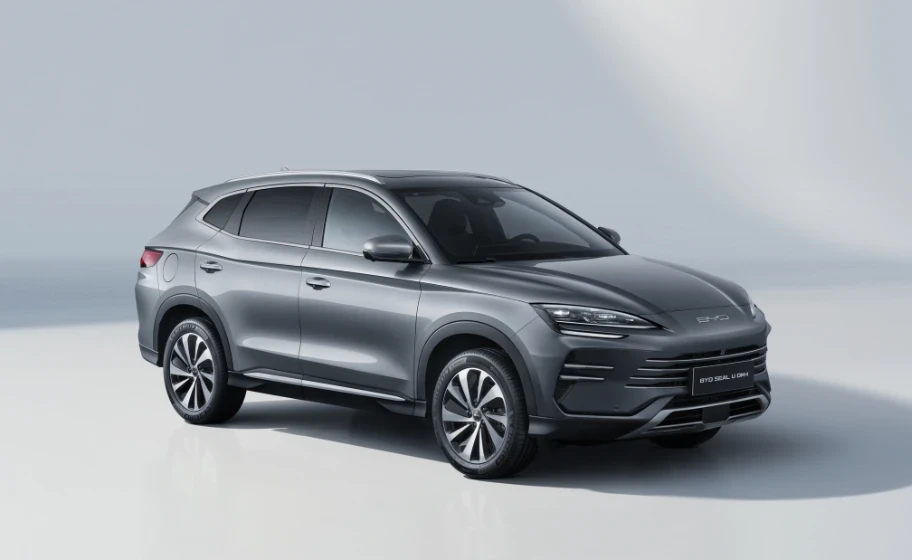
SUVs in 2026 are characterised by bold, futuristic styling, featuring squared-off contours and distinctive LED lighting, as seen in models such as the Geely Starray, which measures 4,740mm in length and boasts a commanding presence on the road. Hatchbacks, on the other hand, focus on compactness and practicality, with streamlined profiles that enhance manoeuvrability in urban settings. The Peugeot 208 and Dacia Sandero exemplify supermini dimensions and a subtle yet contemporary design. Estates, such as the Skoda Superb Estate, present a long, low silhouette, seamlessly blending elegance with practicality. The SEAT Leon Estate, for example, combines a stylish appearance with a utilitarian approach, optimising cargo capacity without compromising on aesthetics.
Interior Design
Contemporary SUVs prioritise comfort and functionality, with models like the BMW iX and Geely EX5 offering premium materials and advanced infotainment systems. Spaciousness and adaptability are central, catering to families and those with active lifestyles. Hatchbacks, including the Volkswagen Golf and Honda Civic, are designed for everyday convenience, featuring ergonomic layouts and ample space for both passengers and luggage within a compact frame. Estates excel in interior practicality, with the Skoda Superb Estate and Mercedes-Benz E-Class Estate providing generous boot space and versatile seating configurations. Higher-end estates often incorporate luxurious materials and state-of-the-art technology, ensuring a sophisticated cabin environment.
Engine and Performance
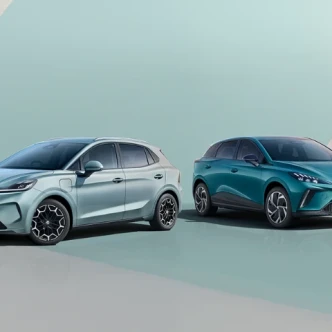
SUVs currently available offer a wide range of powertrains, from efficient 1.2-litre turbocharged petrol engines (such as in the Peugeot 5008) to sophisticated plug-in hybrid systems (like the Toyota RAV4 Hybrid). These vehicles are noted for robust torque and the availability of all-wheel drive, enhancing both traction and versatility. Hatchbacks are offered with petrol, hybrid, and fully electric options; models such as the MG4 EV and Honda Civic Hybrid deliver lively acceleration and agile handling. Estates combine efficient hybrid or plug-in engines with traditional petrol and diesel alternatives. The Skoda Superb Estate and BMW 3 Series Touring strike a balance between performance and refinement, while plug-in variants such as the Mercedes C-Class Estate PHEV provide impressive electric-only ranges, ideal for city commuting.
Fuel Consumption and Efficiency
Fuel efficiency is a major differentiator among these vehicle categories. Petrol SUVs typically return between 45-55mpg, while hybrid SUVs like the Toyota Yaris Cross can achieve over 60mpg, and plug-in models such as the Toyota RAV4 PHEV claim up to 282.5mpg. Hatchbacks are celebrated for their economical running costs, with many models easily surpassing 50mpg in real-world conditions; the Dacia Sandero and Peugeot 208 are particularly efficient choices. Estates, especially plug-in hybrid versions, set new benchmarks for efficiency—the Mercedes C-Class Estate PHEV claims up to 404mpg, and the Volvo V60 PHEV offers up to 54 miles of electric range, making them suitable for both long-distance journeys and city driving.
Price
UK pricing for 2026 reflects the broad spectrum within these segments. Entry-level SUVs such as the Dacia Duster are available from around £18,000, with mid-range options like the Chery Tiggo 8 at £25,895, and premium models such as the BMW X5 starting from £67,069. Hatchbacks present the most accessible entry point, with the Dacia Sandero priced at £14,765, the Peugeot 208 at £17,074, and the Skoda Fabia at £19,459. Electric hatchbacks like the MG4 EV start at £23,745. Estate cars occupy a middle ground, with the SEAT Leon Estate beginning at £26,535, the Skoda Superb Estate at £33,679, and luxury models such as the Mercedes-Benz E-Class Estate from £59,720. Pricing is influenced by trim levels, powertrains, and optional extras.
Driving Experience
SUVs are engineered for comfort and adaptability, featuring elevated driving positions, smooth ride quality, and advanced driver assistance technologies. The BMW X5 is recognised for its dynamic handling, while the Honda CR-V Hybrid delivers a quiet and composed ride. Hatchbacks, such as the MG4 and MG3, are noted for their nimble handling, making them ideal for urban environments, with responsive steering and compact dimensions aiding manoeuvrability. Estates typically offer improved driving dynamics over SUVs, owing to a lower centre of gravity and reduced weight. The BMW 3 Series Touring is a prime example of a model that combines comfort with engaging handling, while the Skoda Superb Estate is renowned for its motorway comfort and long-distance cruising capability.
Customer Reviews and Ratings
Customer feedback underscores the popularity and dependability of each segment. SUVs like the Kia Sportage and Nissan Qashqai are lauded for their practicality and versatility, making them popular choices for UK families. Hatchbacks such as the Volkswagen Golf and Honda Civic are well-regarded for their reliability, efficiency, and enjoyable driving experience. Estates, particularly the Skoda Superb Estate, receive high praise for practicality, comfort, and value for money. The BMW 3 Series Touring and Mercedes-Benz E-Class Estate are commended for their premium features and refined driving characteristics, appealing to both private and business motorists.
Final verdict: SUV, Hatchback or Estate?
To summarise, each vehicle category presents unique strengths: SUVs offer versatility and an elevated driving position, hatchbacks stand out for affordability and urban practicality, while estates provide exceptional cargo space and refined driving dynamics. For the typical UK motorist seeking a harmonious blend of practicality, efficiency, and value, the estate car stands out as the most comprehensive option in 2026. Nonetheless, individual requirements will differ, and it is advisable to contact the Sandicliffe team for expert advice tailored to your specific needs, ensuring you select the perfect vehicle for your lifestyle and budget. "









Approved Used Vehicles
Ford Puma
Puma Gen-E Premium 5 Door 46.8 kWh Standard Range 1 Speed Automatic
- 2026
- 1,395 miles
- Electric
- Automatic
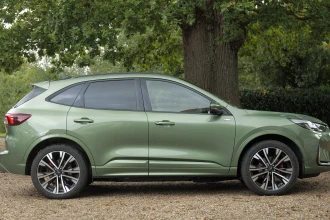
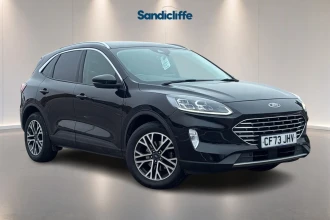
Ford Kuga
Kuga ST-Line X 5 door 2.5L Duratec PHEV 243PS FWD CVT Automatic
- 2026
- 1,634 miles
- Automatic
Kia Stonic
Stonic 1.0T GDi 99 2 5dr Estate
- 2023
- 32,888 miles
- Petrol
- Manual
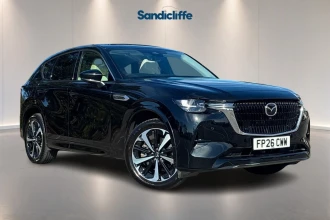
Mazda CX-60
Cx-60 2.5 PHEV Takumi Plus 5dr Auto Estate
- 2026
- 7,001 miles
- Automatic
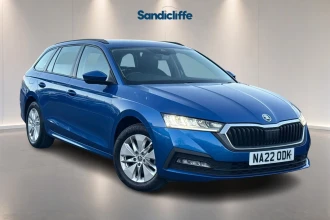
Skoda Octavia
Octavia 1.0 TSI e-TEC SE 5dr DSG Estate
- 2022
- 53,404 miles
- Petrol
- Automatic