
Car size comparative: how big is your next car?
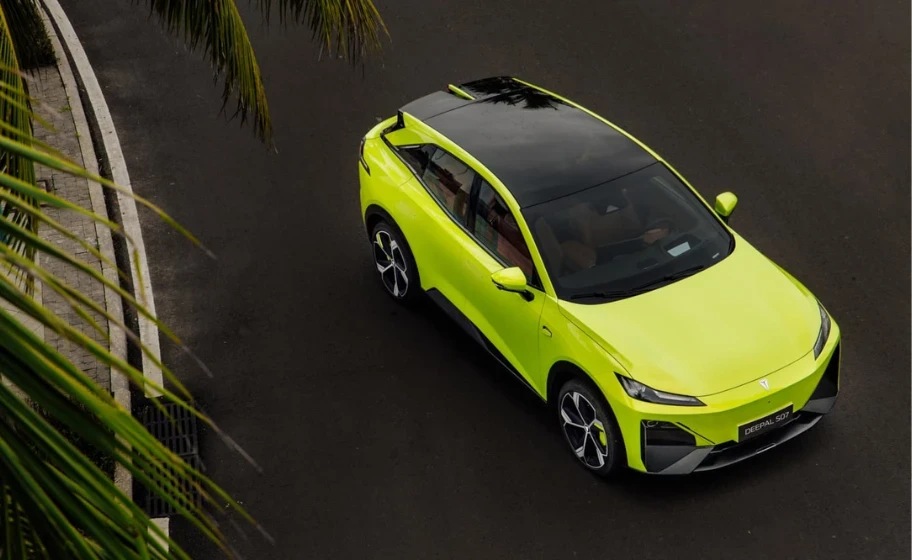
A car-size comparison tool shows differences in length, boot space and interior room side by side. It helps you match cars to your needs, whether you want something city-friendly or spacious for family trips.
With so many options (compact hatchbacks, roomy SUVs and practical estates), a tool that compares boot space, interior room and dimensions saves time. This guide explains how to use one, outlines the main car categories and gives tips for finding the right fit. Whether you drive in the city or plan family trips, it shows how size affects comfort, running costs and everyday use.
Whichever car you shortlist, check the key measurements and try it in person. Bring what you usually carry, such as child seats or shopping bags, to see whether the car works for you.
What are the main car size categories?
How manufacturers define superminis, family cars and estates
Car sizes are usually grouped into superminis (small hatchbacks), family cars (medium hatchbacks or saloons), estates (longer, with bigger boots), SUVs (sport utility vehicles) and vans. Superminis suit city commuting and easy parking. Family cars and estates offer more space for passengers and luggage, which makes them popular for families and longer trips. SUVs and vans add more room and flexibility.
Key dimensions to check when comparing models
When you compare cars, focus on these measurements:
Overall length (how much space it takes up)
Width (important for tight parking spots)
Height (affects headroom and visibility)
Boot capacity (how much you can fit in the back)
Kerb weight (the car's weight without passengers or cargo, shown in pounds)
How much boot space do I need?
Boot space matters if you travel with family, pets or lots of gear. Estates and SUVs usually offer the most, but some hatchbacks are roomy too. Think about what you carry most: prams, sports kit or shopping. For family holidays, aim for at least 400-600 litres (14-21 cu ft) of boot space. If you often move bulky items, check whether the seats fold flat and how easy it is to load.
Why are SUVs so popular in the UK?
Compact SUVs vs mid-size SUVs: what to expect
SUVs have become a common sight on UK roads in recent years. By 2025, more than half of new-car registrations were forecast to be SUVs. Compact SUVs are popular because they combine a higher driving position with easier parking and better fuel economy. Mid-size SUVs give more space but can be trickier in tight spots.
Safety perceptions and real-world visibility
Many people choose SUVs for their sense of safety and better view of the road. The high seats and sturdy build feel reassuring. Always check safety ratings, though: some smaller cars score just as well, and bigger does not always mean safer.
When should you choose a compact car for urban living?
Cost and running expenses for smaller cars
If you live in a city, a compact car or supermini is often the practical choice. These cars are easier to park, use less fuel and are usually cheaper to buy and run, which suits first-time buyers and anyone on a budget.
Compliance with clean air zones and city rules
Many cities now have clean air zones. Smaller cars often produce fewer emissions and cost less to tax, which can help you avoid extra charges if you drive into town regularly.
How are electric vehicles changing car size and space?
Flat battery platforms and interior benefits
Many electric vehicles (EVs) use a flat battery under the floor, which gives more cabin room and a flat floor. That means more space inside, even if the car looks small on the outside.
EV examples: interior space vs external footprint
As of 2026, there were more than 2.28 million battery-electric vehicles on UK roads. Many popular electric models have interiors that rival larger petrol cars, so you get a roomy cabin without needing a bigger parking space. EVs also tend to have good boot space and flexible seating.
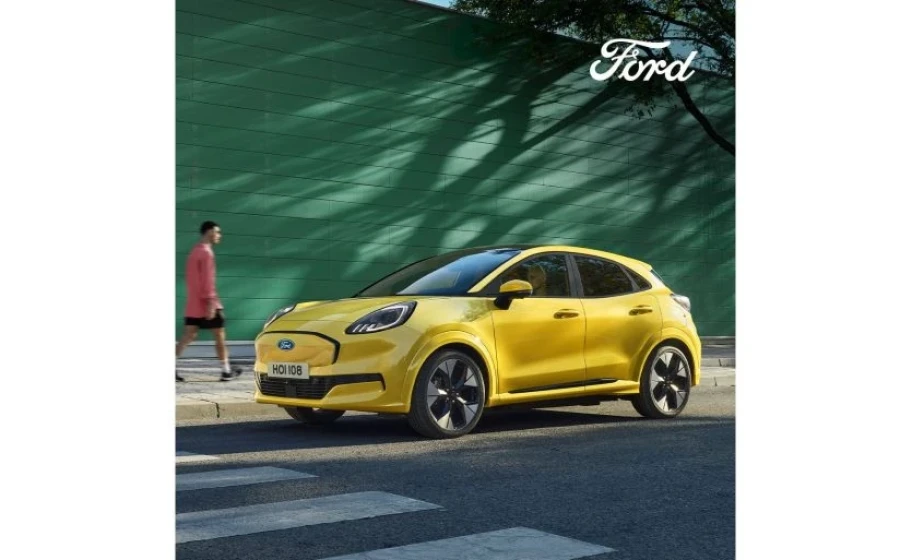
How do I choose the right car size for my lifestyle?
Checklist: daily needs, passengers and cargo
Think about how you use your car each day:
How many people do you carry most often?
Do you need space for prams, bikes or pets?
How much shopping or luggage do you usually have?
Will you park on the street, in a garage or on a drive?
Do you drive mainly in town or on motorways?
If you are choosing between a compact SUV and an estate, the estate usually has more boot space for prams and sports kit, while the SUV can be easier to park at the school gates.
Test drive tips to check comfort and handling
Always take a test drive. Try parking, check rear legroom and see if the boot fits your usual bags. Bring child seats or anything bulky. Make sure you feel comfortable and can see clearly from the driver's seat.
How to read dimensions
When looking at car specs, focus on:
Overall length: will it fit in your garage or drive?
Width: is there space to open doors in your parking spot?
Boot capacity: will your regular luggage or kit fit?
For example:
A car 14 ft long and 6 ft wide fits most city parking spaces.
Boot space of 450 litres (16 cu ft) suits most families.
Kerb weight of 2,800 lbs is typical for a compact hatchback.
Step-by-step checklist for choosing and testing cars
Measure your garage or drive before shopping.
Bring car seats or child seats to test fit.
Load typical luggage to check boot practicality.
Check kerb weight in lbs and EV range in miles.
How do I use a car-size comparison tool to compare models?
A car-size comparison tool (or vehicle dimension comparator) shows key specs side by side. To use one:
Enter the models you want to compare.
Check the main fields: overall length, width, height, boot capacity, kerb weight (lbs), and fuel economy or EV range (miles).
Look for differences that matter to you, like boot space or cabin room.
Use the results to shortlist cars that fit your lifestyle and parking needs.
Example comparison table
Type | Example Model | Length (ft) / (m) | Boot Capacity (litres/cu ft) | Kerb Weight (lbs) | Fuel Economy / EV Range (miles) |
Supermini | Compact Hatchback | 13.5 (4.1) | 300 (10.6) | 2,600 | 55 mpg |
Family Hatchback | Medium Hatchback | 14.3 (4.35) | 380 (13.4) | 2,900 | 50 mpg |
Compact SUV | Small Crossover | 14.7 (4.48) | 410 (14.5) | 3,200 | 48 mpg |
Mid-size SUV | Family SUV | 15.7 (4.8) | 550 (19.4) | 3,800 | 42 mpg |
Estate | Practical Estate | 15.9 (4.85) | 640 (22.6) | 3,300 | 47 mpg |
Electric Hatch | Typical EV Hatchback | 14.1 (4.3) | 385 (13.6) | 3,400 | 220 miles (EV range) |
Use this table as a starting point to see how different types compare.
Find the right car size with Sandicliffe
Use a car-size comparison tool to weigh up your options, then test drive your shortlist. Explore Sandicliffe's range to find the right size for your needs.
Frequently asked questions
What is a car size comparative tool?
A car size comparative tool lets you compare model dimensions, boot capacity, kerb weight and range to see which car fits your needs.
Which dimensions should I check first?
Check overall length, width, height, boot capacity and kerb weight to judge parking, cabin space and load ability.
How much boot space do I need for family trips?
For family trips aim for 400-600 litres or larger; for frequent large loads consider estate or SUV sizes.
Should I choose an SUV for safety?
SUVs offer higher seating and good visibility, but compare safety ratings and handling rather than assuming all SUVs are safer.
Do EVs offer more interior space?
Many EVs use flat batteries to free interior space, often giving more cabin room without a bigger external footprint.
How should I test drive to check car size?
Test parking, seat comfort, rear legroom and boot loading; bring typical items you carry to test real-world fit.
Latest Offers










Approved Used Stock
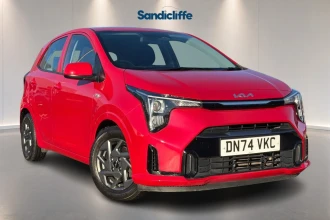
Kia Picanto
Picanto 1.0 2 5dr Hatchback
- 2024
- 14,081 miles
- Petrol
- Manual
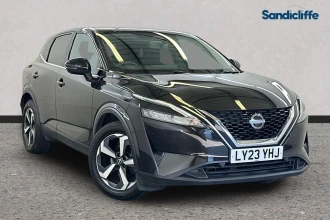
Nissan Qashqai
Qashqai 1.3 DiG-T MH 158 N-Connecta 5dr Xtronic Hatchback
- 2023
- 38,021 miles
- Petrol
- Automatic
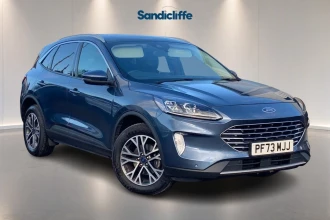
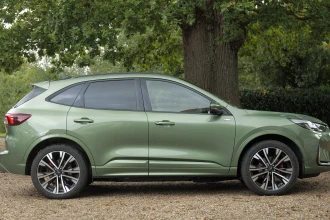
Ford Kuga
Kuga ST-Line X 5 door 2.5L Duratec PHEV 243PS FWD CVT Automatic
- 2026
- 1,634 miles
- Automatic
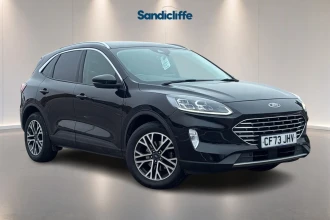
Kia Stonic
Stonic 1.0T GDi 99 2 5dr Estate
- 2023
- 32,888 miles
- Petrol
- Manual
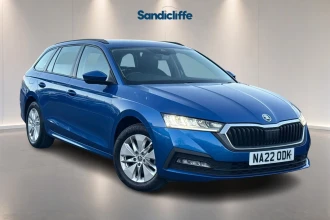
Skoda Octavia
Octavia 1.0 TSI e-TEC SE 5dr DSG Estate
- 2022
- 53,404 miles
- Petrol
- Automatic