
Car Loan Refinancing in the UK: When It Makes Sense and How It Works

Is refinancing car loan a good way to lower my payments in the UK? Refinancing a car loan can help you reduce your monthly payments or total interest, especially if your credit score improves or interest rates drop. Learn how to decide if it is right for you and how to compare offers.
If you are wondering how to make your car payments more manageable, refinancing car loan could be the answer. This guide explains when refinancing car loan makes sense and how to do it step by step. We will show you how to compare offers, what to check before you apply, and how much you could save. Whether you want lower monthly payments or need help with a balloon payment, we have practical tips and examples for you.
Expert Opinion: Refinancing a car loan can make a real difference for drivers looking to manage their finances better. By switching to a new deal with a lower interest rate or longer term, you could see your monthly payments drop and make your budget more comfortable. It is important to check the numbers, read the small print, and consider the total cost over the loan’s life. Many drivers are surprised by how much they can save, especially if their circumstances have changed since they first took out their loan. Always compare offers and ask questions before making a decision.
What is refinancing car loan?
How refinancing works
Refinancing a car loan means replacing your current agreement with a new one, usually with better terms. You take out a new loan to pay off what you owe on your car, and then make payments to the new lender.
Here is a simple checklist for how car refinance works:
Get a settlement figure from your current lender.
Compare new loan offers and choose the best one.
Apply for the new loan and provide required documents.
If approved, the new lender pays off your old loan.
Start making payments to your new lender.
Benefits for drivers
Car loan refinancing can help you:
- Lower your monthly payment
- Reduce total interest paid
- Avoid a large balloon payment at the end of a PCP agreement
Market snapshot
Auto loan refinancing is becoming more popular in the UK. In 2025, the number of drivers refinancing their car finance jumped by nearly 70 per cent. Experian data shows some drivers saved about £924 a year by switching to a lower rate.
When should I refinance my car loan?
When your credit score improves
If your credit score has gone up since you took out your original loan, you might qualify for a better rate. Car finance refinancing can help you get a lower monthly payment or pay less interest overall.
When interest rates fall
If market rates drop, it is a good time to check if you can get a better deal. For example, if you started with 15 per cent APR and now lenders offer 7 per cent, you could save a lot by switching.
When monthly payments are unaffordable
If you are struggling to keep up with payments, refinancing a car loan could help. By spreading the loan over a longer term, your monthly payment goes down. Tom, for example, refinanced and reduced his payment by £55 a month, making things less stressful at home.
How does refinancing a car loan work?
Step-by-step process
Here is how auto refinance usually works:
Check your current loan details and get a settlement figure.
Shop around and compare lender rates.
Apply for a new loan online or in person.
The new lender pays off your old loan.
You start making payments to the new lender.
Checking eligibility and rates
Some banks and lenders offer options for existing customers to switch their car finance, which can make the process smoother. Always check your eligibility, as lenders may look at your credit score, car age, and mileage.
Online and instant approvals
Many lenders now offer online applications and quick decisions. You will usually need:
- Proof of income (payslips or bank statements)
- Proof of address
- Car details (mileage, registration)
- Settlement figure from your old loan
Most online approvals take less than 24 hours if you have your documents ready.

What should I check before refinancing?
- Early repayment fees: Some loans charge a fee if you pay off your balance early.
- Negative equity: If your car is worth less than what you owe, refinancing can be tricky.
- Administrative and hidden charges: Watch for extra fees on the new loan.
- Term trade-offs: A longer loan term lowers monthly payments but may increase total interest.
Can I refinance an electric vehicle?
EV refinancing options
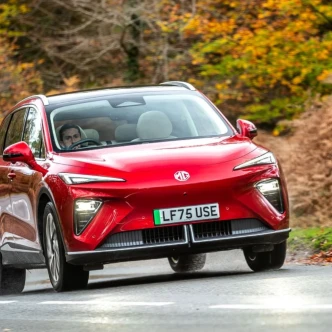
Car refinance is available for electric vehicles (EVs) as well as petrol and diesel cars. As more drivers switch to EVs, lenders are offering more options.
Government support and PCP balloon payments
The UK government supports EV ownership, and refinancing can help you keep your EV at the end of a PCP deal by spreading the balloon payment into smaller monthly amounts.
Practical EV example
Imagine you owe a £7,000 balloon payment on your EV after a PCP agreement. By refinancing over 24 months at 8 per cent APR, your payment could be about £316 a month, making it easier to keep your car and stay green. Sarah used this approach to keep her EV and still afford her family’s summer holiday.
What you can save by refinancing
Let’s see a quick comparison of how much you could save by switching to a lower rate:
Original Loan | After Refinance | |
APR | 15% | 7% |
Loan Term | 48 months | 48 months |
Monthly Payment | £275 | £220 |
Total Interest | £2,200 | £1,000 |
In this example, refinancing saves £55 per month and £1,200 in total interest.
How to compare offers
When looking at auto loan refinancing, check:
- APR (interest rate)
- Fees (admin or early repayment)
- Term length (months or years)
- Total cost (add up all payments and fees)
For example, if you refinance a £9,000 balance at 7 per cent APR over 36 months, your monthly payment is about £278. Always compare the total you will pay, not just the monthly amount.
Ready to make your car payments easier?
If you want to lower your monthly payments or manage a balloon payment, car loan refinancing could be the right move. Check your options with Sandicliffe’s online store and see how much you could save today.
Frequently Asked Questions
What is refinancing a car loan and how does it work? Refinancing a car loan means replacing your current loan with a new one, usually at a better rate or term. The new lender pays off your old loan, and you pay the new lender instead.
When should I consider refinancing my car loan? Consider refinancing if your credit score has improved, interest rates have dropped, or your monthly payments are too high for your budget.
Will refinancing hurt my credit score? Applying for refinancing may cause a small, temporary dip in your credit score, but regular payments on the new loan can help it recover.
How much could I save by refinancing? Savings depend on your new rate and loan term, but many drivers save between £30 and £80 a month or more over the life of the loan.
Can I refinance if I have negative equity? It is possible, but options may be limited and rates could be higher. Some lenders specialise in negative equity cases.
How do I refinance a PCP balloon payment? You can take out a new loan to cover the balloon payment at the end of your PCP deal, spreading the cost over several months to make it more affordable.
Latest New Car Offers at Sandicliffe










Sandicliffe Approved Used Cars

Ford Puma
Puma Gen-E Premium 5 Door 46.8 kWh Standard Range 1 Speed Automatic
- 2026
- 1,395 miles
- Electric
- Automatic

Ford Kuga
Kuga ST-Line X 5 door 2.5L Duratec PHEV 243PS FWD CVT Automatic
- 2026
- 1,634 miles
- Automatic
Kia Stonic
Stonic 1.0T GDi 99 2 5dr Estate
- 2023
- 32,888 miles
- Petrol
- Manual

Mazda CX-60
Cx-60 2.5 PHEV Takumi Plus 5dr Auto Estate
- 2026
- 7,001 miles
- Automatic


Skoda Octavia
Octavia 1.0 TSI e-TEC SE 5dr DSG Estate
- 2022
- 53,404 miles
- Petrol
- Automatic