
Best Electric Mid-Size SUVs You Can Buy In The UK
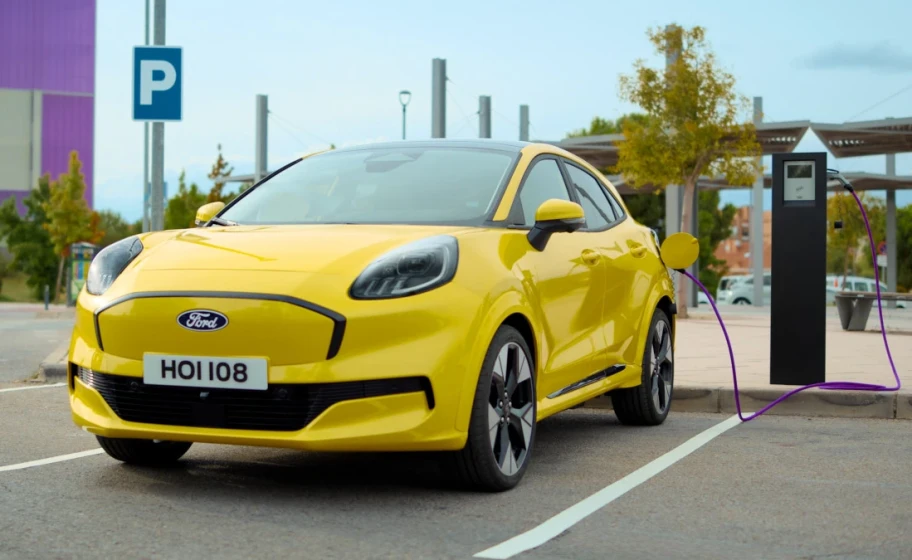
Choosing an electric mid-size SUV means balancing efficiency, practicality and technology. This comparison covers the leading models available in the UK, with technical specifications and real-world usability for each, so you can match the strengths and weaknesses of each vehicle to your requirements and budget.
Comparison table of the best battery electric mid-sized crossovers
Model | Key Benefits | Average Score | Average Price |
Impressive driving range, advanced technology, swift charging | 8.8/10 | £51,990 | |
Ultra-rapid charging, spacious cabin | 8.5/10 | £53,250 | |
Sporty handling, fast charging, contemporary styling | 8.6/10 | £52,800 | |
Versatile, comfortable, generous boot space | 8.3/10 | £46,220 | |
Premium finish, long driving range, strong performance | 8.7/10 | £58,950 |
Leading battery-powered mid-sized crossovers on the market
Each of the five battery-electric mid-sized crossovers below is examined for engineering strengths, efficiency and suitability for different uses.
Tesla Model Y
The Tesla Model Y focuses on efficiency and connectivity, with a minimalist design and most controls on a large central touchscreen. Its WLTP range is up to 378 miles (Long Range RWD), and access to Tesla's Supercharger network makes long-distance charging straightforward. The touchscreen also gives access to the driver-assistance systems.
Advantages:
Efficient powertrain with a WLTP range of up to 378 miles.
Access to Tesla's Supercharger network for dependable, high-speed charging.
Comprehensive driver-assistance features included as standard.
Spacious boot (854 litres) and panoramic glass roof.
Disadvantages:
Firm suspension, particularly noticeable on uneven British roads.
Heavy reliance on touchscreen controls may distract some motorists.
Minimalist interior may not suit all tastes.
Higher-specification versions are relatively costly.
Hyundai IONIQ 5
The Hyundai IONIQ 5 has an 800V electrical system that supports ultra-fast DC charging (up to 260kW). Its retro-futuristic exterior is matched by a roomy, modular interior with a flat floor and adaptable seating. WLTP range is up to 354 miles (84kWh battery), which suits both city and long-distance travel.
Advantages:
800V charging enables 10-80% charge in roughly 18 minutes.
Spacious and flexible interior with sliding rear seats and flat floor.
Distinctive styling with pixel-inspired lighting details.
Wide selection of powertrains, including high-performance versions.
Disadvantages:
Ride can feel unsettled at low speeds.
Some cabin materials lack the premium feel of certain competitors.
Body control is less precise than in sportier alternatives.
Exterior design may not appeal to everyone.
Kia EV6
The Kia EV6 shares its platform with the IONIQ 5 but has a sportier character, with dynamic handling and a coupé-inspired silhouette. It has 800V rapid-charging capability (up to 258kW) and a selection of powertrains, including a high-performance GT version. WLTP range is up to 361 miles (Air RWD).
Advantages:
Rapid charging, reaching 10-80% in approximately 18 minutes.
Enjoyable driving experience with agile handling.
Broad range of outputs, including a 650hp GT variant.
Contemporary, sporty exterior design with advanced lighting.
Disadvantages:
Firmer suspension may compromise comfort on rougher roads.
Coupé-style rear limits rearward visibility.
Boot space (480–490 litres) is less generous than some rivals.
Higher trim levels come at a premium.
Skoda Enyaq
The Skoda Enyaq is built around practicality and comfort, with a roomy cabin and a boot of up to 585 litres. It focuses on ride comfort and everyday convenience, which suits families. WLTP range is up to 373 miles (85 variant), and the infotainment system is intuitive, although some controls are touchscreen-based.
Advantages:
Spacious and practical interior with ample boot space.
Comfortable ride, suited to long journeys and varied road conditions.
Competitive WLTP range and efficient powertrain options.
Robust build quality and understated styling.
Disadvantages:
Less engaging to drive than sportier competitors.
Certain controls are accessed via the touchscreen, which may affect usability.
Lower power output in entry-level models.
Lacks some of the advanced driver-assistance technologies found in rivals.
BMW iX3
The BMW iX3 combines BMW build quality with electric drive technology. WLTP range is up to 495 miles (iX3 50 xDrive), with rapid charging of up to 400kW DC. The interior has a premium finish and the latest BMW infotainment and driver-assistance systems.
Advantages:
WLTP range of up to 495 miles, particularly in higher-spec versions.
High-quality interior materials and sophisticated technology integration.
Strong performance and refined handling characteristics.
Fast DC charging capability (up to 400kW).
Disadvantages:
Higher entry price than some competitors.
Ride comfort is less cushioned than in some alternatives.
Some infotainment controls may require acclimatisation.
Boot space (510 litres) is average for this class.
Which is the best electric mid-size SUV?
The five models suit different priorities. The BMW iX3 has the longest WLTP range and the Tesla Model Y has access to the Supercharger network. The Hyundai IONIQ 5 and Kia EV6 offer ultra-fast charging and modern design. The Skoda Enyaq stands out for practicality and comfort, and the BMW iX3 for premium quality. For advice on choosing the right electric SUV, the Sandicliffe team can help.
Latest EV Offers




Approved Used EV's
Renault Megane E-Tech
Megane E-tech EV60 160kW Techno 60kWh Optimum Charge 5dr Auto Hatchback
- 2023
- 53,179 miles
- Electric
- Automatic
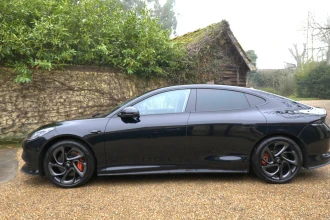
MG MG IM5
Im5 553kW Performance 100kWh 5dr Auto Hatchback
- 2026
- 6,500 miles
- Electric
- Automatic

Changan Deepal S05
Deepal S05 320kW Max 69kWh AWD 5dr Auto Estate
- 2026
- 6,400 miles
- Electric
- Automatic
Ford Explorer
Explorer EV Premium 5 Door 77kWh Extended Range RWD 1 Speed Automatic
- 2025
- 6,890 miles
- Electric
- Automatic
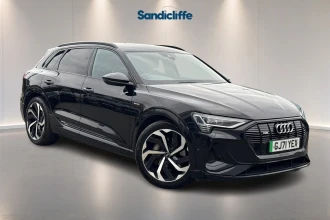
Audi e-tron
E-tron 300kW 55 Quattro 95kWh Black Edition 5dr Auto Estate
- 2021
- 35,473 miles
- Electric
- Automatic
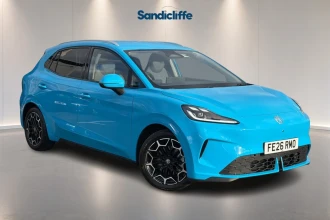
MG MG4 Urban
Mg4 Urban 118kW Premium Long Range 54kWh 5dr Auto Hatchback
- 2026
- 3,415 miles
- Electric
- Automatic